Blog
Ecommerce Growth Strategy Blueprint

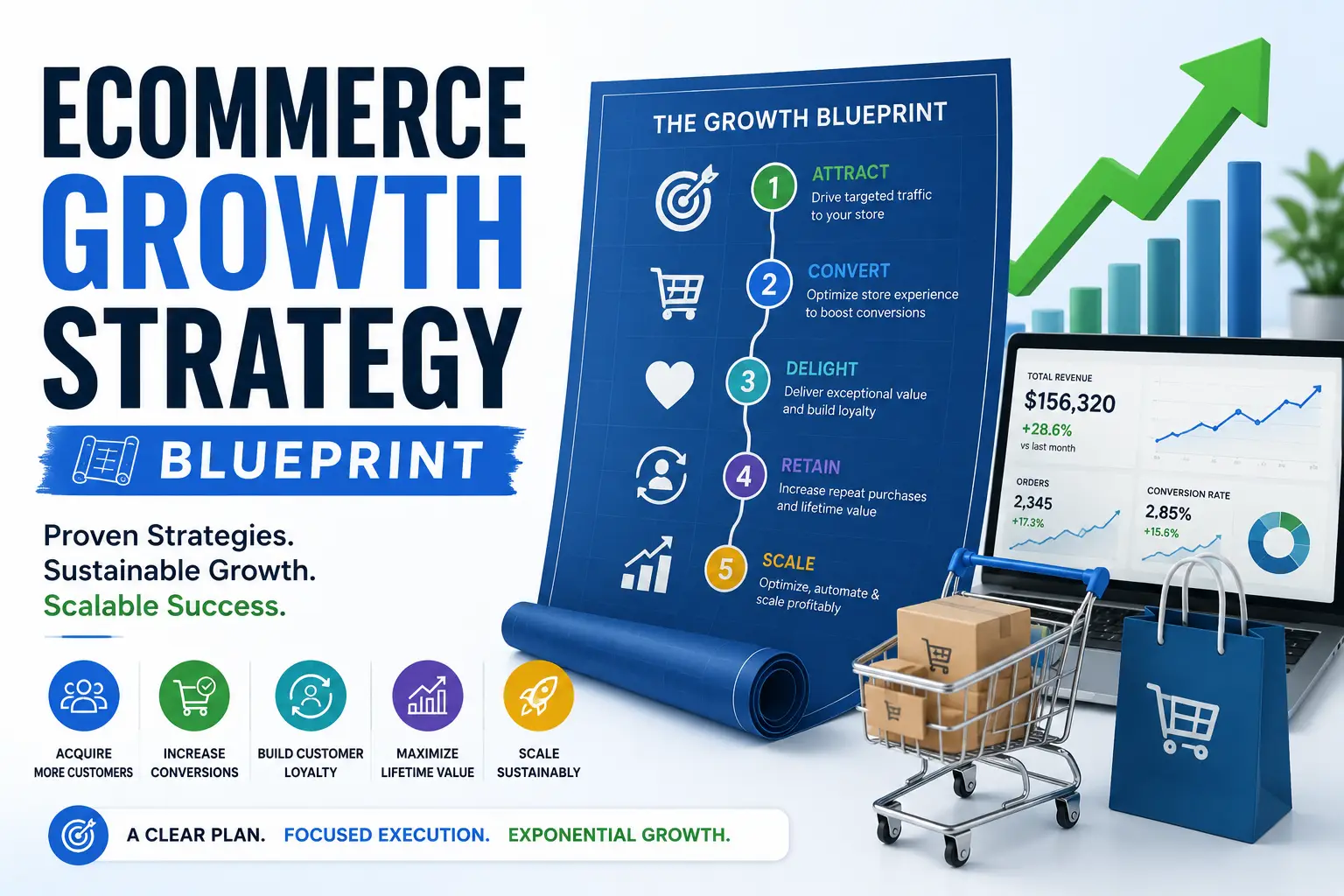
Introduction to Ecommerce Growth Strategy Blueprint
Ecommerce has evolved from a simple online selling model into a highly competitive digital ecosystem where customer experience, operational efficiency, branding, automation, and data-driven decision-making determine long-term success. Businesses that once relied only on paid advertising and occasional discounts now face increasing customer acquisition costs, shifting search engine algorithms, rapidly changing consumer behavior, and intense competition across nearly every industry.
An effective ecommerce growth strategy is no longer optional. It is the foundation that allows brands to scale sustainably, improve profitability, strengthen customer loyalty, and create predictable recurring revenue. Whether a business operates a small niche store or a large enterprise ecommerce platform, growth requires a structured blueprint that aligns marketing, technology, SEO, customer retention, conversion optimization, and analytics into a single scalable framework.
Many ecommerce businesses struggle because they focus only on traffic generation while ignoring critical areas such as conversion optimization, customer lifetime value, website performance, retention systems, product positioning, and operational scalability. A successful growth strategy requires a balanced approach where acquisition, retention, automation, content marketing, and user experience work together.
This comprehensive guide explains the complete ecommerce growth strategy blueprint for modern online businesses. It explores foundational planning, SEO, paid advertising, content marketing, conversion rate optimization, customer retention, subscription models, AI integration, analytics, omnichannel commerce, mobile optimization, and long-term scaling systems that help ecommerce brands compete effectively in 2026 and beyond.
Businesses seeking professional ecommerce website development and SEO solutions can explore the services available at Sri Hayavadhana Solutions.
Understanding Ecommerce Growth Strategy
An ecommerce growth strategy is a structured plan designed to increase online revenue, customer acquisition, customer retention, and overall business scalability. It involves identifying growth opportunities across multiple channels and implementing systems that improve performance consistently over time.
A strong ecommerce growth strategy focuses on several core objectives:
- Increasing organic traffic
- Improving conversion rates
- Reducing cart abandonment
- Enhancing customer retention
- Increasing average order value
- Expanding into new markets
- Improving operational efficiency
- Building brand authority
- Creating recurring revenue streams
Growth strategies should not rely solely on short-term advertising campaigns. Sustainable ecommerce growth requires long-term investment in brand visibility, customer trust, technical infrastructure, and data-driven optimization.
The most successful ecommerce businesses combine multiple growth channels instead of depending entirely on one source of traffic. Brands that rely only on paid ads often face profitability issues when advertising costs rise. Businesses that build SEO authority, email marketing systems, content assets, and customer loyalty programs create more stable long-term growth.
Building a Strong Ecommerce Foundation
Before scaling traffic and marketing efforts, ecommerce businesses need a strong operational and technical foundation. Growth without infrastructure often creates customer dissatisfaction, inventory problems, and operational bottlenecks.
Defining Business Goals
Clear objectives provide direction for every ecommerce growth initiative. Goals should be measurable, realistic, and aligned with overall business strategy.
Common ecommerce growth goals include:
- Increasing monthly revenue
- Growing organic search traffic
- Improving repeat purchase rate
- Expanding product categories
- Reducing customer acquisition cost
- Increasing conversion rates
- Improving average order value
- Scaling international sales
Without measurable goals, businesses struggle to evaluate which strategies deliver meaningful results.
Market Research and Competitive Analysis
Understanding the market landscape helps ecommerce businesses identify gaps, customer pain points, and growth opportunities.
Audience Research
Businesses must deeply understand:
- Customer demographics
- Buying behavior
- Search intent
- Purchase motivations
- Product expectations
- Device usage patterns
- Preferred payment methods
- Customer objections
Audience research enables brands to create highly targeted messaging and personalized experiences.
Competitor Analysis
Competitor analysis reveals:
- SEO opportunities
- Pricing strategies
- Product positioning
- Content marketing gaps
- User experience improvements
- Advertising strategies
- Customer engagement methods
Analyzing successful competitors helps businesses identify industry standards while discovering opportunities for differentiation.
Ecommerce Website Optimization
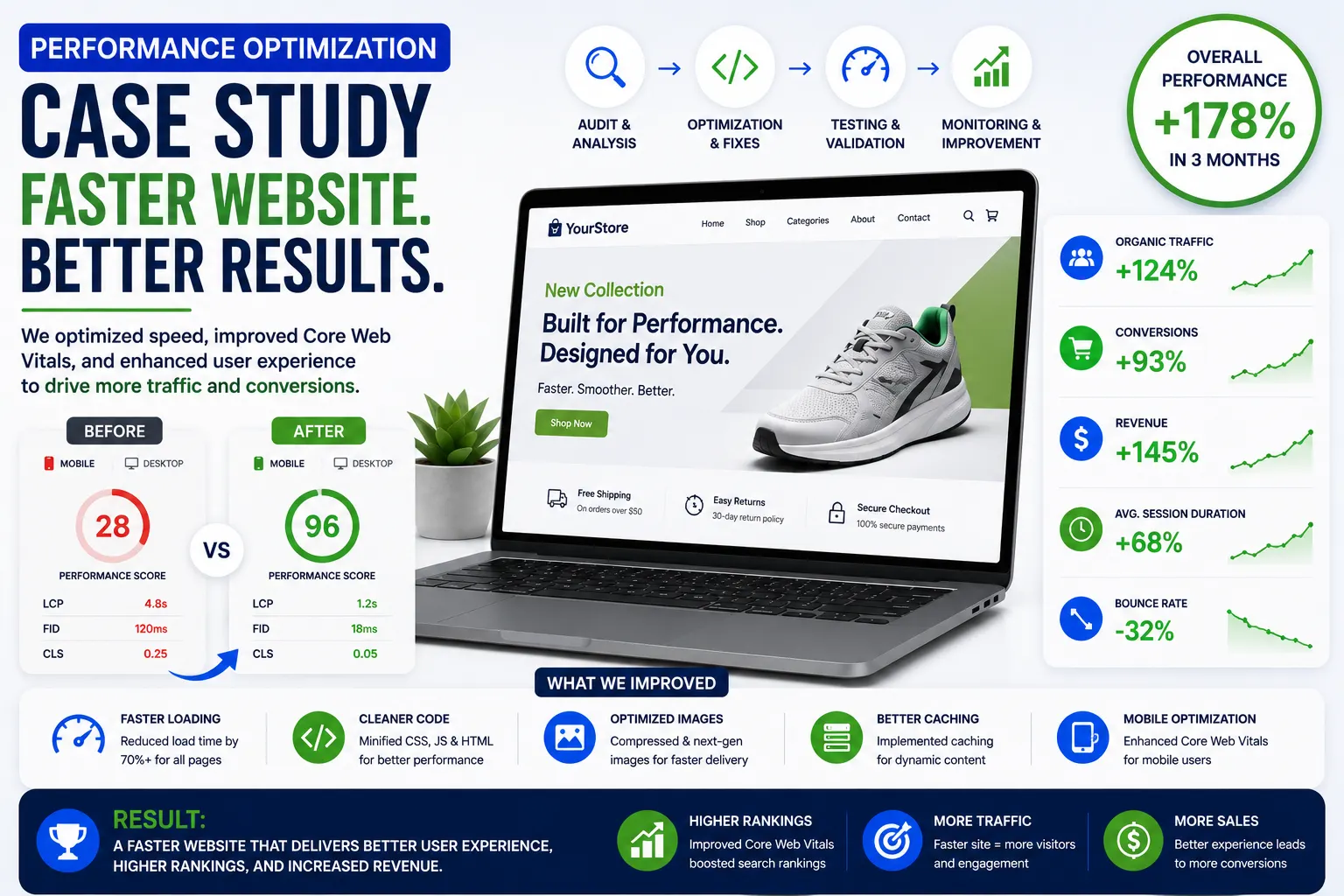
An ecommerce website functions as the primary sales engine. Poor website performance negatively impacts conversions, SEO rankings, and customer trust.
Website Speed Optimization
Website speed directly affects bounce rates and conversions. Slow-loading pages frustrate users and reduce search engine visibility.
Key speed optimization strategies include:
- Using optimized image formats such as WebP and AVIF
- Implementing lazy loading
- Reducing unnecessary scripts
- Enabling browser caching
- Using content delivery networks
- Optimizing server response time
- Minimizing CSS and JavaScript files
Fast websites create smoother customer experiences and improve overall conversion performance.
Mobile Commerce Optimization
Mobile commerce continues to dominate ecommerce traffic globally. Businesses that fail to optimize for mobile users lose significant revenue opportunities.
Essential Mobile Optimization Elements
A mobile-friendly eCommerce site should include:
- Responsive design
- Fast mobile loading speeds
- Simplified navigation
- Mobile-friendly checkout
- Easy-to-click buttons
- Optimized product pages
- Mobile payment integration
Google also prioritizes mobile-first indexing, making mobile optimization essential for SEO performance.
Ecommerce SEO Strategy
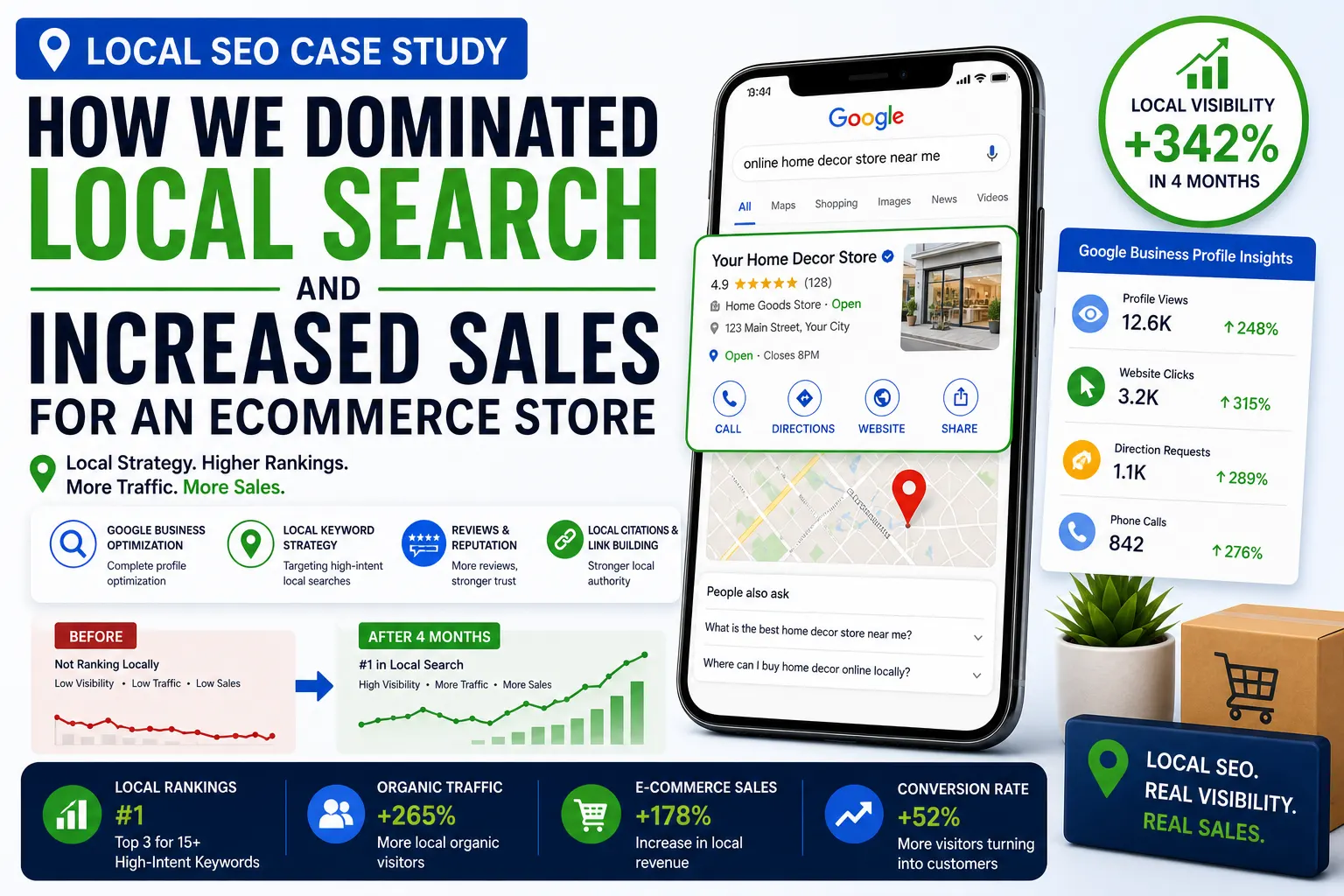
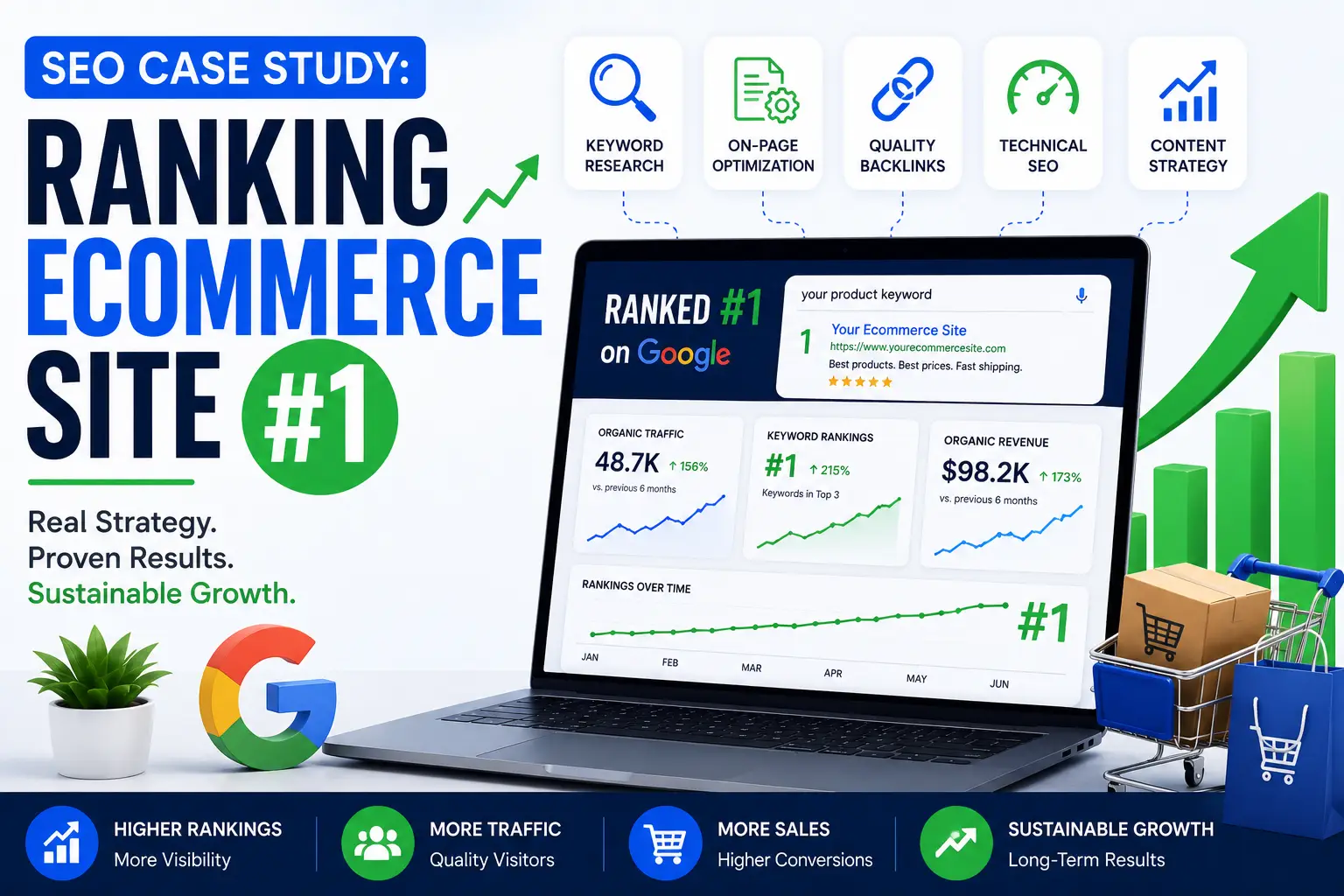
Search engine optimization remains one of the most sustainable eCommerce growth channels. Unlike paid advertising, SEO creates long-term visibility and recurring organic traffic.
Keyword Research
Effective eCommerce SEO begins with identifying high-intent keywords that customers use during different stages of the buying journey.
Keyword categories include:
- Transactional keywords
- Informational keywords
- Commercial investigation keywords
- Brand keywords
- Long-tail product keywords
Businesses should target both short-tail and long-tail keywords to capture broader search demand.
Category Page Optimization
Category pages are highly important for eCommerce SEO because they often target valuable commercial keywords.
Optimized category pages should include:
- Unique introductory content
- Internal linking
- Optimized meta titles
- SEO-friendly URLs
- Schema markup
- User-friendly navigation
- Filter optimization
Properly optimized category pages improve rankings and help search engines understand site structure.
Product Page Optimization
Product pages play a critical role in conversions and SEO visibility.
Key Product Page Elements
High-performing product pages include:
- High-quality images
- Detailed product descriptions
- Customer reviews
- FAQs
- Product videos
- Clear pricing
- Shipping information
- Trust signals
- Structured data markup
Product descriptions should focus on benefits instead of only specifications.
Content Marketing for Ecommerce Growth
Content marketing helps ecommerce brands attract organic traffic, build authority, and educate customers.
Blog Content Strategy
A strategic ecommerce blog should target:
- Informational search queries
- Product comparisons
- Buying guides
- Industry trends
- Tutorials
- Problem-solving articles
Long-form educational content often generates substantial organic traffic over time.
Businesses looking to improve ecommerce SEO and content strategy can review ecommerce-focused digital services at Sri Hayavadhana Ecommerce SEO Services.
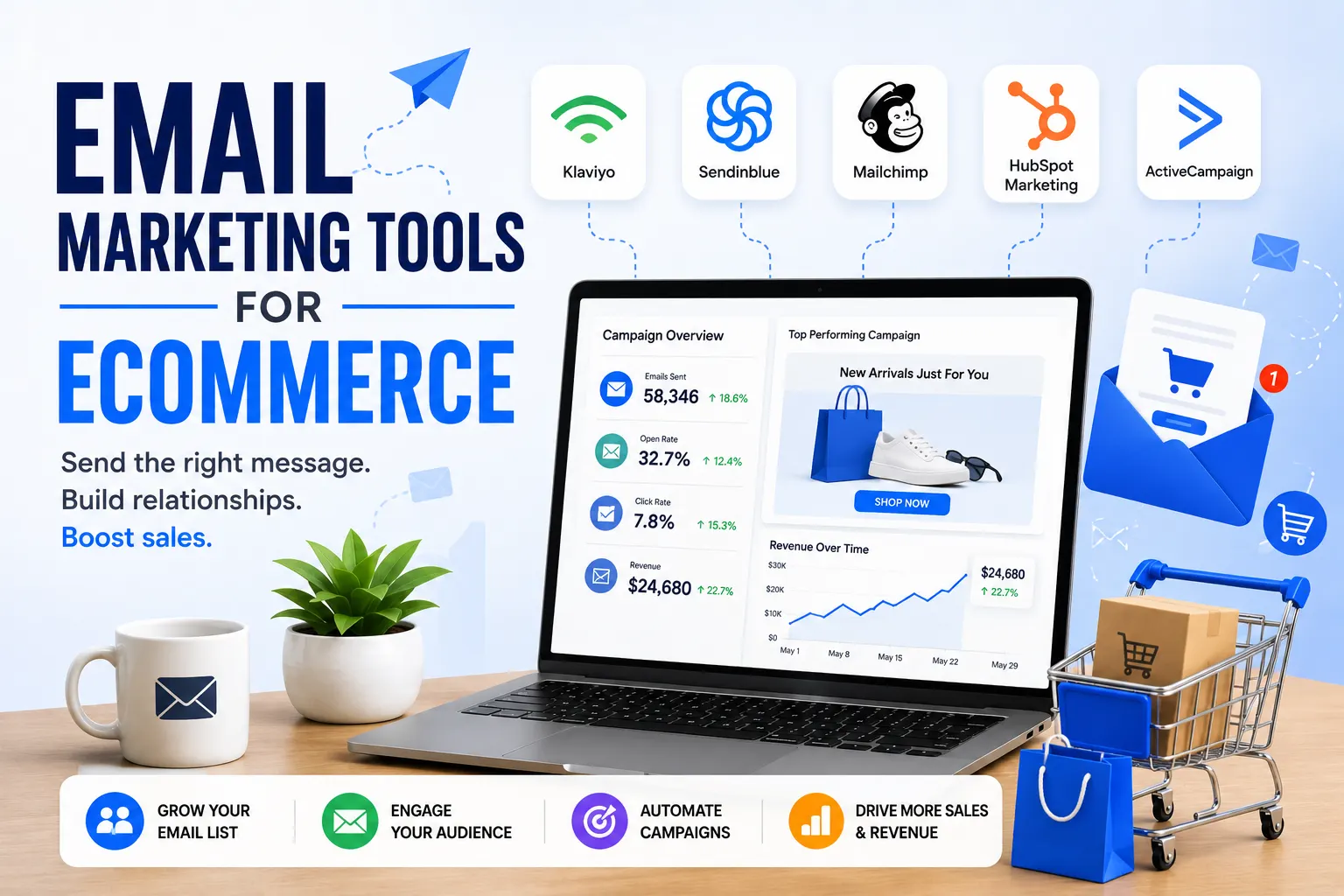
Email Marketing and Automation
Email marketing remains one of the highest ROI ecommerce growth channels.
Essential Ecommerce Email Flows
Effective email automation includes:
- Welcome sequences
- Abandoned cart recovery
- Post-purchase emails
- Re-engagement campaigns
- Product recommendation emails
- Loyalty program emails
Automated email systems improve retention and increase repeat purchases.
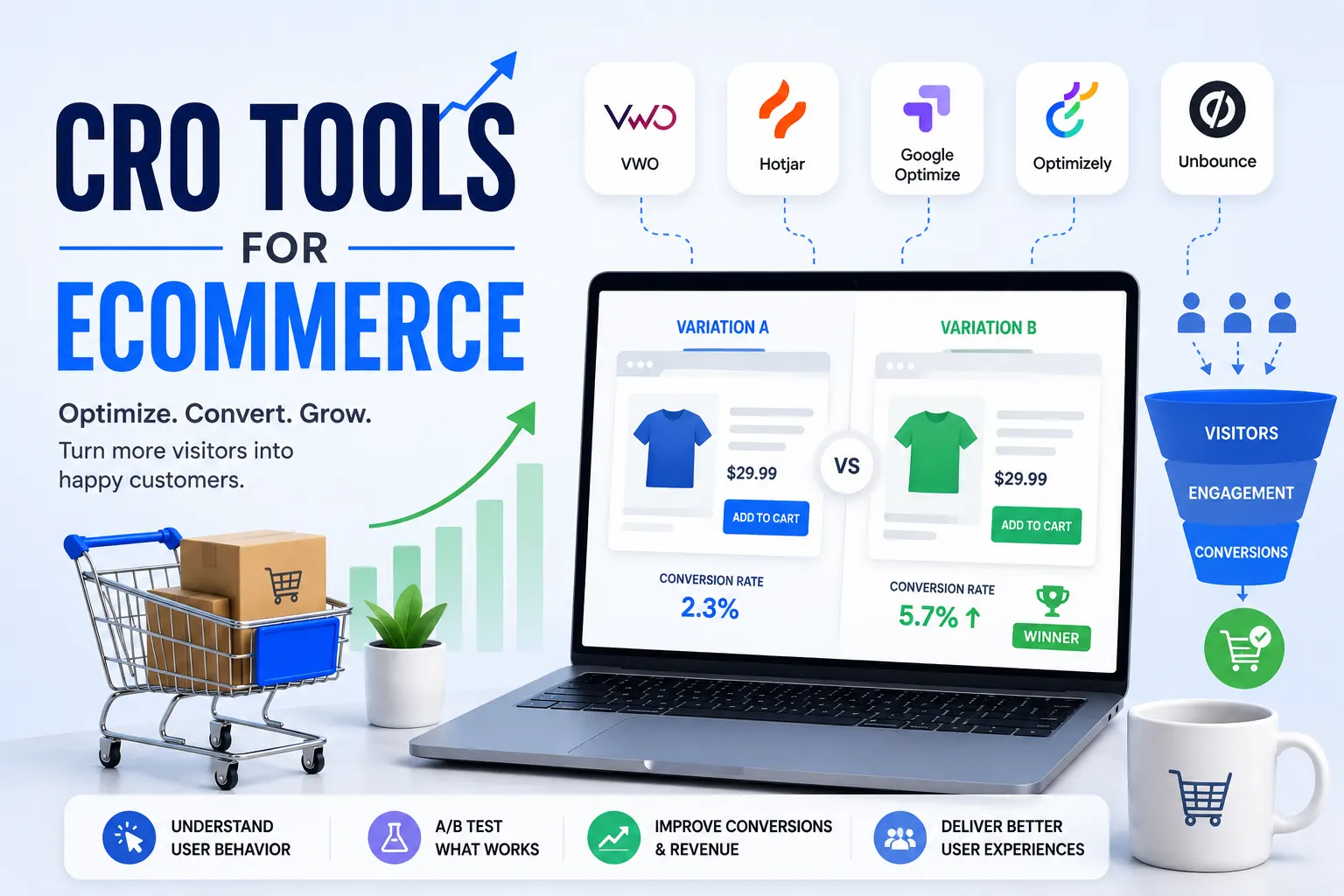
Conversion Rate Optimization
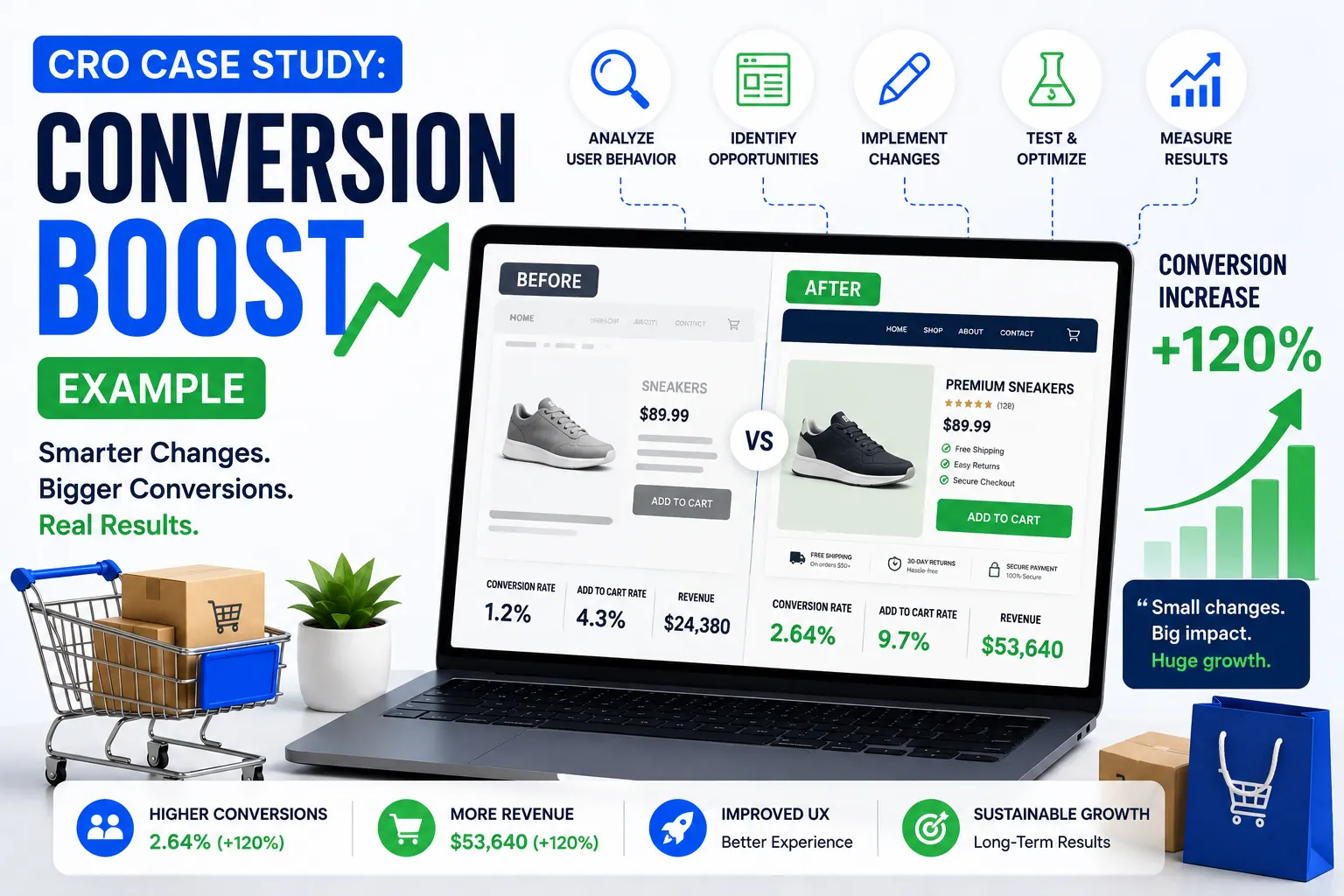
Driving traffic without optimizing conversions leads to wasted marketing budgets.
CRO Best Practices
Key conversion optimization strategies include:
- Simplified checkout process
- Strong product photography
- Clear calls-to-action
- Trust badges
- Social proof
- Live chat integration
- Exit intent popups
- Personalized recommendations
Small improvements in conversion rate can significantly increase total revenue.
Customer Retention Strategy
Customer retention is often more profitable than customer acquisition.
Building Customer Loyalty
Retention strategies include:
- Loyalty programs
- Personalized recommendations
- Subscription models
- Exclusive offers
- Reward systems
- Community building
Businesses with strong retention systems achieve higher customer lifetime value.
Subscription Ecommerce Growth
Subscription models create predictable recurring revenue and improve customer retention.
Benefits of Subscription Models
Subscription ecommerce offers:
- Stable cash flow
- Higher retention
- Predictable inventory planning
- Stronger customer relationships
- Increased lifetime value
Popular subscription models include replenishment subscriptions, curated subscription boxes, and membership-based ecommerce systems.
Paid Advertising Strategy
Paid advertising accelerates ecommerce growth when combined with strong retention and SEO systems.
Major Ecommerce Advertising Channels
Popular advertising platforms include:
- Google Shopping Ads
- Meta Ads
- TikTok Ads
- YouTube Ads
- Pinterest Ads
- Retargeting campaigns
Successful ad campaigns focus heavily on audience targeting, creative optimization, and landing page relevance.
Retargeting and Remarketing
Most ecommerce visitors do not purchase during their first visit.
Retargeting campaigns help businesses reconnect with visitors through:
- Dynamic product ads
- Email reminders
- Personalized offers
- Social media retargeting
Remarketing improves conversion rates by nurturing potential customers throughout the buying journey.
Social Commerce Strategy
Social commerce continues to reshape ecommerce growth.
Social Commerce Platforms
Businesses increasingly sell directly through:
- Instagram Shops
- Facebook Shops
- TikTok Shop
- Pinterest Shopping
- YouTube Shopping
Social commerce reduces friction between product discovery and purchase.
Influencer Marketing
Influencer marketing builds trust and expands brand visibility.
Selecting the Right Influencers
Brands should focus on:
- Audience relevance
- Engagement quality
- Content authenticity
- Niche authority
- Long-term partnerships
Micro-influencers often provide better engagement rates than large celebrity accounts.
Omnichannel Ecommerce Strategy
Modern consumers interact with brands across multiple platforms.
Omnichannel Integration
An omni channel strategy connects:
- Ecommerce websites
- Social media
- Physical stores
- Mobile apps
- Email marketing
- Marketplaces
Consistent branding across all channels improves customer experience.
Marketplace Expansion
Selling on marketplaces helps ecommerce businesses reach broader audiences.
Popular Ecommerce Marketplaces
Common marketplaces include:
- Amazon
- Flipkart
- Etsy
- Walmart Marketplace
- eBay
Marketplace strategies should complement, not replace, independent ecommerce stores.
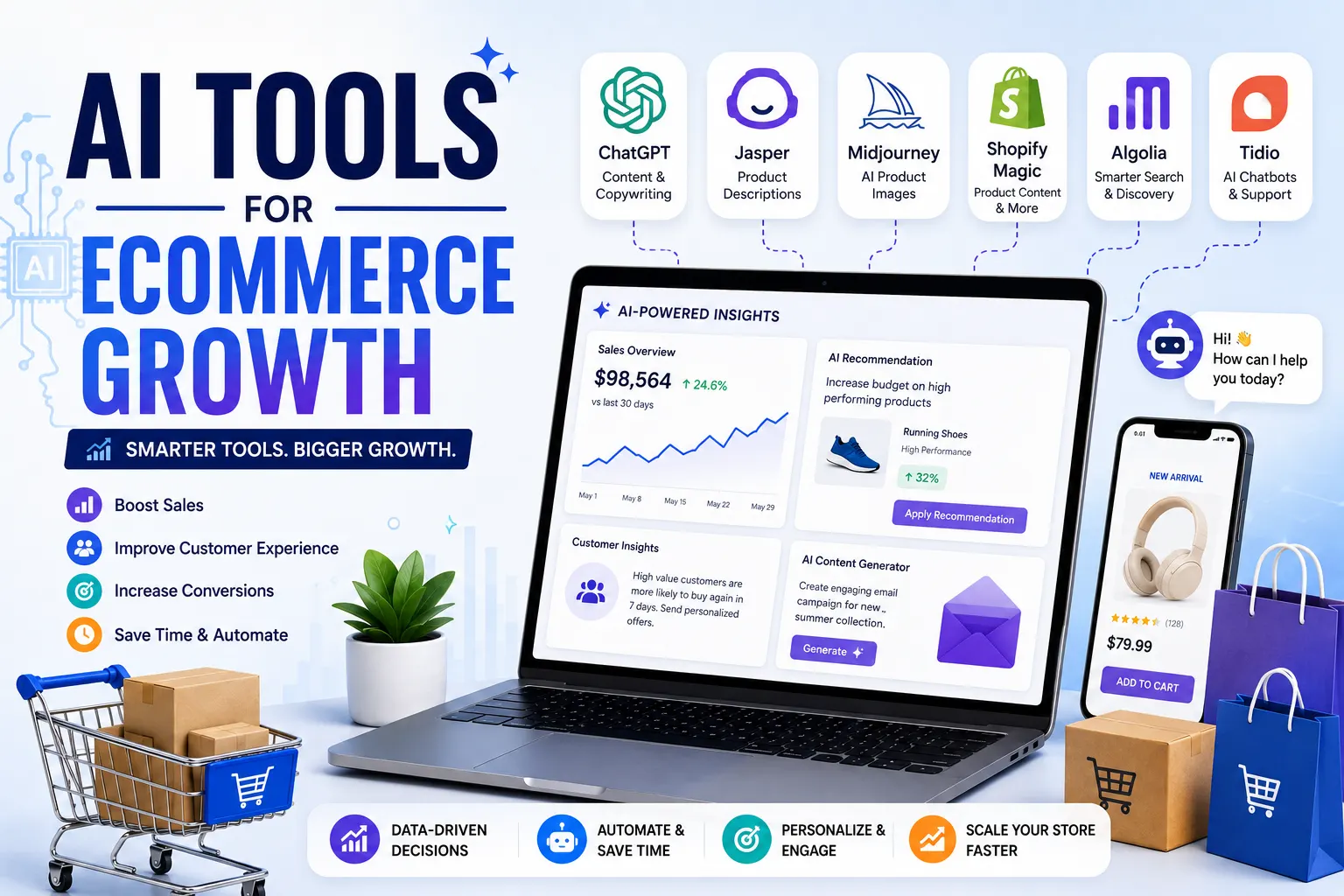
AI in Ecommerce Growth
Artificial intelligence increasingly influences ecommerce optimization.
AI Applications in Ecommerce
AI helps improve:
- Product recommendations
- Customer support
- Inventory forecasting
- Dynamic pricing
- Personalized marketing
- Search functionality
AI-powered personalization improves engagement and conversions.
Ecommerce Analytics and Data Tracking
Data-driven decision-making is essential for scalable growth.
Important Ecommerce Metrics
Businesses should track:
- Conversion rate
- Average order value
- Customer acquisition cost
- Customer lifetime value
- Bounce rate
- Cart abandonment rate
- Repeat purchase rate
- Organic traffic growth
Analytics platforms help identify strengths, weaknesses, and growth opportunities.
Customer Experience Optimization
Customer experience strongly impacts retention and brand reputation.
Key Customer Experience Factors
Excellent ecommerce experiences include:
- Fast website performance
- Easy navigation
- Transparent pricing
- Responsive support
- Accurate product information
- Smooth checkout process
Positive customer experiences encourage repeat purchases and referrals.
Ecommerce Personalization
Personalization improves customer engagement and conversion rates.
Personalization Strategies
Effective personalization includes:
- Personalized recommendations
- Behavioral email triggers
- Dynamic homepage content
- Product suggestions
- Personalized promotions
Modern consumers increasingly expect personalized shopping experiences.
Inventory and Supply Chain Optimization
Operational efficiency directly impacts ecommerce profitability.
Supply Chain Improvements
Businesses should focus on:
- Inventory forecasting
- Supplier management
- Automated stock tracking
- Fulfillment optimization
- Shipping transparency
Efficient logistics improve customer satisfaction and reduce operational costs.
International Ecommerce Expansion
Cross-border ecommerce presents substantial growth opportunities.
Preparing for International Growth
International ecommerce requires:
- Multi-currency support
- Localized content
- International shipping solutions
- Regional payment gateways
- Country-specific SEO
Localization helps businesses connect effectively with global audiences.
Ecommerce Branding Strategy
Strong branding differentiates ecommerce businesses from competitors.
Building a Recognizable Ecommerce Brand
Branding elements include:
- Visual identity
- Brand messaging
- Tone of voice
- Customer experience
- Packaging design
- Storytelling
Memorable brands create emotional connections with customers.
User Experience Design
UX design significantly affects ecommerce performance.
Essential UX Elements
Strong ecommerce UX includes:
- Simple navigation
- Clear product categorization
- Easy filtering systems
- Intuitive checkout
- Readable typography
- Consistent design language
Good UX reduces friction during the buying process.
Businesses seeking modern ecommerce website development solutions can explore professional services at Sri Hayavadhana Web Development Services.
Ecommerce Security and Trust
Trust is essential in ecommerce transactions.
Important Trust Signals
Ecommerce websites should include:
- SSL certificates
- Secure payment gateways
- Transparent return policies
- Verified customer reviews
- Privacy policies
- Contact information
Security concerns often prevent customers from completing purchases.
Voice Search and Emerging Trends
Voice search continues to influence ecommerce SEO strategies.
Optimizing for Voice Search
Voice search optimization includes:
- Conversational keywords
- FAQ content
- Natural language optimization
- Fast-loading mobile pages
Emerging technologies continue reshaping customer expectations.
Video Marketing for Ecommerce
Video content improves engagement and conversion performance.
Effective Ecommerce Video Types
Popular ecommerce videos include:
- Product demonstrations
- Unboxing videos
- Tutorials
- Customer testimonials
- Brand storytelling videos
Video content helps customers make informed purchase decisions.
User-Generated Content Strategy
User-generated content strengthens credibility and social proof.
UGC Examples
Brands can encourage:
- Customer reviews
- Social media posts
- Video testimonials
- Product photos
- Community engagement
Authentic customer content often influences buying decisions more effectively than traditional advertising.
Loyalty Programs and Rewards
Loyalty programs increase customer retention and repeat purchases.
Reward Program Benefits
Effective loyalty systems encourage:
- Repeat orders
- Referral activity
- Brand engagement
- Long-term customer relationships
Point-based systems and exclusive member benefits are common loyalty strategies.
Ecommerce Automation Systems
Automation improves efficiency and scalability.
Areas Suitable for Automation
Businesses can automate:
- Email marketing
- Inventory management
- Customer support
- Order tracking
- Retargeting campaigns
- Product recommendations
Automation reduces manual workload and improves operational consistency.
Scaling Ecommerce Operations
Growth creates operational complexity that requires structured systems.
Scaling Challenges
Rapidly growing ecommerce businesses often face:
- Inventory shortages
- Fulfillment delays
- Customer service overload
- Technical limitations
- Rising advertising costs
Scalable infrastructure prevents operational breakdowns during growth phases.
Building a Long-Term SEO Content Engine
A sustainable ecommerce growth blueprint includes ongoing content production.
Evergreen Content Strategy
Evergreen content continues generating traffic over time.
Examples include:
- Buying guides
- Educational tutorials
- Product comparison articles
- Industry insights
- FAQ pages
Consistent publishing strengthens topical authority and search visibility.
Technical SEO for Ecommerce
Technical SEO ensures search engines can properly crawl and index ecommerce websites.
Important Technical SEO Elements
Technical optimization includes:
- XML sitemaps
- Canonical tags
- Structured data
- Internal linking
- Crawl optimization
- Mobile responsiveness
Technical SEO issues often limit organic growth potential.
Ecommerce Site Architecture
Site structure affects both SEO and user experience.
Effective Site Structure
A strong ecommerce architecture should:
- Use logical category hierarchies
- Minimize unnecessary clicks
- Improve crawlability
- Support internal linking
Well-structured sites improve discoverability and navigation.
Building Brand Authority
Authority improves trust, conversions, and search rankings.
Authority-Building Strategies
Brands can strengthen authority through:
- Expert content creation
- PR campaigns
- Industry partnerships
- High-quality backlinks
- Thought leadership
Authority signals improve long-term competitiveness.
Sustainable Ecommerce Growth
Sustainable growth focuses on profitability and long-term scalability instead of short-term spikes.
Sustainable Growth Principles
Businesses should prioritize:
- Customer retention
- Brand trust
- Operational efficiency
- Organic acquisition
- Data-driven optimization
Sustainable businesses adapt more effectively to market changes.
Common Ecommerce Growth Mistakes
Many ecommerce brands struggle because of strategic mistakes.
Frequent Growth Challenges
Common problems include:
- Overreliance on paid ads
- Poor mobile optimization
- Weak SEO foundations
- Complicated checkout systems
- Ignoring retention marketing
- Low-quality product pages
Identifying weaknesses early prevents long-term growth limitations.
Future of Ecommerce Growth
Ecommerce continues evolving rapidly.
Emerging Ecommerce Trends
Future trends may include:
- AI-driven personalization
- Voice commerce
- Augmented reality shopping
- Headless commerce
- Predictive analytics
- Hyper-personalized marketing
Businesses that adapt quickly gain competitive advantages.
Creating a Complete Ecommerce Growth Roadmap
A successful ecommerce growth blueprint requires coordinated execution across multiple areas.
Growth Roadmap Components
An effective roadmap includes:
- Technical optimization
- SEO strategy
- Content marketing
- Conversion optimization
- Retention systems
- Paid advertising
- Analytics tracking
- Automation implementation
- Brand development
- Scalability planning
Structured execution produces more predictable growth outcomes.
Conclusion
Ecommerce growth is not driven by a single tactic or platform. Sustainable success comes from building a comprehensive system that integrates SEO, user experience, branding, customer retention, analytics, automation, content marketing, and operational efficiency into a unified growth engine.
Modern ecommerce businesses must focus on long-term scalability rather than temporary traffic spikes. Search visibility, customer loyalty, personalized experiences, fast-loading websites, conversion optimization, and omnichannel engagement all contribute to sustainable growth.
Brands that continuously analyze data, improve customer experience, adapt to changing technology, and invest in long-term digital assets position themselves for lasting success in the competitive ecommerce landscape.
A well-executed ecommerce growth strategy blueprint enables businesses to attract high-quality traffic, convert visitors effectively, retain loyal customers, and scale profitably over time.h
For businesses seeking professional ecommerce website development, SEO optimization, and digital growth solutions, visit Sri Hayavadhana Solutions.