Blog
How We Increased Ecommerce Sales by 120%

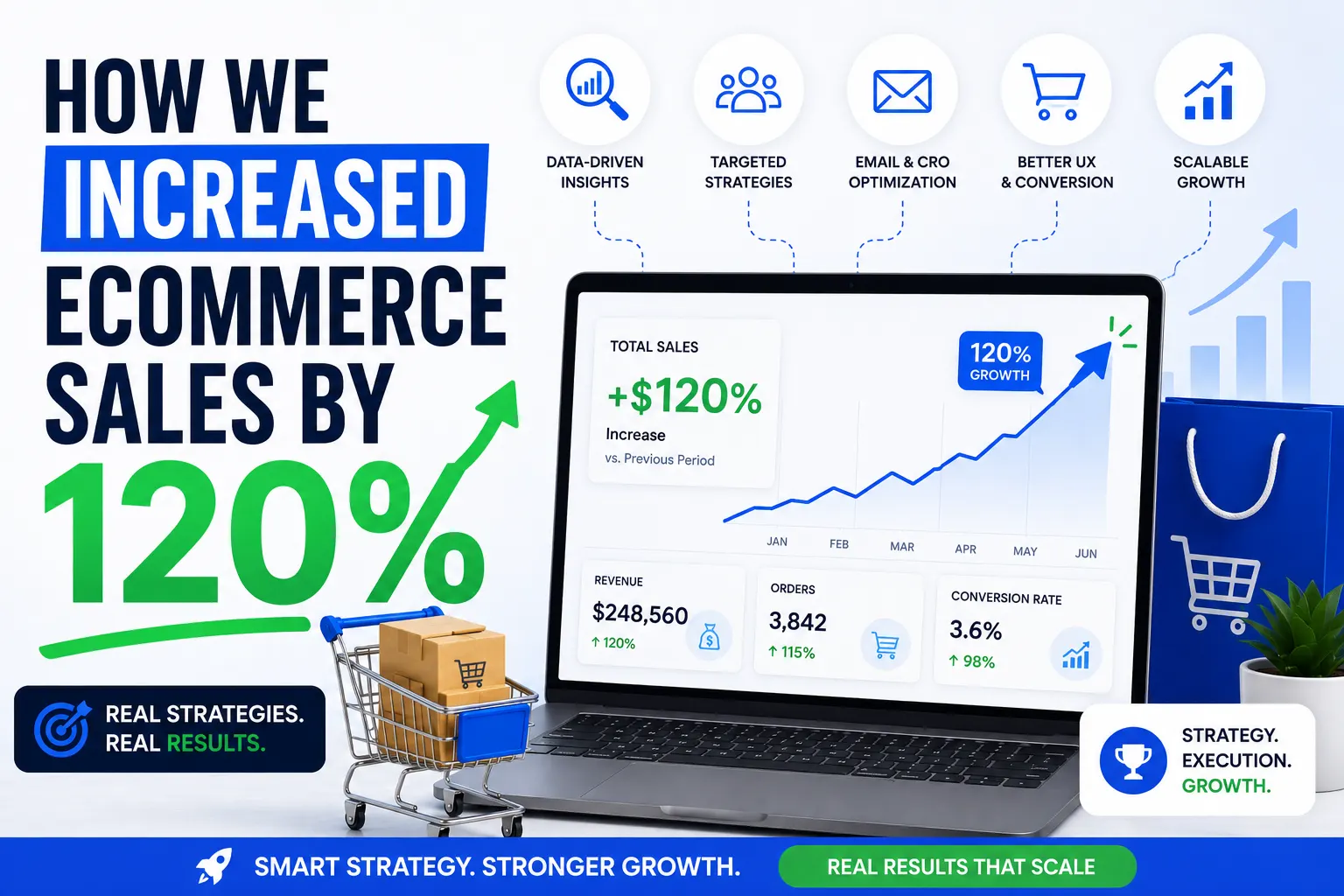
Complete Ecommerce Growth Case Study
Ecommerce growth does not happen by accident. Many online stores struggle with declining traffic, low conversion rates, poor customer retention, ineffective advertising campaigns, and inconsistent user experiences. While some businesses focus only on increasing traffic, sustainable ecommerce growth usually comes from improving the entire customer journey.
A successful ecommerce strategy combines SEO, user experience optimization, conversion rate improvements, performance marketing, technical website enhancements, content strategy, mobile responsiveness, trust-building elements, and customer retention systems. When these areas work together effectively, ecommerce businesses can achieve significant revenue growth.
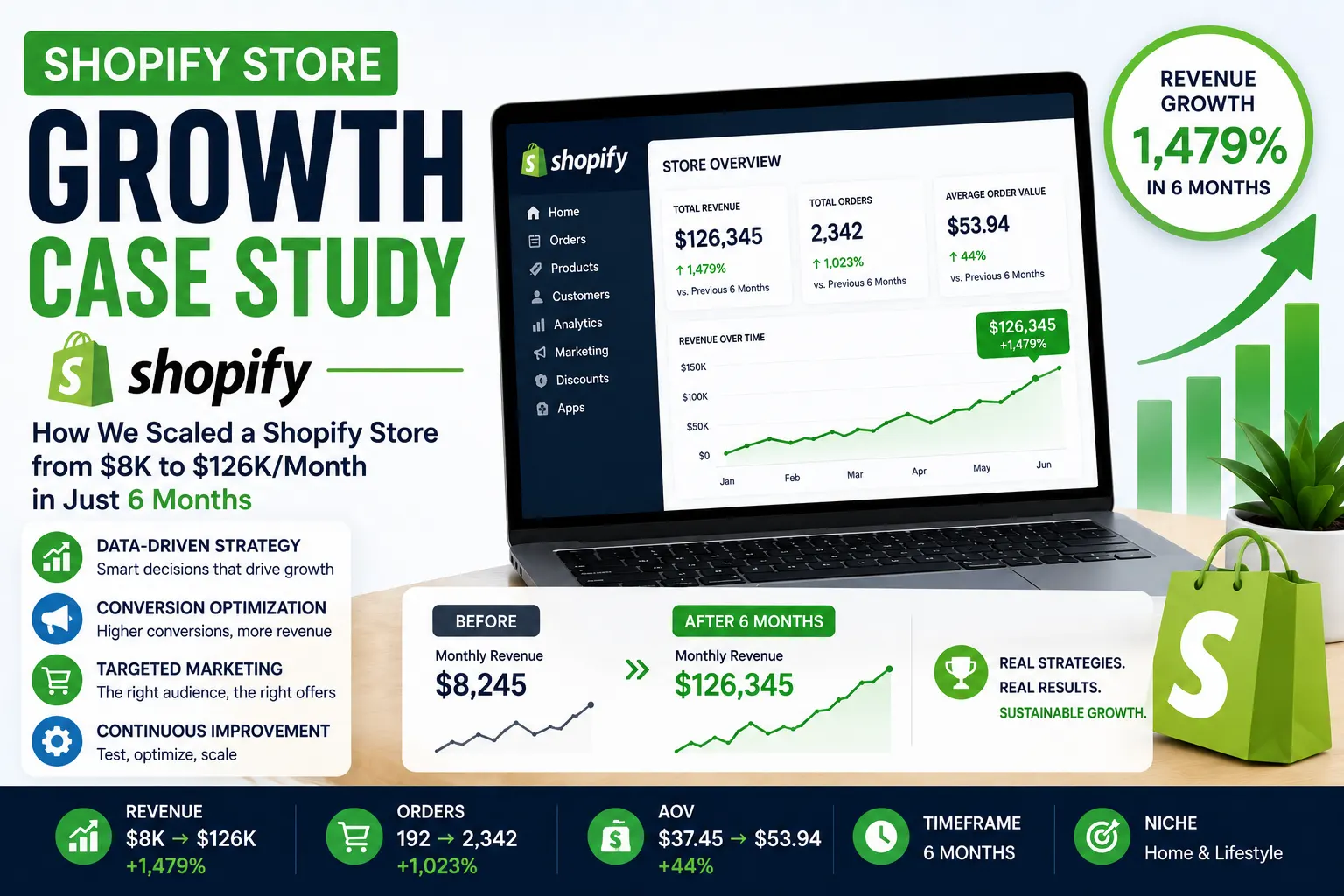
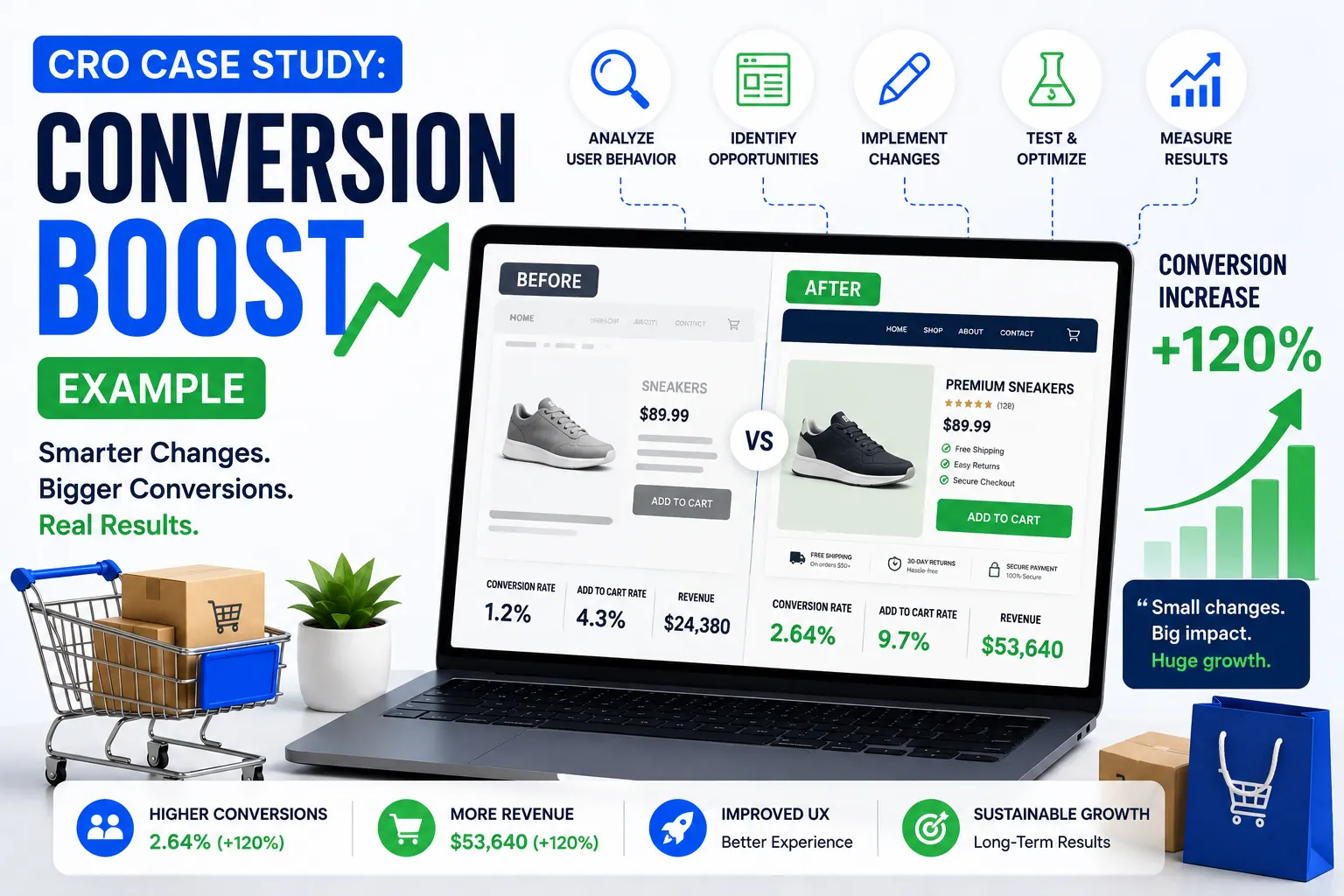
This case study explains how an ecommerce business increased online sales by 120% using a structured digital commerce strategy focused on SEO, user experience, customer behavior analysis, conversion optimization, content marketing, and ecommerce performance improvements.
The results were not achieved through a single marketing campaign or temporary promotion. Instead, the growth came from consistent optimization across multiple areas of the ecommerce ecosystem.
This article breaks down the exact strategies, processes, challenges, and improvements that contributed to scaling ecommerce revenue successfully.
For ecommerce website development, SEO services, Shopify development, WooCommerce development, and ecommerce growth strategies, visit:
The Initial Ecommerce Challenges
Before implementing the growth strategy, the ecommerce website faced several operational and marketing problems that limited its ability to scale revenue consistently.
Although the business had quality products and an established customer base, the online store struggled with conversion inefficiencies and poor search visibility.
Some of the major challenges included:
- Low organic traffic from search engines
- High cart abandonment rates
- Poor mobile shopping experience
- Slow website loading speed
- Weak product page optimization
- Inconsistent branding across landing pages
- Low average order value
- Poor internal linking structure
- Limited customer retention campaigns
- Inefficient paid advertising spend
- Low trust signals on the website
- Basic product descriptions with minimal SEO value
- Lack of content marketing strategy
- Weak email automation systems
The business was generating traffic through paid advertising, but conversions remained inconsistent. Customer acquisition costs continued increasing while revenue growth slowed.
The ecommerce website also lacked strong technical optimization. Several pages loaded slowly on mobile devices, and important category pages were not properly optimized for search intent.
The business needed a long-term growth strategy instead of relying only on short-term advertising campaigns.
Understanding the Ecommerce Growth Objectives
Before implementing changes, the first step was defining measurable growth goals.
Instead of focusing only on traffic growth, the strategy focused on improving the overall ecommerce sales ecosystem.
The primary objectives included:
- Increase ecommerce sales revenue
- Improve conversion rates
- Increase organic traffic
- Reduce cart abandonment
- Improve mobile shopping experience
- Increase customer retention
- Improve average order value
- Reduce customer acquisition costs
- Improve SEO visibility
- Increase returning customer purchases
- Strengthen trust and credibility
Having clear performance goals helped prioritize high-impact improvements.
The ecommerce strategy focused on sustainable long-term growth rather than temporary traffic spikes.
Step 1: Complete Ecommerce Website Audit
The first major step involved conducting a full ecommerce website audit.
This audit covered:
- Technical SEO
- User experience
- Mobile responsiveness
- Conversion optimization
- Site architecture
- Product page performance
- Checkout experience
- Internal linking
- Website speed
- Analytics tracking
- Customer behavior analysis
The audit revealed several critical performance issues affecting conversions.
Poor Mobile Experience
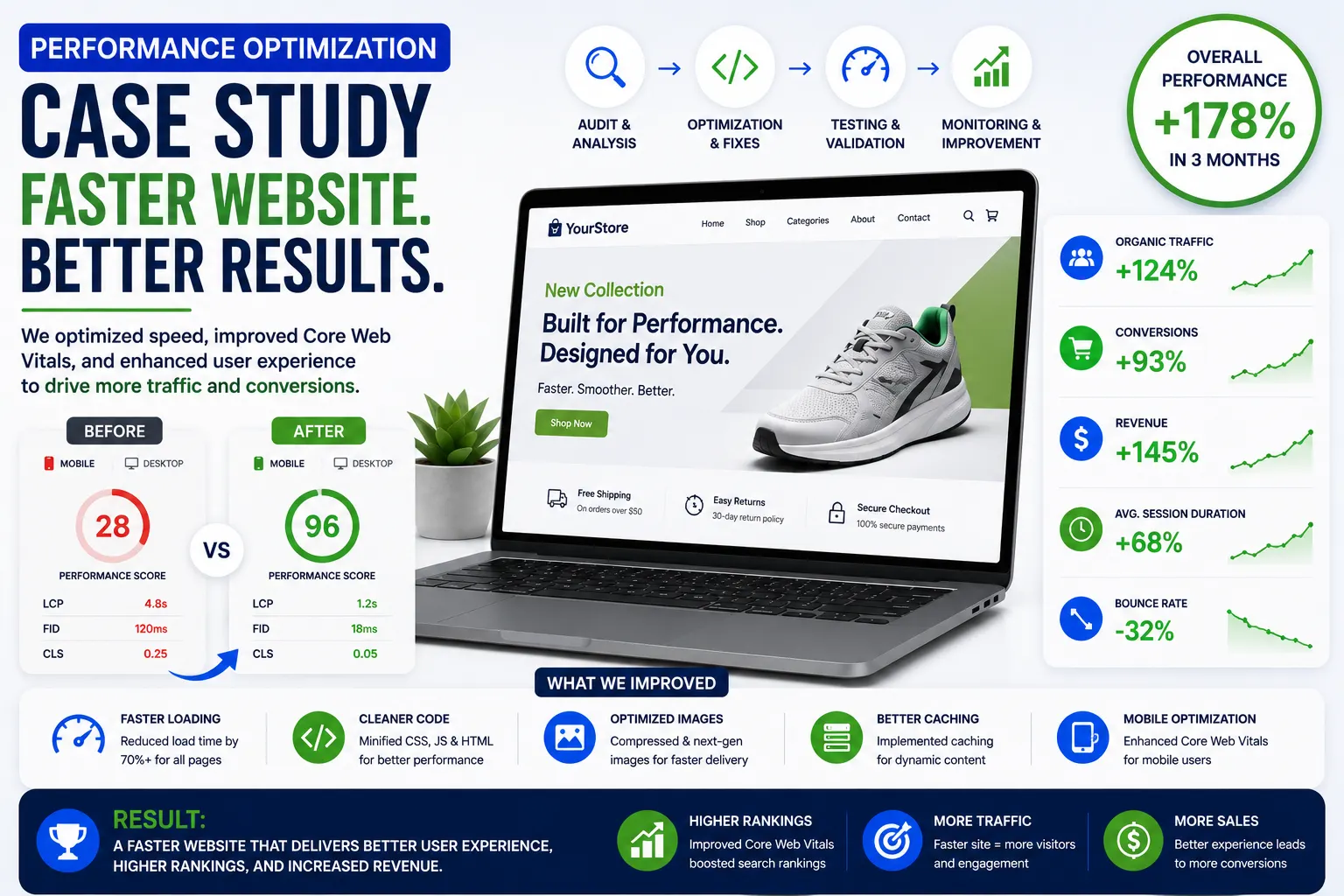
More than 70% of website traffic came from mobile devices, but the mobile experience was not optimized properly.
Problems included:
- Slow-loading product pages
- Large image sizes
- Poor button placement
- Difficult navigation
- Checkout friction
- Small font sizes
Mobile users were abandoning the site before reaching checkout.
Weak Product Page Structure
Many product pages contained minimal descriptions and lacked:
- Structured headings
- Customer trust elements
- Product FAQs
- Internal links
- Optimized images
- SEO metadata
- Social proof
The product pages did not provide enough information to encourage confident purchasing decisions.
Slow Website Speed
Website speed significantly affected user experience and SEO performance.
The ecommerce website suffered from:
- Unoptimized images
- Excessive scripts
- Poor caching configuration
- Heavy third-party integrations
- Large CSS and JavaScript files
Slow-loading pages contributed to higher bounce rates and lower conversions.
Poor SEO Foundation
The website lacked strong ecommerce SEO optimization.
Issues included:
- Duplicate metadata
- Weak keyword targeting
- Thin content
- Poor category optimization
- Limited internal linking
- Missing schema markup
- Weak blog content strategy
Search visibility was limited because important pages were not aligned with search intent.
Step 2: Ecommerce Website Redesign and UX Improvements
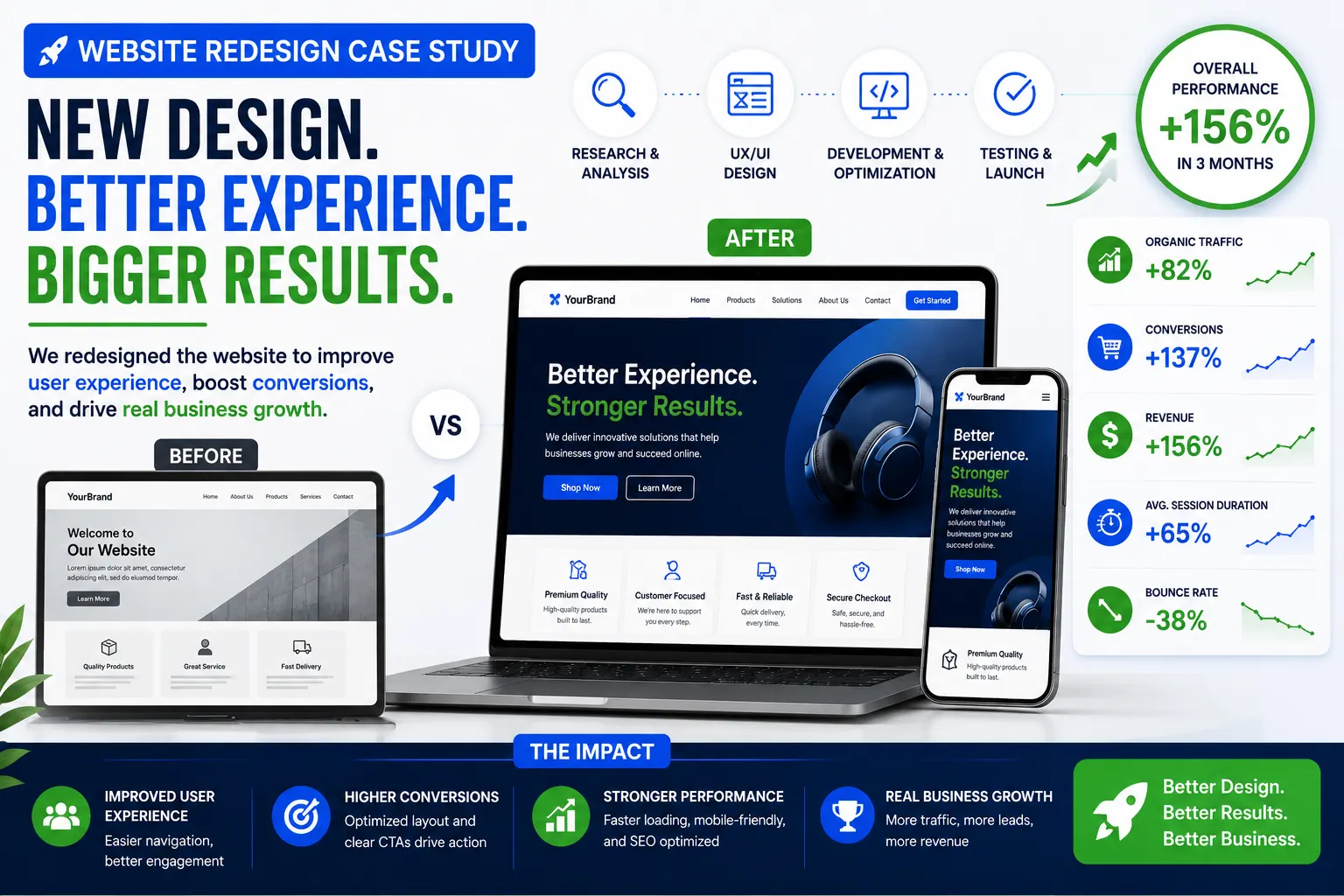
After identifying the core issues, the next step focused on redesigning important sections of the ecommerce website.
The goal was not just visual improvement. The redesign focused heavily on usability, conversion optimization, mobile responsiveness, and customer trust.
Simplifying Navigation
The previous website structure made it difficult for users to find products efficiently.
The navigation system was simplified using:
- Clear product categories
- Better filtering systems
- Improved search functionality
- Cleaner menu structure
- Mobile-friendly navigation
This improved product discovery and reduced user frustration.
Improving Product Page Layouts
Product pages were redesigned to improve customer engagement and purchase confidence.
Key improvements included:
- Better product image presentation
- Structured product descriptions
- Product benefits sections
- FAQ integration
- Customer reviews
- Related product recommendations
- Trust badges
- Shipping information visibility
The redesigned product pages increased user engagement significantly.
Mobile Optimization
The ecommerce website was rebuilt with mobile-first optimization.
Improvements included:
- Faster mobile loading speed
- Larger CTA buttons
- Better spacing
- Simplified checkout flow
- Improved mobile navigation
- Optimized image sizes
Mobile conversion rates improved substantially after optimization.
Checkout Optimization
The checkout process previously contained unnecessary friction.
Several changes improved checkout performance:
- Reduced form fields
- Guest checkout support
- Faster payment flow
- Improved checkout design
- Better payment trust indicators
- Simplified shipping process
Reducing checkout complexity directly improved completed purchases.
For ecommerce website optimization and redesign services:
https://srihayavadhana.com/ecommerce-website-development/
Step 3: Ecommerce SEO Strategy Implementation
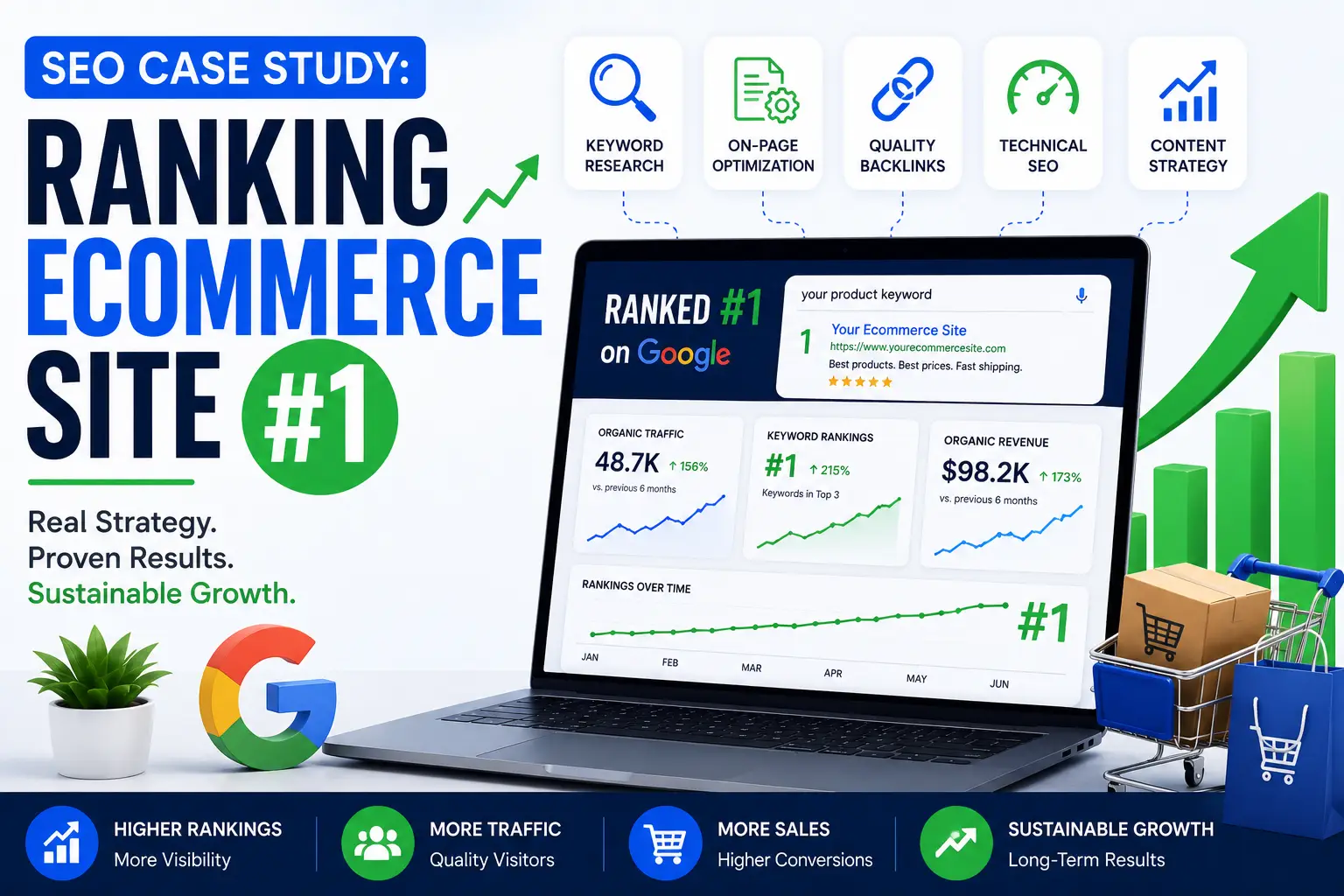
SEO became one of the most important growth channels in the ecommerce scaling process.
Instead of depending entirely on paid advertising, the strategy focused on building sustainable organic traffic.
Ecommerce Keyword Research
Comprehensive keyword research identified:
- Transactional keywords
- Informational keywords
- Long-tail ecommerce keywords
- Product-focused search queries
- Category page opportunities
The strategy targeted both high-volume and high-intent search terms.
Optimizing Category Pages
Many ecommerce websites neglect category page SEO.
The category pages were optimized using:
- SEO-focused introductions
- Better heading structures
- Internal linking
- Optimized metadata
- Improved filters
- Structured content sections
This improved rankings for broader commercial keywords.
Product Page SEO Optimization
Every product page was optimized individually.
Improvements included:
- Unique product descriptions
- Better keyword integration
- Optimized image alt tags
- SEO-friendly URLs
- FAQ schema
- Product schema markup
This improved search visibility and click-through rates.
Content Marketing Strategy
A long-form ecommerce content strategy was implemented.
The business started publishing:
- Buying guides
- Product comparison articles
- Educational content
- Industry trend articles
- FAQs
- Customer-focused blog posts
Long-form content improved:
- Organic traffic
- Brand authority
- Internal linking opportunities
- Customer trust
- Search engine visibility
Technical SEO Improvements
Technical SEO optimization included:
- XML sitemap optimization
- Schema implementation
- Canonical tag fixes
- Crawl optimization
- Image optimization
- Broken link fixes
- Page speed improvements
These technical improvements strengthened search engine crawlability and indexing.
For ecommerce SEO services and optimization:
https://srihayavadhana.com/ecommerce-seo-services/
Step 4: Conversion Rate Optimization Strategy
Increasing traffic alone was not enough.
The ecommerce business also needed better conversion performance.
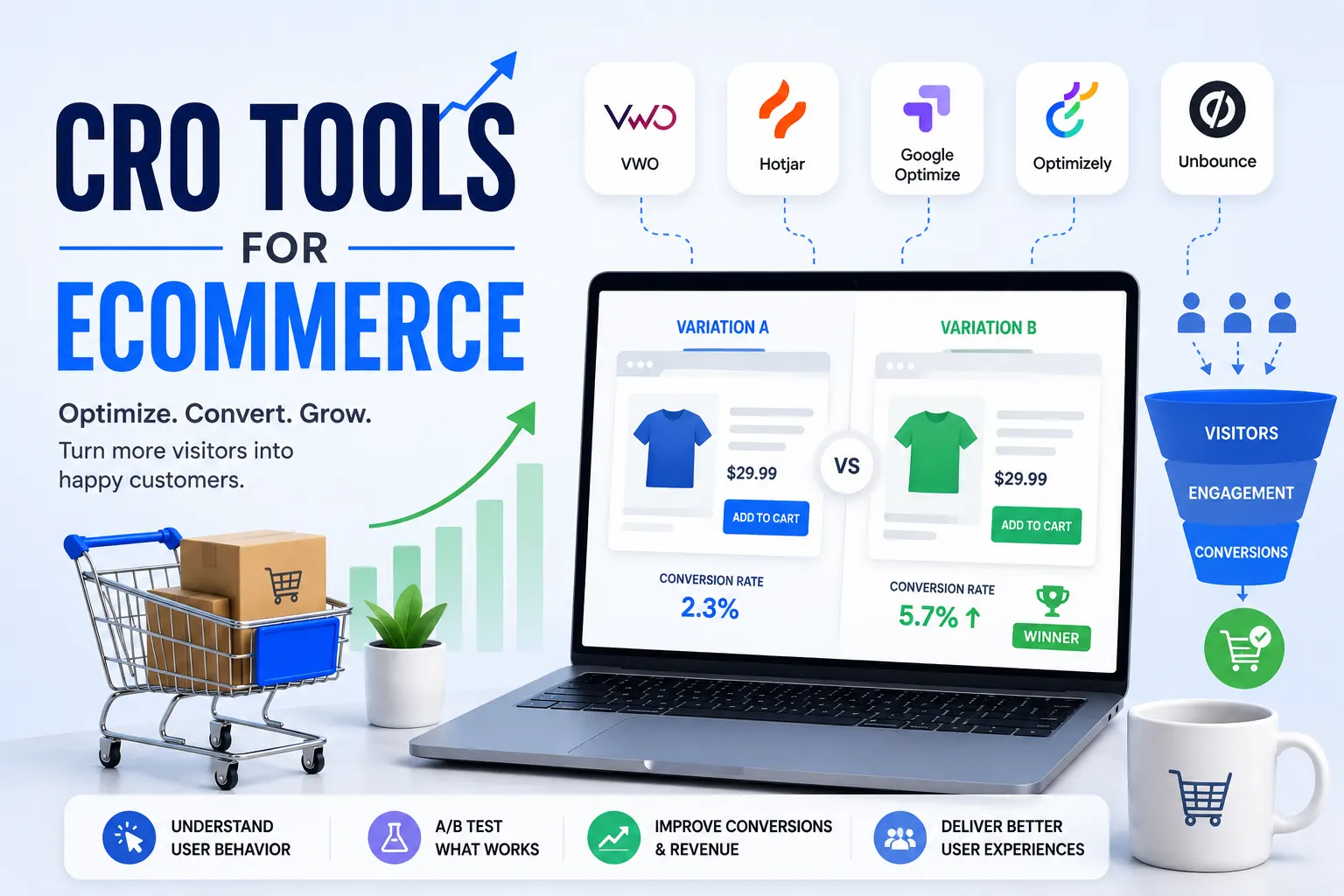
Conversion rate optimization focused on understanding customer behavior and reducing purchase friction.
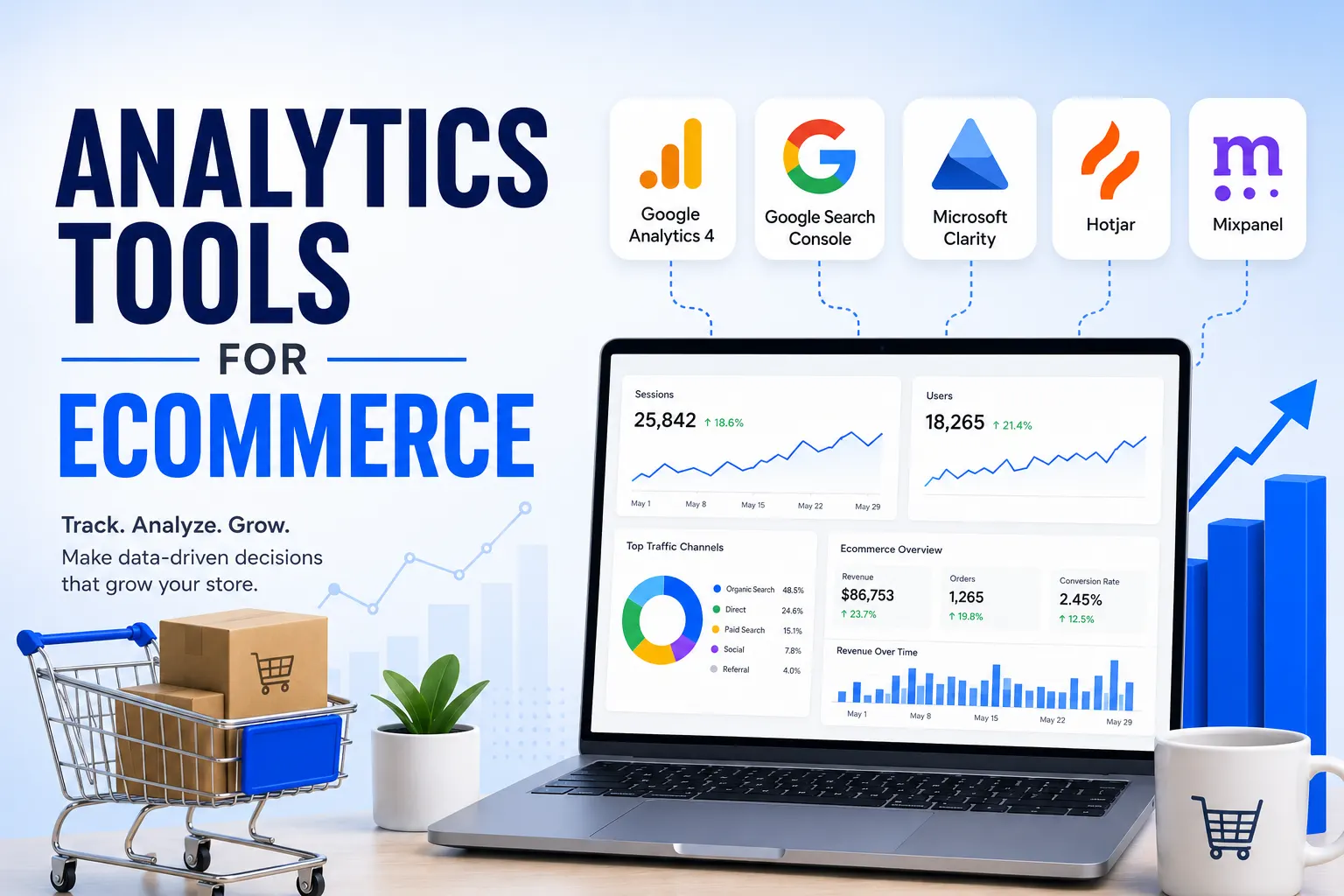
Heatmaps and User Behavior Analysis
Behavioral analytics tools helped identify:
- Where users dropped off
- Which sections received the most engagement
- Which pages caused confusion
- Which elements reduced conversions
The team used this data to improve layouts and content placement.
Improving Trust Signals
Trust strongly influences ecommerce purchasing decisions.
The website added:
- Customer reviews
- Secure payment badges
- Return policy visibility
- Contact information
- Social proof
- Delivery information
- Product guarantees
This improved customer confidence significantly.
Optimizing Call-to-Action Sections
CTA buttons and conversion elements were redesigned.
Improvements included:
- Better CTA visibility
- Stronger copywriting