Blog
Paid Ads ROI Case Study

Table of Contents
ToggleHow Strategic Advertising Campaigns Improved Lead Quality, Conversion Rates, and Business Growth
Paid advertising has become one of the fastest ways for businesses to generate leads, increase sales, improve brand visibility, and scale customer acquisition. However, running paid ads successfully requires much more than increasing advertising budgets or launching random campaigns across digital platforms.
Many businesses invest heavily in paid advertising but struggle to achieve consistent returns because of poor targeting, weak landing pages, low-quality creatives, incorrect audience segmentation, and ineffective conversion tracking. Without a structured strategy, advertising costs can increase rapidly while conversions remain inconsistent.
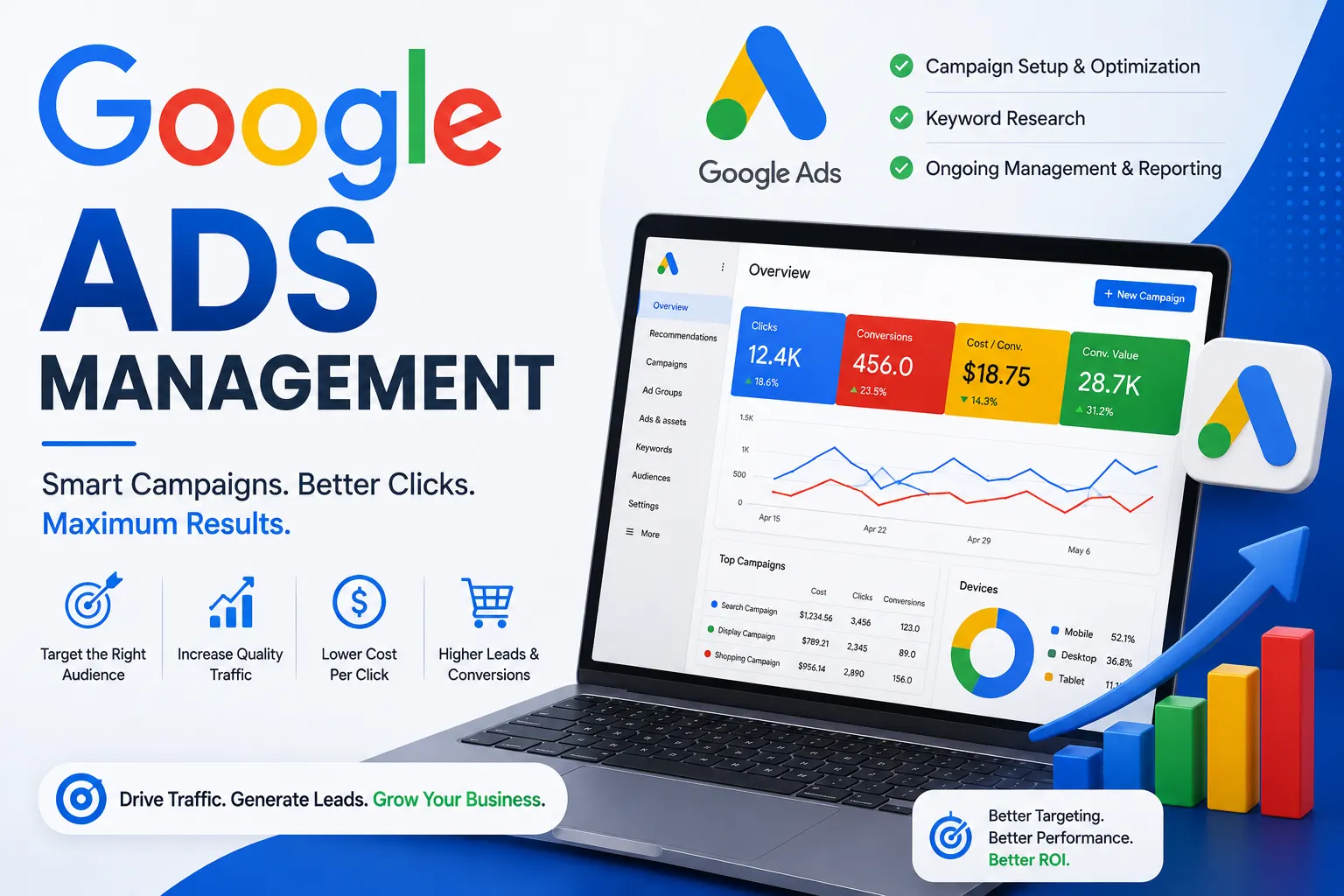
This paid ads ROI case study explains how a strategic advertising campaign improved return on investment, lead quality, user engagement, and overall business performance. The project involved audience research, conversion-focused landing pages, campaign optimization, retargeting strategies, keyword refinement, and performance tracking improvements.
Businesses planning to improve paid advertising performance can use this case study to understand how strategic optimization helps maximize advertising ROI while reducing wasted ad spend.
Why Paid Ads ROI Matters for Business Growth
Return on investment is one of the most important metrics in digital advertising. Businesses need to understand whether advertising campaigns are generating profitable outcomes rather than simply increasing website traffic.
A successful paid advertising strategy focuses on:
- Lead quality
- Conversion rates
- Customer acquisition cost
- Revenue generation
- Audience targeting
- Ad relevance
- User engagement
- Long-term scalability
When campaigns are poorly optimized, businesses often experience high advertising costs with low conversion performance. This creates unsustainable marketing expenses and limits growth opportunities.
Paid ads ROI optimization helps businesses allocate budgets more effectively while improving overall campaign efficiency.
Businesses looking for performance-focused advertising and digital growth solutions can explore <a href=”https://srihayavadhana.com”>Sri Hayavadhana</a> for SEO, paid advertising, and web development services.
Initial Challenges Before Campaign Optimization
Before optimization began, the advertising campaigns faced several performance problems that reduced overall return on investment.
The business generated traffic through paid ads, but conversion rates remained inconsistent and customer acquisition costs continued increasing.
High Advertising Costs With Low Conversion Rates
The campaigns attracted clicks, but many visitors left the landing pages without completing inquiries or purchases.
Several issues contributed to poor conversion performance, including:
- Weak landing page design
- Slow loading speed
- Generic ad messaging
- Poor audience targeting
- Low trust signals
- Unclear call-to-action sections
Although traffic volume appeared acceptable, the campaigns failed to generate strong business outcomes.
Poor Audience Segmentation
The original campaigns targeted overly broad audiences without sufficient demographic or behavioral refinement.
This resulted in:
- Irrelevant traffic
- Low-quality leads
- Poor engagement metrics
- Higher bounce rates
- Increased cost per conversion
Audience targeting plays a major role in paid advertising success because highly relevant traffic converts more effectively than generalized audiences.
Weak Conversion Tracking Setup
The previous campaign structure lacked accurate conversion tracking systems.
Without proper tracking, it became difficult to identify:
- High-performing keywords
- Best-converting audiences
- Effective ad creatives
- Strong landing pages
- User behavior patterns
Data-driven optimization requires reliable tracking systems to support informed advertising decisions.
Paid Advertising Audit and Strategy Development
A complete advertising audit was conducted before implementing optimization changes.
The audit focused on:
- Campaign structure
- Audience targeting
- Landing page performance
- Keyword analysis
- Conversion tracking
- Ad copy effectiveness
- Budget allocation
- Device-level performance
The goal was to identify inefficiencies reducing advertising ROI.
Campaign Optimization Strategy
The optimization strategy focused on improving:
- Lead quality
- Conversion rates
- Audience targeting
- Cost efficiency
- Landing page performance
- Campaign scalability
Instead of simply increasing ad spend, the strategy prioritized campaign efficiency and long-term profitability.
Audience Research and Segmentation Improvements
Audience targeting became one of the most important areas of optimization.
Detailed Audience Analysis
The campaign structure was rebuilt using detailed audience insights based on:
- Search intent
- User behavior
- Geographic targeting
- Device usage
- Demographic segmentation
- Interest-based targeting
More refined audience segmentation helped reduce irrelevant traffic while improving lead quality.
Retargeting Campaign Implementation
Retargeting campaigns were introduced to reconnect with users who previously interacted with the website but did not convert during their first visit.
Retargeting helped improve:
- Brand recall
- Conversion opportunities
- Customer engagement
- Advertising efficiency
Users who already recognize a business often convert more effectively than completely new audiences.
Device-Specific Optimization
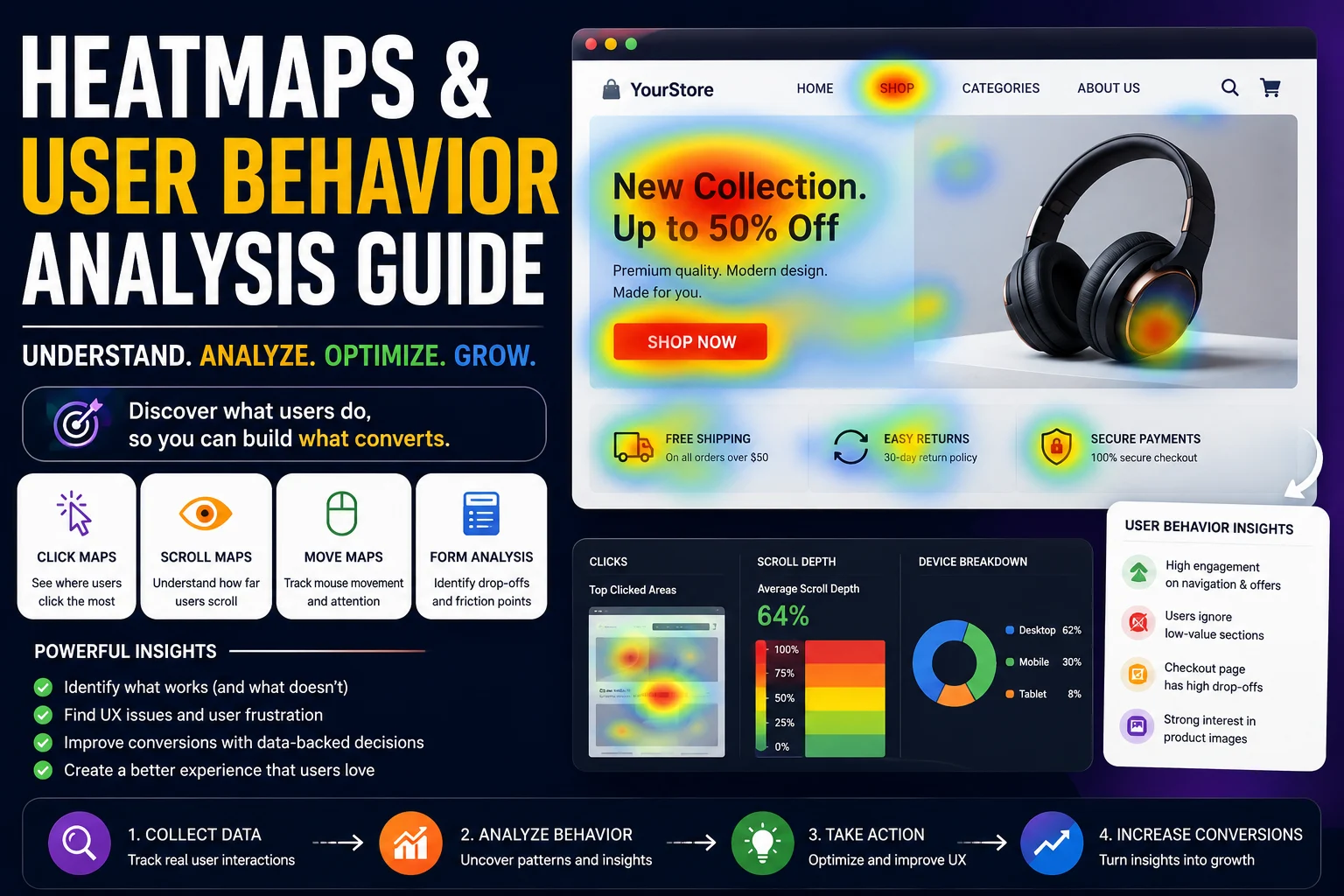
Campaign data revealed significant differences between desktop and mobile performance.
Optimization strategies included:
- Mobile-focused ad creatives
- Faster mobile landing pages
- Device-specific bidding adjustments
- Simplified mobile conversion forms
This helped improve conversion performance across different browsing environments.
Landing Page Optimization for Better ROI
Landing pages play a critical role in paid advertising success. Even strong ads can fail if landing pages do not support user expectations.
Faster Loading Speed
Landing pages were optimized to improve loading performance across devices.
Optimization improvements included:
- Image compression
- Reduced script usage
- Improved caching
- Mobile optimization
- Lightweight design structure
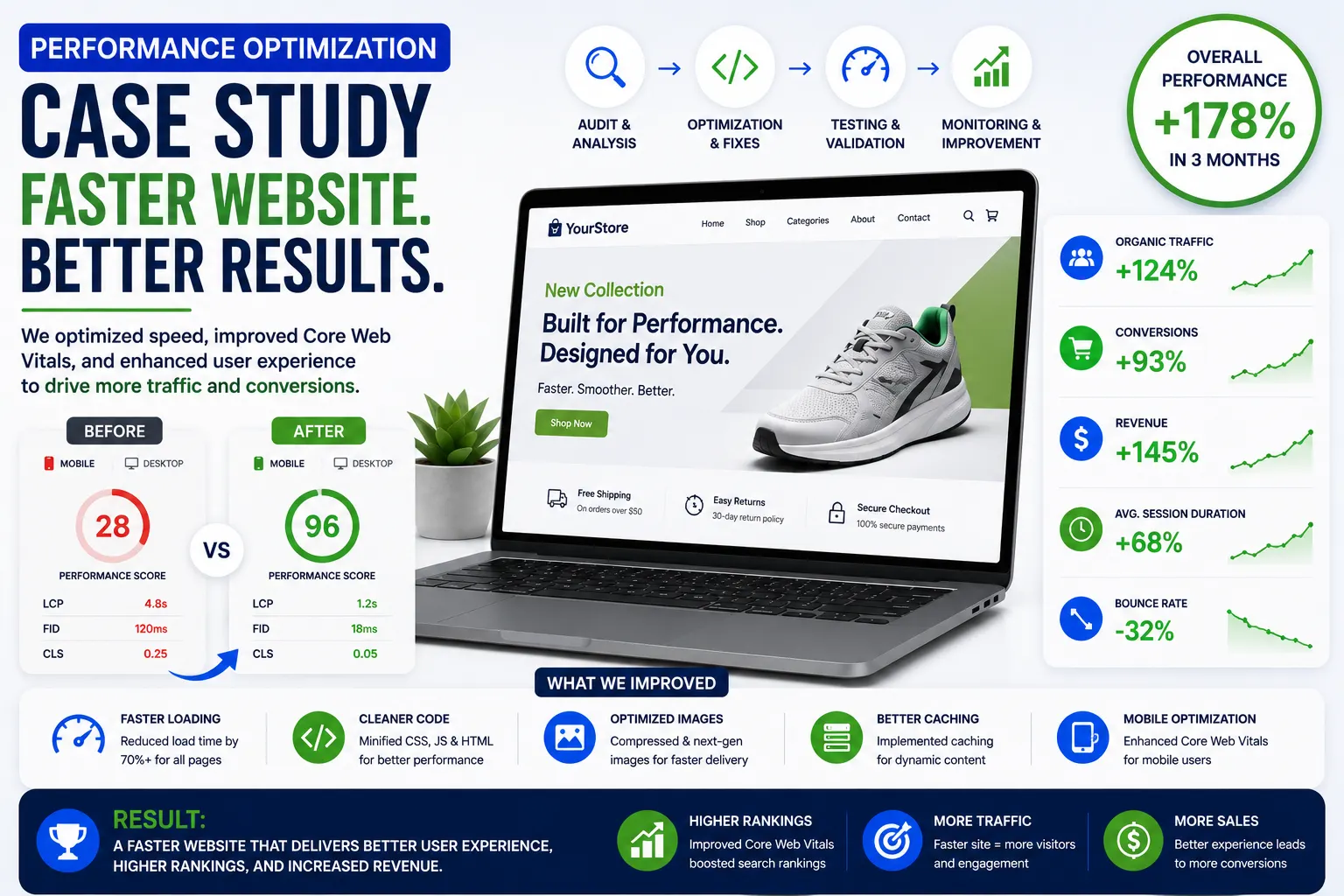
Faster landing pages improved user retention and reduced bounce rates.
Businesses seeking performance-focused web development solutions can explore:
- <a href=”https://srihayavadhana.com/web-development-company-in-coimbatore/”>Web Development Company</a>
- <a href=”https://srihayavadhana.com/website-design-company-in-coimbatore/”>Website Design Company in Coimbatore</a>
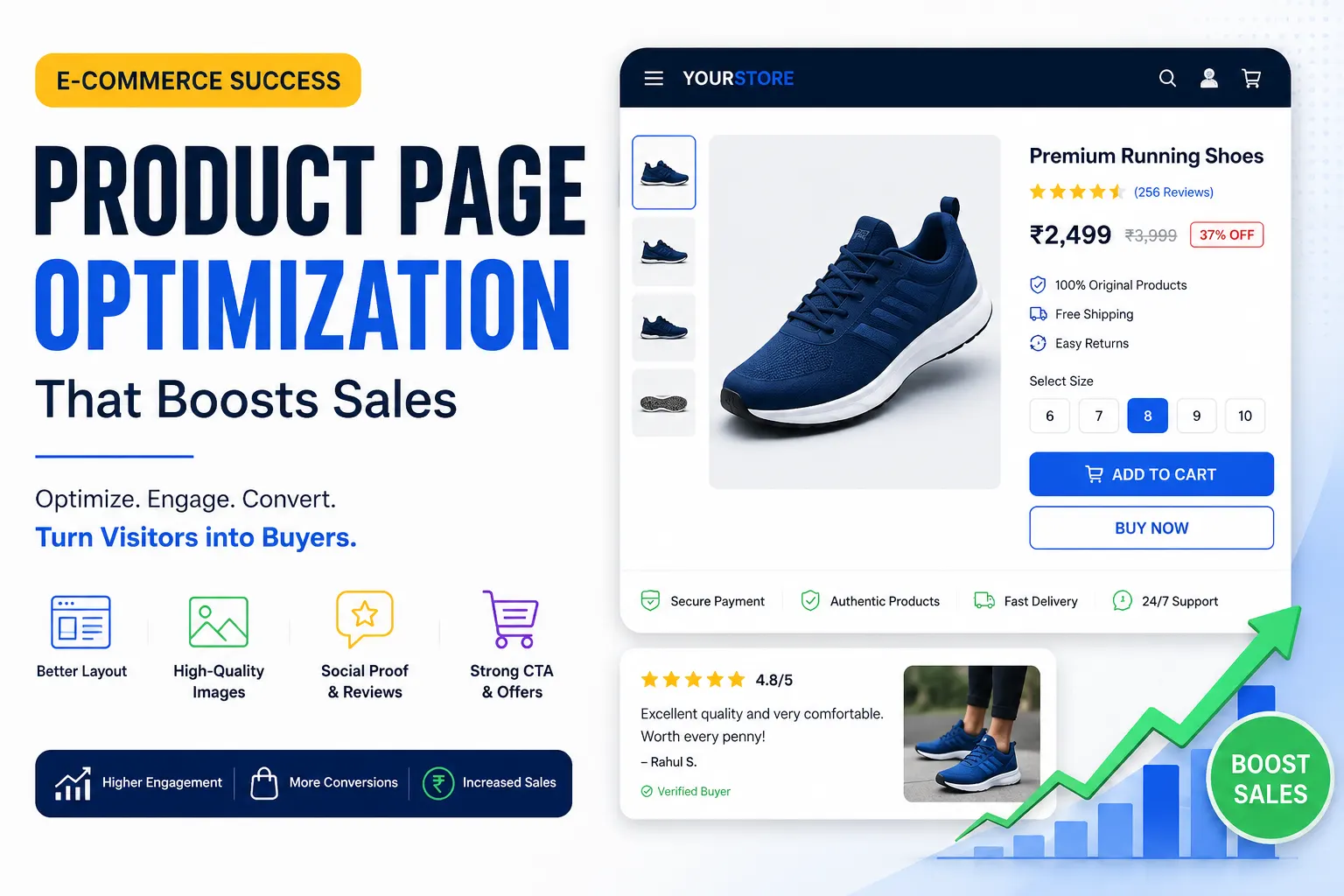
Improved Call-to-Action Placement
The original landing pages lacked clear conversion pathways.
The redesigned pages introduced:
- Strong CTA buttons
- Simplified forms
- Clear service messaging
- Trust-building sections
- Structured content hierarchy
These improvements helped guide users more effectively toward inquiries and conversions.
Better User Experience Design
Landing page layouts were redesigned to improve readability and user engagement.
The new structure included:
- Better typography
- Improved spacing
- Mobile-friendly layouts
- Clear value propositions
- Simplified navigation
User-friendly landing pages reduce friction during the conversion process.
Ad Copy and Creative Optimization
Advertising creatives strongly influence click-through rates and conversion performance.
Improved Ad Messaging
The ad copy was rewritten to better align with user search intent and customer pain points.
The updated messaging focused on:
- Clear value propositions
- Problem-solving benefits
- Service differentiation
- Conversion-focused language
- Audience relevance
Better messaging helped improve ad relevance scores and click quality.
Creative Testing and Performance Analysis
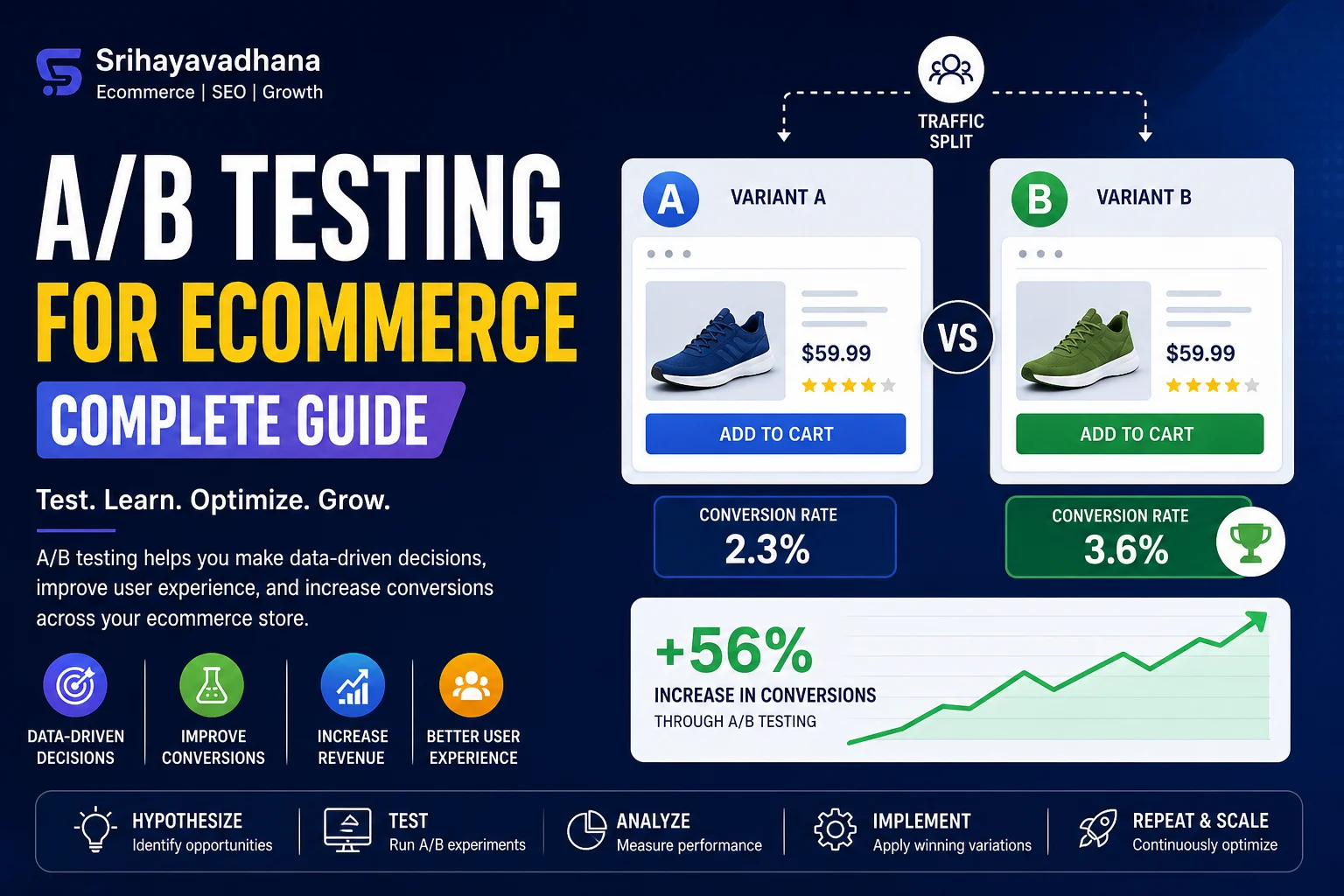
Multiple creative variations were tested to identify higher-performing combinations.
Testing included:
- Headlines
- Descriptions
- CTA wording
- Visual formats
- Audience combinations
Continuous testing allowed campaigns to improve gradually through performance-driven optimization.
Keyword and Search Intent Optimization
Search intent alignment became an important part of campaign refinement.
High-Intent Keyword Targeting
The optimization strategy prioritized keywords with stronger commercial intent.
This helped improve:
- Lead quality
- Conversion potential
- ROI efficiency
- Search relevance
Broad keywords were reduced to minimize irrelevant clicks and wasted budget.
Negative Keyword Refinement
Negative keywords were added to prevent ads from appearing for irrelevant searches.
This reduced:
- Low-quality traffic
- Wasted ad spend
- Poor engagement
- Inefficient clicks
Negative keyword optimization plays an important role in maintaining advertising efficiency.
Conversion Tracking and Analytics Improvements
Accurate tracking systems were implemented to improve campaign visibility and optimization accuracy.
Enhanced Conversion Tracking
Improved tracking systems measured:
- Form submissions
- Phone inquiries
- Landing page engagement
- Conversion pathways
- User interactions
Reliable data allowed better decision-making during campaign optimization.
Performance-Based Budget Allocation
Advertising budgets were redistributed based on performance data rather than assumptions.
Higher-performing campaigns received additional investment, while underperforming campaigns were refined or reduced.
This helped improve overall advertising efficiency.
SEO and Paid Ads Working Together
The project also demonstrated how SEO and paid advertising complement each other.
Organic optimization helped improve:
- Landing page quality
- User trust
- Content relevance
- Website authority
Stronger SEO foundations often improve paid advertising performance because search engines evaluate landing page quality when determining ad relevance.
Businesses looking for integrated SEO and advertising strategies can explore:
- <a href=”https://srihayavadhana.com/seo-company-in-coimbatore/”>SEO Company in Coimbatore</a>
- <a href=”https://srihayavadhana.com/ecommerce-website-development-complete-guide-for-2026/”>Ecommerce Website Development Guide</a>
Results Achieved After Campaign Optimization
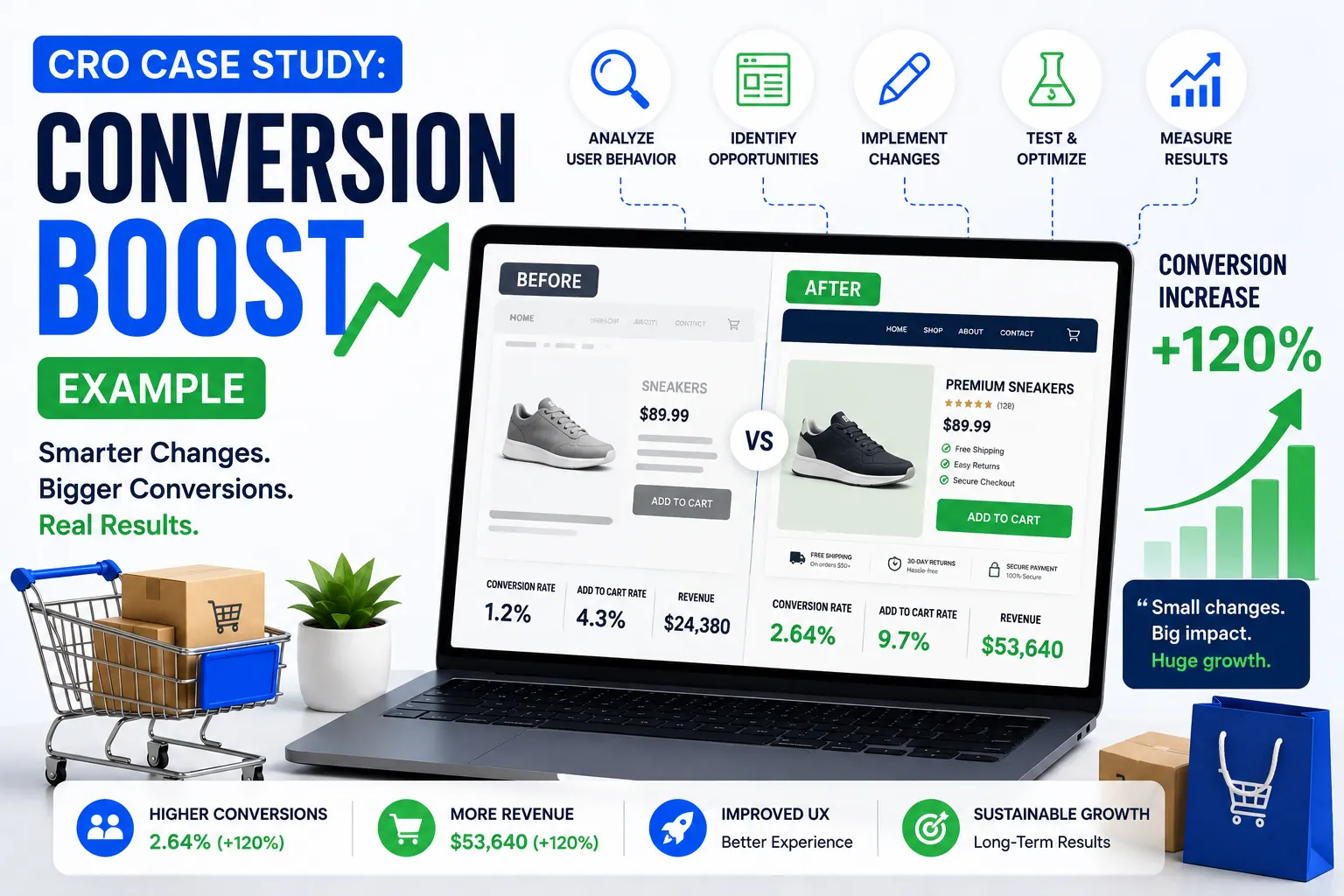
After implementing the optimization strategy, the campaigns experienced measurable improvements across multiple performance metrics.
Key Improvements Included
- Improved return on ad spend
- Higher lead quality
- Lower customer acquisition cost
- Better conversion rates
- Increased landing page engagement
- Improved click-through rates
- Reduced bounce rates
- Better mobile performance
The optimization strategy demonstrated how structured improvements can significantly improve advertising profitability.
Important Lessons Learned From the Paid Ads ROI Project
Several important insights emerged during the campaign optimization process.
Traffic Quality Matters More Than Traffic Volume
Generating large amounts of traffic does not guarantee conversions. High-quality targeted traffic produces stronger business results.
Landing Pages Directly Influence ROI
Even highly optimized ads can fail if landing pages do not support conversion-focused user experiences.
Data-Driven Optimization Is Essential
Accurate analytics and conversion tracking allow businesses to make better advertising decisions over time.
Continuous Optimization Improves Long-Term Performance
Paid advertising requires ongoing testing, refinement, and optimization to maintain profitability in competitive markets.
Best Practices for Businesses Planning Paid Advertising Campaigns
Businesses planning paid advertising strategies should focus on:
- Audience segmentation
- Landing page optimization
- Conversion tracking
- Mobile responsiveness
- Search intent targeting
- Creative testing
- Performance analysis
- Budget optimization
Businesses that approach advertising strategically often achieve stronger ROI and more sustainable growth.
Conclusion
Paid advertising can generate powerful business growth when campaigns are structured strategically and optimized continuously. Successful paid ads campaigns depend on much more than ad spend alone. Audience targeting, landing page experience, conversion tracking, mobile optimization, and data-driven decision-making all contribute to long-term ROI success.
This paid ads ROI case study demonstrates how strategic campaign optimization improved conversion performance, lead quality, customer acquisition efficiency, and overall business growth.
As digital advertising competition continues to increase, businesses that prioritize optimization, analytics, and user experience gain a significant advantage in advertising performance and long-term profitability.