Case Studies

Performance Optimization Case Study

Performance optimization case study showcasing improved website speed and user experience results in Coimbatore – Sri Hayavadhana

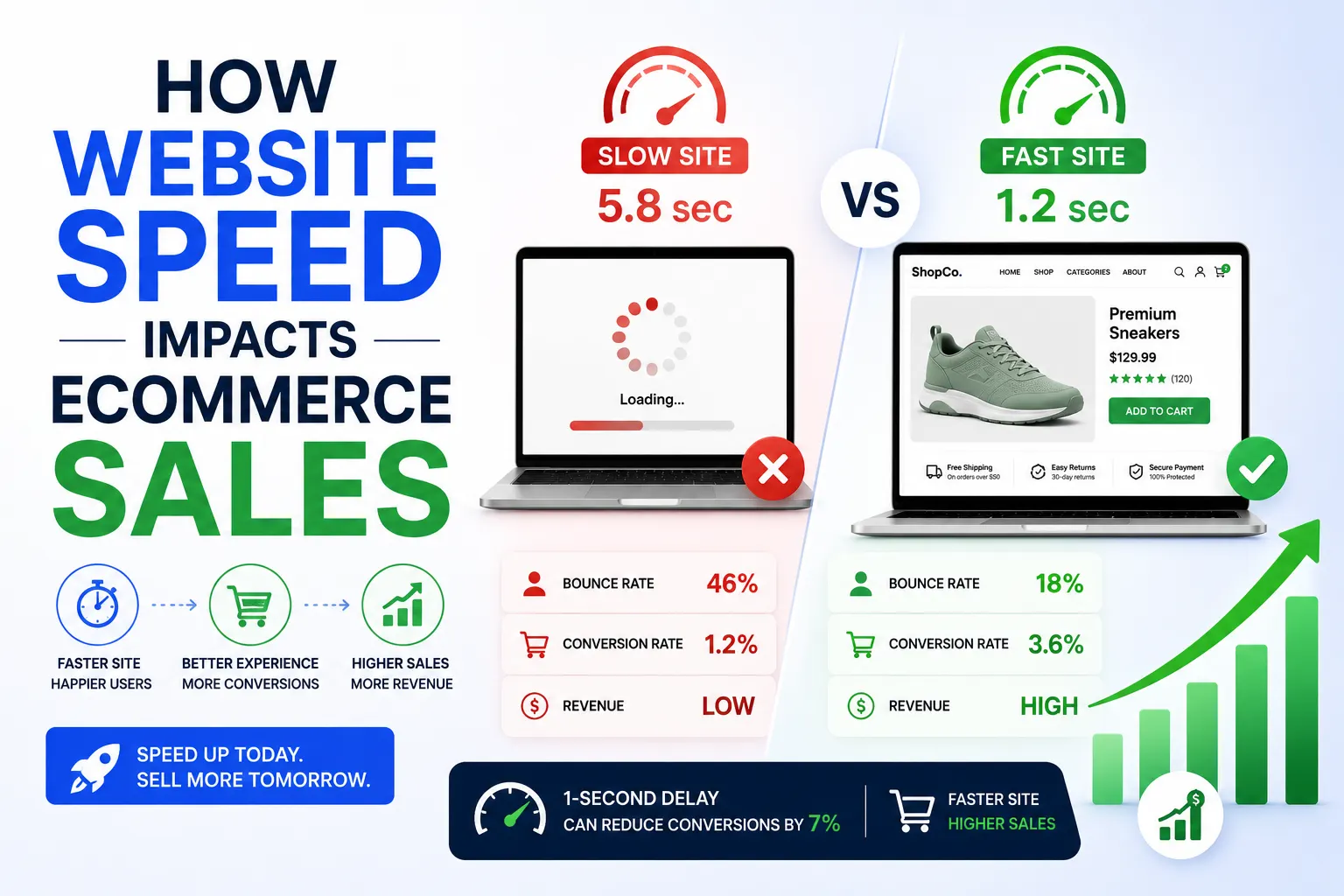
How Website Speed Improvements Increased SEO Rankings, User Engagement, and Conversion Rates

Website performance optimization has become one of the most important factors influencing digital success. Modern users expect websites to load quickly, respond smoothly, and provide a seamless browsing experience across desktops, tablets, and mobile devices. When a website becomes slow, unstable, or difficult to navigate, users often leave before exploring products, services, or important business information.

Performance optimization is no longer limited to technical improvements alone. It directly affects search engine rankings, conversion rates, customer trust, user satisfaction, and long-term business growth. Search engines prioritize fast and user-friendly websites because they provide better browsing experiences for visitors.

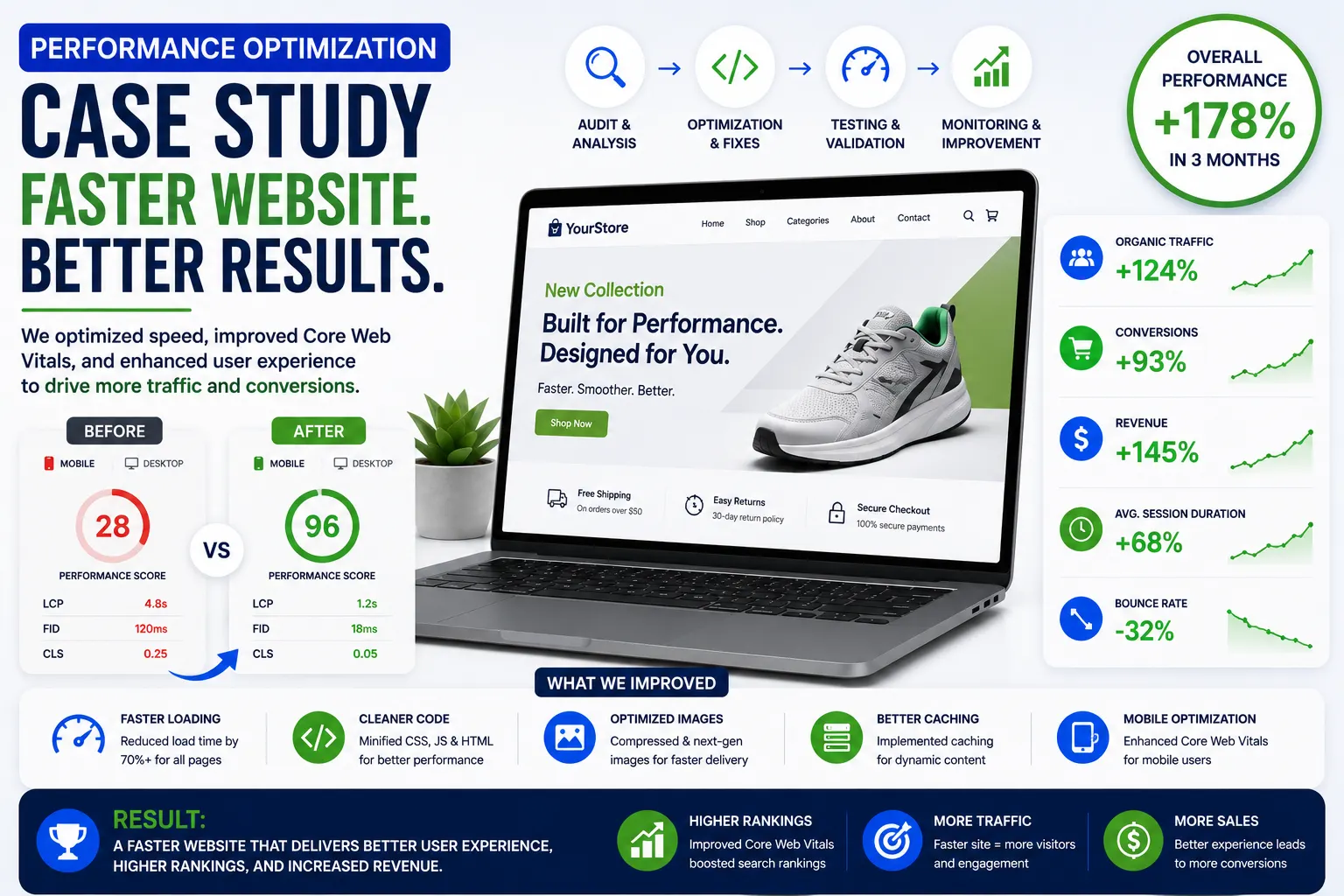
This performance optimization case study explains how a structured optimization strategy improved website speed, SEO performance, mobile usability, and customer engagement. The project involved technical audits, Core Web Vitals improvements, image optimization, frontend performance enhancements, and server-level optimization strategies.

Businesses planning to improve website performance can use this case study to understand how technical improvements contribute to measurable business outcomes.


Why Website Performance Optimization Matters

Many businesses invest heavily in website design and content creation but overlook performance optimization. Even visually impressive websites can struggle if pages load slowly or users experience lag during interactions.

Website speed influences almost every important digital marketing metric, including:

  • Organic search visibility
  • Bounce rate
  • Conversion rate
  • Session duration
  • Mobile usability
  • User trust
  • Lead generation
  • Ecommerce sales
  • Customer retention

A slow-loading website creates friction throughout the customer journey. Users today expect instant access to information, especially on mobile devices where browsing conditions may vary depending on network quality.

Performance optimization helps businesses create faster, smoother, and more reliable digital experiences that support both SEO and conversion growth.

Businesses looking for professional performance-focused development services can explore <a href=”https://srihayavadhana.com”>Sri Hayavadhana</a> for SEO-friendly website optimization and web development solutions.


Initial Website Performance Problems

Before optimization began, a complete technical audit was conducted to identify performance bottlenecks affecting both user experience and SEO rankings.

The website experienced several major performance issues across desktop and mobile environments.

Slow Page Loading Times

The website required several seconds to fully load important pages. Large image files, unoptimized scripts, excessive plugin usage, and inefficient frontend assets contributed to poor loading performance.

Users experienced delays when:

  • Opening landing pages
  • Browsing service pages
  • Loading product images
  • Navigating between sections
  • Submitting forms

Slow loading times negatively impacted engagement and reduced overall user satisfaction.


Poor Mobile Performance

The majority of website traffic originated from mobile devices. However, mobile users experienced slower rendering speeds, layout instability, and delayed interactions.

Mobile performance problems included:

  • Oversized images
  • Render-blocking scripts
  • Unoptimized CSS files
  • Heavy animations
  • Slow server response times

Because search engines now prioritize mobile-first indexing, improving mobile performance became a critical part of the optimization strategy.


Weak Core Web Vitals Scores

Core Web Vitals are important performance metrics used by search engines to evaluate user experience quality.

The website showed weak scores for:

  • Largest Contentful Paint (LCP)
  • Cumulative Layout Shift (CLS)
  • Interaction responsiveness
  • First input responsiveness

These issues affected both user experience and SEO visibility.


Technical Audit and Performance Analysis

A comprehensive audit was conducted before implementing any optimization changes.

The audit included:

  • Page speed analysis
  • Mobile usability testing
  • Core Web Vitals evaluation
  • Script performance review
  • Image optimization analysis
  • Hosting infrastructure review
  • Caching analysis
  • Database performance evaluation

The goal was to identify both frontend and backend bottlenecks affecting performance.


Website Performance Optimization Strategy

The optimization strategy focused on improving loading speed, mobile responsiveness, frontend efficiency, and server performance simultaneously.

The project prioritized:

  1. Faster loading times
  2. Improved mobile experience
  3. Better Core Web Vitals scores
  4. SEO performance improvements
  5. Reduced bounce rates
  6. Higher conversion potential

Every optimization decision was aligned with long-term scalability and maintainability.


Image Optimization Improvements

Large media files were one of the biggest contributors to slow loading times.

Converting Images to Modern Formats

Many original images used outdated JPG and PNG formats with unnecessarily large file sizes. During optimization, images were converted into modern formats such as WebP for better compression and faster loading.

This helped reduce page weight significantly without compromising visual quality.


Lazy Loading Implementation

Lazy loading was implemented to delay image loading until users scrolled near the relevant section.

This optimization reduced:

  • Initial page load size
  • Bandwidth consumption
  • Rendering delays
  • Mobile loading pressure

Lazy loading improved both perceived performance and actual loading speed.


Responsive Image Delivery

Responsive image techniques were implemented to ensure users received appropriately sized images depending on their device resolution and screen size.

Mobile users no longer downloaded oversized desktop images unnecessarily, helping improve mobile performance metrics.


Frontend Performance Optimization

Frontend optimization focused on reducing unnecessary rendering delays and improving browser efficiency.

CSS and JavaScript Optimization

Several frontend files contained unused code and inefficient scripts that slowed page rendering.

Optimization improvements included:

  • CSS minification
  • JavaScript compression
  • Removal of unused assets
  • Deferred script loading
  • Reduced render-blocking resources

These changes helped improve page responsiveness and visual loading speed.


Improved Font Loading

Web fonts were optimized to reduce rendering delays.

Techniques included:

  • Font preloading
  • Limiting unnecessary font variations
  • Reducing external font requests

This helped improve visual stability and reduce layout shifting during page loading.


Layout Stability Improvements

Several elements on the old website shifted unexpectedly while loading. This negatively impacted user experience and Core Web Vitals scores.

To improve layout stability:

  • Image dimensions were predefined
  • Dynamic content containers were stabilized
  • Spacing inconsistencies were corrected
  • Responsive layouts were refined

These changes improved visual consistency across devices.


Server and Backend Optimization

Frontend improvements alone cannot fully optimize website performance. Backend infrastructure also plays a major role.

Hosting Environment Improvements

The website hosting environment was upgraded to improve server response speed and scalability.

Key backend improvements included:

  • Faster server configuration
  • Improved caching systems
  • Database optimization
  • Reduced server processing delays
  • Better resource allocation

Server-level optimizations helped reduce Time to First Byte (TTFB) and improved overall responsiveness.


Caching Configuration

Advanced caching strategies were implemented to reduce repeated server requests.

Caching improvements included:

  • Browser caching
  • Server-side caching
  • Asset caching
  • CDN integration strategies

Caching significantly improved repeat visit performance and reduced unnecessary server load.


Mobile Optimization Enhancements

Mobile usability became a major focus throughout the optimization process.

Responsive Design Improvements

Several sections were redesigned for better mobile responsiveness.

Optimization improvements included:

  • Flexible layouts
  • Improved touch interactions
  • Mobile-friendly spacing
  • Responsive typography
  • Optimized buttons and forms

The redesigned mobile experience improved navigation clarity and usability.


Reduced Mobile Resource Usage

Mobile devices often operate under limited bandwidth conditions. Resource optimization helped improve accessibility for users across different network environments.

Optimizations included:

  • Reduced script execution
  • Smaller image delivery
  • Compressed assets
  • Prioritized content loading

These improvements created smoother browsing experiences on smartphones and tablets.


SEO Benefits of Performance Optimization

Performance optimization directly contributed to improved SEO performance.

Improved Crawl Efficiency

Faster websites allow search engine crawlers to access and index pages more efficiently.

The optimization project improved:

  • Crawl accessibility
  • Page rendering efficiency
  • Internal page discovery
  • Mobile indexing performance

Search engines favor technically optimized websites because they deliver better user experiences.


Better User Engagement Signals

After optimization, users spent more time interacting with the website.

Improved engagement metrics included:

  • Lower bounce rates
  • Longer session duration
  • Higher page views
  • Better interaction rates

These behavioral improvements support stronger long-term SEO performance.


Enhanced Core Web Vitals Performance

The optimization strategy significantly improved Core Web Vitals scores.

Key improvements included:

  • Faster Largest Contentful Paint
  • Reduced layout shifting
  • Better interaction responsiveness
  • Improved mobile performance scores

Core Web Vitals improvements strengthened both SEO visibility and user satisfaction.

Businesses interested in improving SEO and technical website performance can explore:

  • <a href=”https://srihayavadhana.com/seo-company-in-coimbatore/”>SEO Company in Coimbatore</a>
  • <a href=”https://srihayavadhana.com/web-development-company-in-coimbatore/”>Web Development Company</a>
  • <a href=”https://srihayavadhana.com/ecommerce-website-development-complete-guide-for-2026/”>Ecommerce Website Development Guide</a>

Conversion Rate Improvements After Optimization

Performance optimization improved more than technical metrics alone.

Users experienced:

  • Faster page interactions
  • Smoother browsing
  • Reduced frustration
  • Better trust perception
  • Easier navigation

These improvements helped increase conversion opportunities throughout the website.

Better performance often leads to stronger lead generation because users can access information quickly without unnecessary delays.


Results Achieved After Website Optimization

After implementing the optimization strategy, the website experienced measurable improvements across multiple performance indicators.

Key Improvements Included

  • Faster loading speeds
  • Better mobile responsiveness
  • Improved Core Web Vitals scores
  • Lower bounce rates
  • Increased engagement duration
  • Improved SEO rankings
  • Better conversion performance
  • Reduced server load

The project demonstrated how technical optimization directly supports long-term business growth.


Important Lessons Learned From the Optimization Project

Several important insights emerged during the optimization process.

Performance Should Be Continuous

Website optimization is not a one-time task. Regular monitoring and maintenance are necessary to maintain performance as websites grow.


Mobile Optimization Is Essential

Modern websites must prioritize mobile performance because mobile users now represent a major portion of internet traffic.


Technical SEO and Performance Work Together

SEO performance improves significantly when websites provide faster and smoother user experiences.


Large Media Files Can Hurt Performance

Proper image optimization remains one of the most impactful website speed improvements available for most businesses.


Best Practices for Businesses Planning Website Performance Optimization

Businesses planning optimization projects should begin with a detailed performance audit.

Important optimization priorities include:

  • Core Web Vitals analysis
  • Mobile responsiveness testing
  • Image compression
  • Script optimization
  • Hosting improvements
  • Caching strategies
  • Technical SEO review
  • Frontend performance optimization

Businesses that approach optimization strategically often experience stronger search visibility, improved user engagement, and better conversion performance.


Conclusion

Website performance optimization plays a critical role in modern digital success. Fast-loading websites create better user experiences, improve SEO rankings, increase customer trust, and support higher conversion rates.

This performance optimization case study demonstrates how technical improvements across frontend development, backend infrastructure, mobile responsiveness, and Core Web Vitals can produce measurable business results.

As digital competition continues to increase, businesses that prioritize website speed and user experience gain a significant advantage in search visibility and customer engagement.

Investing in long-term website performance optimization helps businesses build scalable, reliable, and conversion-focused digital platforms that support sustainable online growth.