Tools & Resources

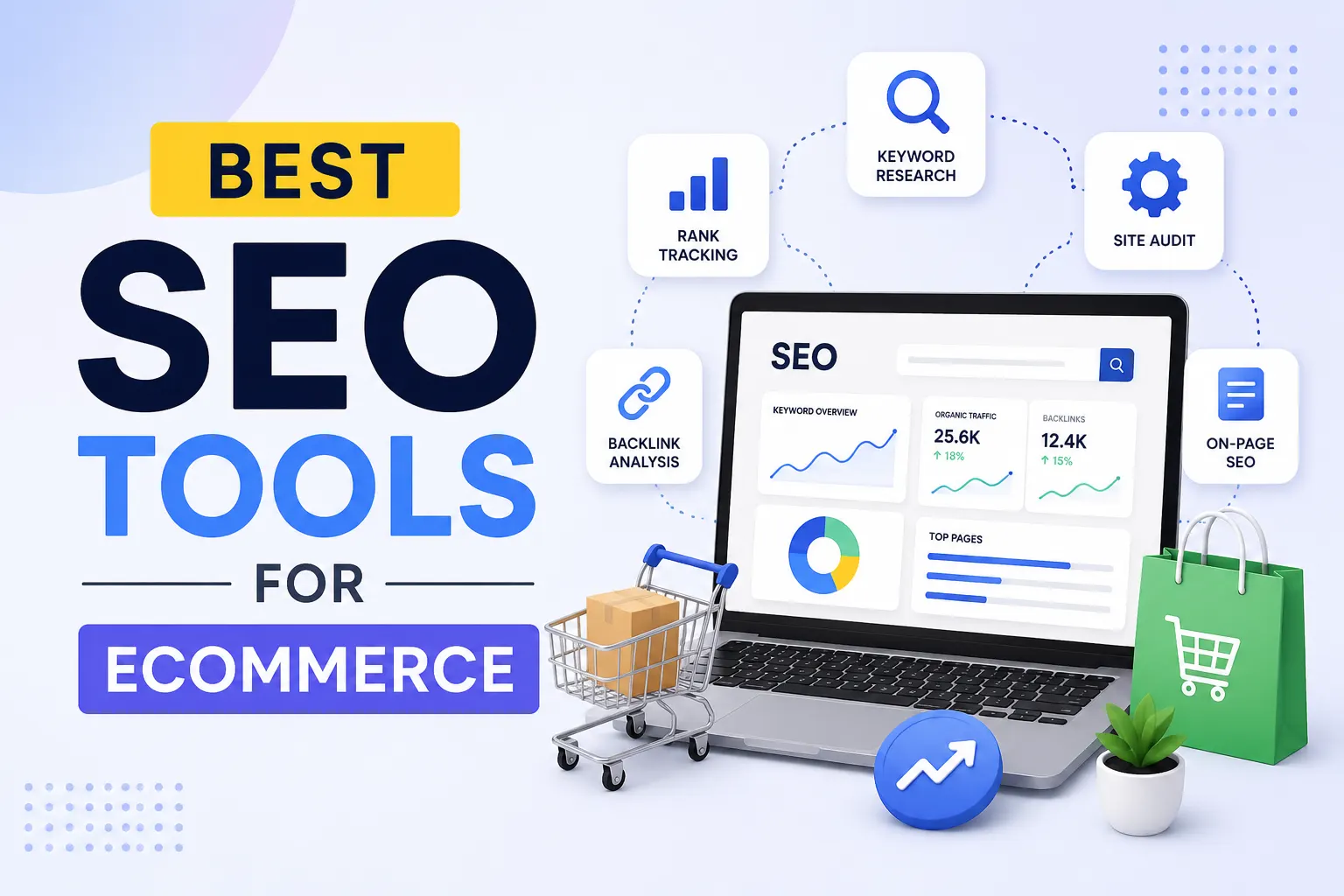
Best SEO Tools for Ecommerce

Best SEO tools for ecommerce to improve search rankings and drive organic traffic to online stores in Coimbatore – Sri Hayavadhana

Introduction

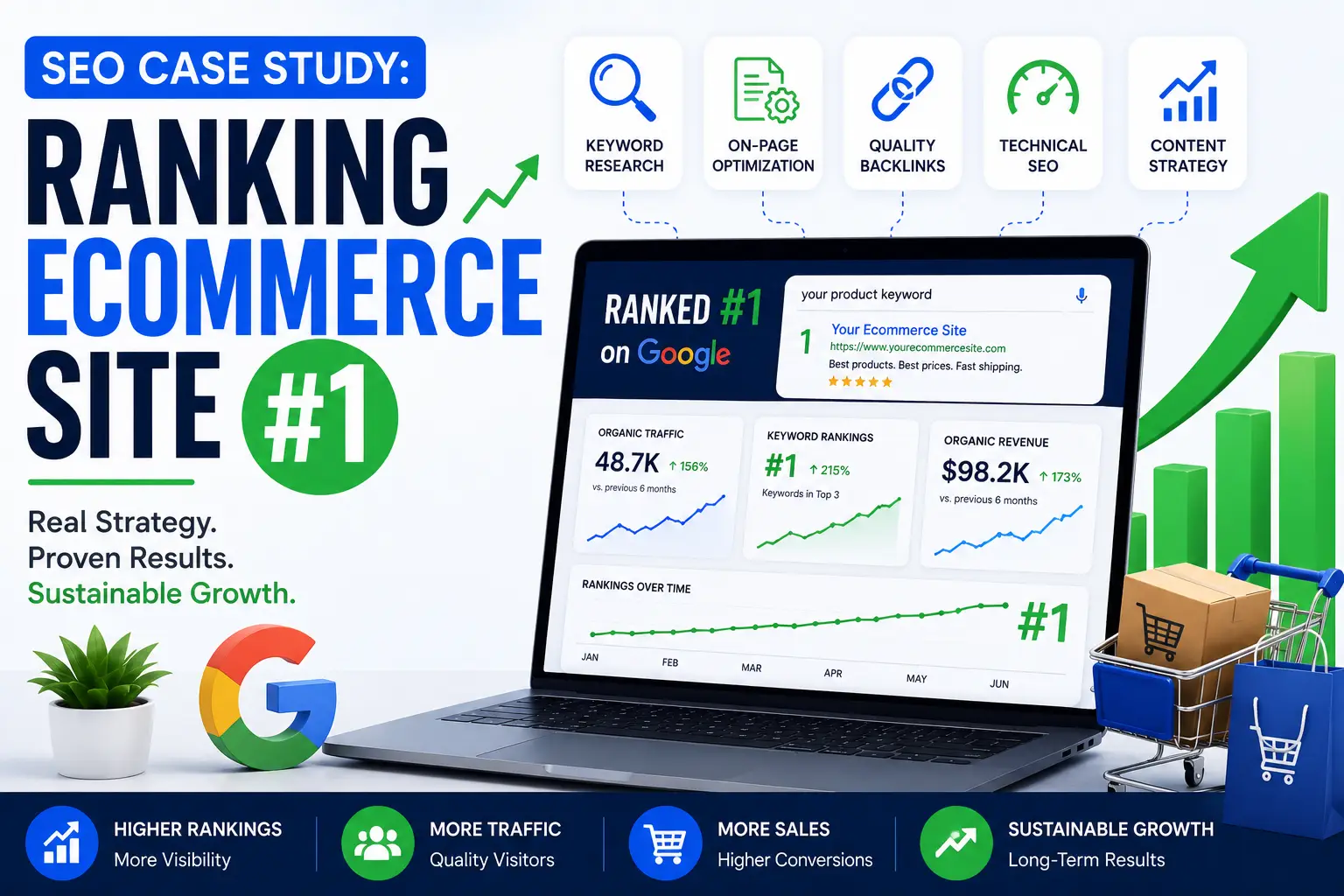
Search engine optimization has become one of the most important growth channels for eCommerce businesses. As advertising costs continue increasing across Google Ads, Meta Ads, TikTok Ads, and marketplaces, many online stores are focusing more heavily on long-term organic traffic strategies. SEO helps eCommerce businesses generate consistent visitors, reduce dependency on paid advertising, and improve profitability over time.

However, modern eCommerce SEO is significantly more complex than traditional website optimization. Online stores contain hundreds or even thousands of product pages, collection pages, filters, faceted navigation systems, dynamic URLs, duplicate content issues, technical SEO challenges, structured data requirements, and constantly changing inventory.

Because of this complexity, SEO tools have become essential for eCommerce success. The right tools help businesses identify keyword opportunities, monitor rankings, optimize technical SEO, improve page speed, analyze competitors, automate workflows, and scale content strategies efficiently.

Without SEO tools, eCommerce businesses often struggle to:

  • Identify profitable keywords
  • Monitor organic visibility
  • Detect indexing problems
  • Optimize product pages
  • Improve technical SEO
  • Track backlinks
  • Analyze competitors
  • Measure SEO ROI
  • Improve site architecture
  • Scale content marketing

In 2026, SEO tools are no longer optional for serious eCommerce brands. They are now critical operational systems that support long-term search visibility and sustainable online growth.

According to industry research from multiple SEO platforms, organic search continues delivering some of the highest ROI among digital marketing channels for online retailers. Businesses that invest in SEO infrastructure often achieve stronger long-term profitability than businesses relying entirely on paid advertising.

This comprehensive guide explains the best SEO tools for eCommerce in 2026. It covers:

  • Keyword research tools
  • Technical SEO tools
  • Site audit platforms
  • Competitor analysis software
  • Link-building tools
  • Content optimization platforms
  • AI-powered SEO tools
  • Shopify SEO tools
  • WooCommerce SEO tools
  • Enterprise SEO platforms
  • Local SEO tools for eCommerce
  • Analytics and reporting tools

The goal is not simply to list tools. Instead, this guide explains how each tool helps solve specific eCommerce SEO challenges and how businesses can build an effective SEO stack for sustainable growth.


Why SEO Tools Matter for eCommerce Websites

eCommerce websites are structurally different from standard business websites or blogs. They contain dynamic inventories, product variations, filtering systems, transactional pages, category structures, and seasonal product updates.

Managing SEO manually at scale becomes nearly impossible.

For example, a small online store with:

  • 500 products
  • 40 categories
  • 5 filter systems
  • Multiple image variations
  • Product reviews
  • User-generated pages

can easily generate thousands of URLs.

Without SEO tools, store owners may not even realize:

  • Which pages are indexed
  • Which products rank
  • Which pages have duplicate content
  • Which backlinks are helping rankings
  • Which keywords generate revenue
  • Which pages have crawl errors
  • Which technical issues hurt SEO

SEO tools provide visibility into these critical areas.

Modern eCommerce SEO also depends heavily on data-driven decision-making. Businesses that monitor search trends, keyword movements, competitor performance, and user behavior consistently outperform businesses making assumptions without data.

Recent industry studies also show that technical SEO, structured data, page speed, and content quality are increasingly important ranking factors for eCommerce websites.

SEO tools help businesses optimize these areas efficiently.


How to Choose the Best SEO Tools for eCommerce

Not every SEO tool is suitable for online stores. eCommerce businesses should evaluate tools based on scalability, technical capabilities, integrations, reporting accuracy, and workflow efficiency.

Scalability

A tool that works for a 20-product store may not work for a 50,000-product catalog.

Scalable SEO tools should support:

  • Large site crawls
  • Bulk optimization
  • API integrations
  • Enterprise reporting
  • Multi-user collaboration

Technical SEO Features

eCommerce SEO depends heavily on technical optimization.

Strong tools should help manage:

  • Canonical tags
  • Crawl errors
  • Indexation
  • Structured data
  • Duplicate content
  • Core Web Vitals
  • Mobile usability
  • Redirect management

Keyword Research Accuracy

eCommerce keyword research requires commercial intent analysis.

Tools should identify:

  • Transactional keywords
  • Product-focused queries
  • Seasonal trends
  • Competitor gaps
  • Buyer intent variations

Integration Capabilities

The best eCommerce SEO tools integrate with:

  • Shopify
  • WooCommerce
  • Magento
  • Google Analytics
  • Google Search Console
  • Google Merchant Center
  • CRM systems

Reporting and Automation

SEO reporting consumes significant time.

Advanced tools automate:

  • Rank tracking
  • Technical audits
  • Keyword monitoring
  • Backlink alerts
  • Competitor analysis

Automation improves efficiency and scalability.


Best Keyword Research Tools for eCommerce SEO

Keyword research forms the foundation of every successful eCommerce SEO strategy.

Semrush

Semrush remains one of the most comprehensive SEO platforms available.

It supports:

  • Keyword research
  • Competitor analysis
  • Rank tracking
  • Technical audits
  • Content optimization
  • Backlink analysis

For eCommerce businesses, Semrush is particularly valuable because it helps identify commercial-intent keywords that generate revenue rather than only traffic.

Key features include:

  • Keyword Magic Tool
  • Product-focused keyword clustering
  • Shopping competitor analysis
  • SERP feature tracking
  • SEO content templates

Semrush is widely used by both agencies and enterprise eCommerce brands.


Ahrefs

Ahrefs is one of the most respected SEO tools in the industry.

Its strengths include:

  • Massive backlink database
  • Keyword difficulty analysis
  • Competitor research
  • Content gap analysis
  • Organic traffic estimation

For eCommerce businesses, Ahrefs helps uncover:

  • High-converting keywords
  • Product category opportunities
  • Competitor backlink strategies
  • Ranking opportunities

The platform is especially valuable for link-building campaigns and competitor analysis.


Google Keyword Planner

Google Keyword Planner remains useful for discovering keyword ideas directly from Google’s advertising ecosystem.

Although primarily designed for advertisers, it still helps eCommerce businesses identify:

  • Search volume trends
  • Product-related keywords
  • Seasonal demand
  • Geographic search behavior

Businesses often combine Keyword Planner with other SEO platforms for more advanced analysis.

Official website: Google Keyword Planner


Keywords Everywhere

Keywords Everywhere is a browser-based SEO extension that displays keyword metrics directly within search results.

It helps eCommerce marketers analyze:

  • Search volumes
  • CPC data
  • Competition levels
  • Related keywords

The tool is lightweight and useful for quick keyword validation.

Official website: Keywords Everywhere


Best Technical SEO Tools for eCommerce

Technical SEO is one of the most important aspects of eCommerce optimization.

Large online stores frequently encounter:

  • Crawl inefficiencies
  • Duplicate pages
  • Faceted navigation problems
  • Index bloat
  • Slow page speed
  • Structured data issues

Technical SEO tools help identify and resolve these problems.

Screaming Frog SEO Spider

Screaming Frog is one of the most powerful technical SEO crawlers available.

It helps businesses analyze:

  • Broken links
  • Redirect chains
  • Duplicate content
  • Meta tags
  • Canonical issues
  • Structured data
  • Crawl depth
  • Internal linking

For eCommerce stores, Screaming Frog is essential for auditing large catalogs efficiently.

SEO professionals widely use it for advanced technical analysis.


Sitebulb

Sitebulb provides visual technical SEO auditing.

Its strengths include:

  • Visual crawl reports
  • SEO prioritization
  • Internal linking analysis
  • Structured data validation
  • Mobile optimization reports

The visual interface makes technical SEO easier for teams that need readable reporting.


Google Search Console

Google Search Console is one of the most important free SEO tools.

It helps eCommerce businesses monitor:

  • Indexing status
  • Search performance
  • Mobile usability
  • Core Web Vitals
  • Crawl issues
  • Structured data errors

Search Console provides direct insights from Google itself.

Every eCommerce website should integrate it immediately.

Official website: Google Search Console


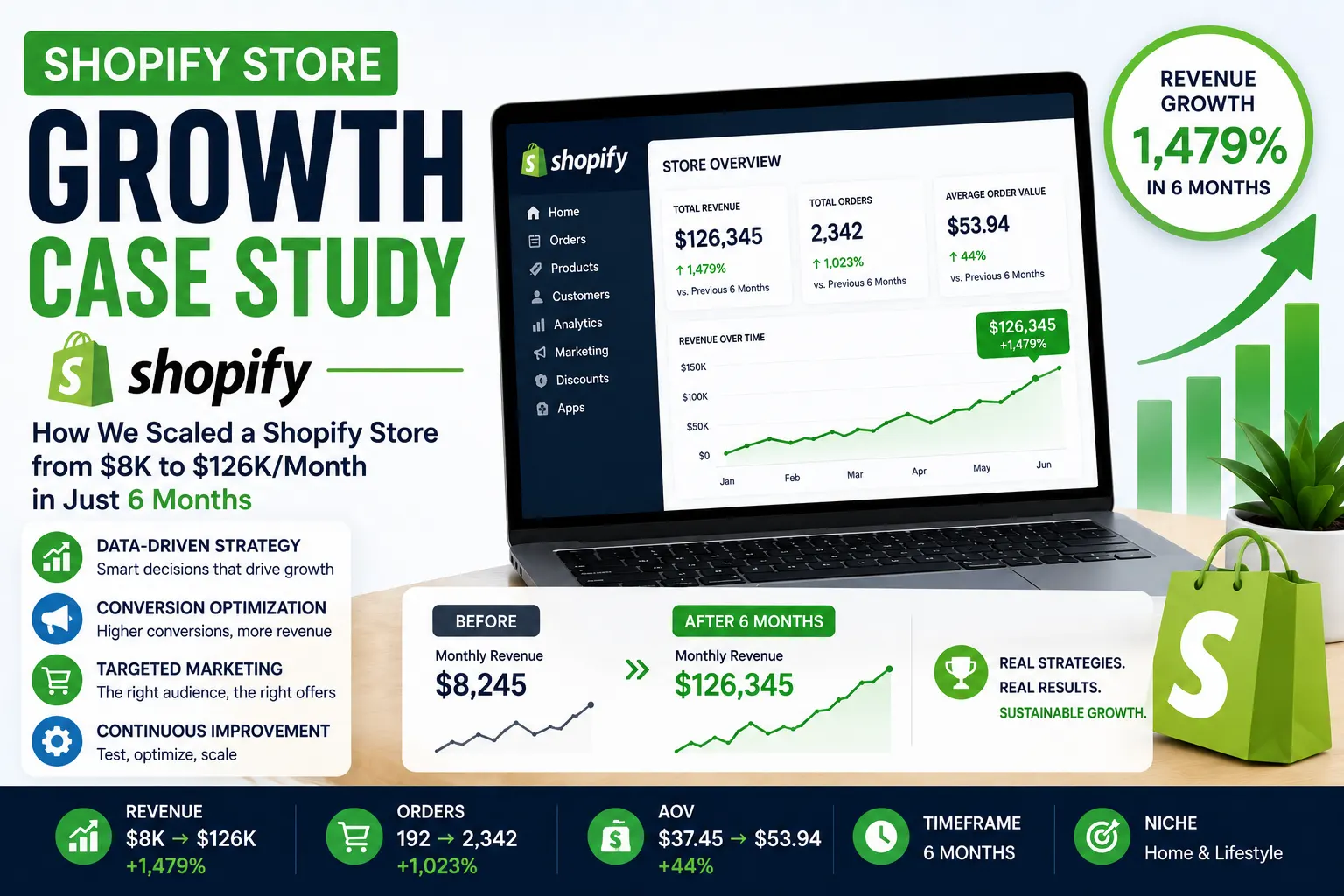
Best SEO Tools for Shopify Stores

Shopify has unique SEO limitations and opportunities.

Several specialized SEO tools help Shopify merchants optimize their stores more effectively.

Smart SEO

Smart SEO automates many SEO tasks within Shopify.

Features include:

  • Meta tag automation
  • JSON-LD structured data
  • Image optimization
  • Broken link management
  • Alt text generation

It is especially useful for large Shopify catalogs.

Official website: Smart SEO


Booster SEO

Booster SEO focuses heavily on automation and beginner-friendly optimization.

It helps merchants improve:

  • Meta tags
  • Image optimization
  • Site speed
  • SEO audits
  • Broken links

The app simplifies SEO workflows for non-technical users.

Official website: Booster SEO


TinyIMG

Image optimization plays a major role in Shopify SEO.

TinyIMG improves:

  • Image compression
  • Site speed
  • Core Web Vitals
  • Mobile performance

Fast-loading Shopify stores typically perform better in search rankings and conversions.

Official website: TinyIMG


Best SEO Tools for WooCommerce

WooCommerce websites require WordPress-focused SEO tools.

Yoast SEO

Yoast SEO remains one of the most popular WordPress SEO plugins.

It helps optimize:

  • Meta titles
  • Meta descriptions
  • XML sitemaps
  • Readability
  • Schema markup

Yoast is widely used by WooCommerce stores of all sizes.

Official website: Yoast SEO


Rank Math

Rank Math has grown rapidly due to its advanced features and flexible interface.

Key capabilities include:

  • Schema generation
  • Content optimization
  • Keyword tracking
  • Redirect management
  • WooCommerce SEO support

Many eCommerce businesses prefer Rank Math for its extensive automation features.

Official website: Rank Math


Best AI SEO Tools for eCommerce

Artificial intelligence is reshaping SEO workflows.

AI tools help businesses:

  • Generate content ideas
  • Optimize product descriptions
  • Cluster keywords
  • Analyze search intent
  • Improve efficiency

Surfer SEO

Surfer SEO focuses on content optimization through data analysis.

It helps eCommerce businesses optimize:

  • Category pages
  • Blog content
  • Buying guides
  • Product descriptions

The platform analyzes ranking factors from top-performing pages.

Official website: Surfer SEO


Clearscope

Clearscope helps businesses create content aligned with search intent.

It provides:

  • Topic suggestions
  • Semantic keyword analysis
  • Readability guidance
  • Content grading

The platform is particularly useful for long-form eCommerce content marketing.

Official website: Clearscope


Frase

Frase combines AI writing assistance with SEO research.

Features include:

  • AI content generation
  • SERP analysis
  • Question research
  • Content briefs

It helps eCommerce brands scale content production efficiently.

Official website: Frase


Best Link Building Tools for eCommerce SEO

Backlinks remain important ranking signals.

eCommerce businesses use link-building tools to improve domain authority and organic visibility.

Majestic

Majestic specializes in backlink intelligence.

It provides:

  • Trust Flow analysis
  • Citation Flow metrics
  • Link history
  • Competitor backlink research

The tool helps businesses evaluate backlink quality.

Official website: Majestic


BuzzStream

BuzzStream supports outreach and relationship management.

It helps SEO teams manage:

  • Influencer outreach
  • Blogger campaigns
  • PR relationships
  • Link-building workflows

The platform improves outreach efficiency.

Official website: BuzzStream


Best SEO Analytics Tools for eCommerce

SEO without analytics leads to poor decision-making.

Analytics tools help businesses understand:

  • Organic traffic trends
  • Revenue attribution
  • User behavior
  • Conversion paths

Google Analytics 4

GA4 remains essential for eCommerce analytics.

It tracks:

  • Organic conversions
  • Revenue attribution
  • User engagement
  • Customer journeys
  • Traffic behavior

GA4 integrates closely with Google Search Console and Google Ads.

Official website: Google Analytics


Looker Studio

Looker Studio helps businesses create SEO dashboards and reporting systems.

It combines data from:

  • GA4
  • Search Console
  • Semrush
  • Ahrefs
  • Google Ads

Custom dashboards simplify reporting for stakeholders and clients.

Official website: Looker Studio


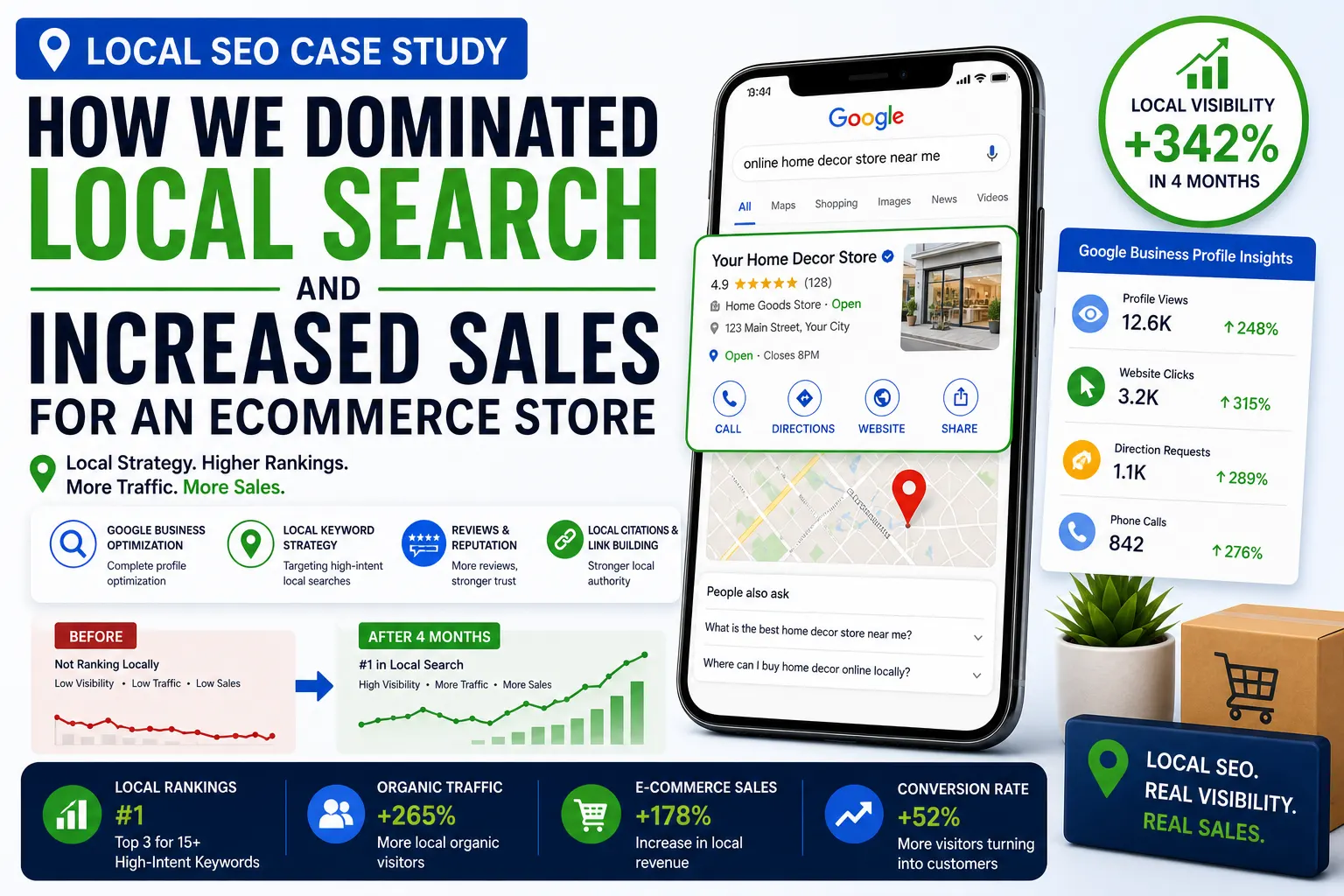
Best Local SEO Tools for eCommerce Businesses

Many eCommerce businesses also target local markets through hybrid retail models.

BrightLocal

BrightLocal supports local SEO management.

Features include:

  • Citation tracking
  • Google Business Profile monitoring
  • Local ranking analysis
  • Review management

It is valuable for eCommerce businesses with physical locations.

Official website: BrightLocal


Whitespark

Whitespark focuses on local citation building and local ranking optimization.

It helps businesses improve visibility in local search results.

Official website: Whitespark


Best Content Optimization Tools for eCommerce

Content marketing remains essential for organic traffic growth.

Grammarly

Readable content improves user experience and engagement.

Grammarly helps improve:

  • Grammar
  • Clarity
  • Tone
  • Readability

Strong readability also supports SEO indirectly through better engagement metrics.

Official website: Grammarly


Hemingway Editor

Hemingway improves content readability by identifying:

  • Long sentences
  • Passive voice
  • Complex phrasing

Readable content helps improve user experience across eCommerce blogs and buying guides.

Official website: Hemingway Editor


Common SEO Mistakes eCommerce Businesses Make

Even with strong SEO tools, many businesses make critical mistakes.

Ignoring Technical SEO

Many stores focus only on keywords while neglecting:

  • Crawl issues
  • Site speed
  • Duplicate content
  • Mobile optimization

Technical SEO problems can severely limit rankings.

Using Too Many Plugins

Excessive plugins can:

  • Slow websites
  • Create conflicts
  • Increase security risks

Businesses should prioritize lightweight, scalable tools.

Poor Category Page Optimization

Category pages are often major revenue drivers.

Weak category optimization limits organic traffic growth.

Thin Product Descriptions

Copying manufacturer descriptions creates duplicate content problems.

Unique product content improves SEO and conversions.

Ignoring Search Intent

Ranking for irrelevant keywords generates low-converting traffic.

Businesses should focus on transactional intent and buyer-focused queries.


Building the Ideal eCommerce SEO Tool Stack

The best SEO stack depends on business size and goals.

Beginner SEO Stack

Small eCommerce stores can start with:

  • Google Search Console
  • GA4
  • Yoast SEO or Smart SEO
  • Ahrefs Webmaster Tools
  • TinyIMG

This setup covers essential SEO functionality without excessive costs.


Intermediate SEO Stack

Growing stores may add:

  • Semrush
  • Screaming Frog
  • Surfer SEO
  • Looker Studio
  • BrightLocal

These tools support scaling SEO campaigns.


Enterprise SEO Stack

Large eCommerce brands often use:

  • Semrush Enterprise
  • Ahrefs
  • Sitebulb
  • Clearscope
  • Triple Whale
  • Custom dashboards
  • Advanced crawl systems

Enterprise SEO requires deeper automation and reporting.


The Future of eCommerce SEO Tools

SEO tools continue evolving rapidly.

Several major trends are shaping the future.

AI-Powered SEO Automation

AI increasingly supports:

  • Content generation
  • SERP analysis
  • Search intent mapping
  • Internal linking
  • Technical recommendations

However, human oversight remains essential for quality control.

Real-Time SEO Monitoring

Future SEO tools will increasingly provide:

  • Live ranking changes
  • Instant technical alerts
  • Automated anomaly detection

Predictive SEO

AI models will increasingly predict:

  • Keyword trends
  • Seasonal opportunities
  • Competitor movements
  • Traffic forecasts

Deeper Analytics Integration

SEO platforms continue integrating with:

  • CRM systems
  • Revenue platforms
  • Inventory systems
  • Customer lifetime value data

SEO is becoming more business-focused rather than purely traffic-focused.


Why Professional SEO Strategy Still Matters

SEO tools provide data and automation, but strategy remains critical.

Many businesses install expensive tools without understanding:

  • Search intent
  • Information architecture
  • Content strategy
  • Technical implementation
  • Conversion optimization

Tools alone do not guarantee rankings.

Professional SEO implementation combines:

  • Technical expertise
  • Content strategy
  • UX optimization
  • Analytics interpretation
  • Conversion-focused SEO

Businesses often work with experienced SEO agencies to build scalable eCommerce SEO systems.

For advanced eCommerce SEO implementation, businesses can explore professional services from Sri Hayavadhana Solutions


Final Thoughts

SEO tools have become essential infrastructure for modern eCommerce businesses. As search competition increases and advertising costs continue rising, businesses that invest in scalable SEO systems gain stronger long-term profitability and organic visibility.

The best SEO tools for eCommerce help businesses:

  • Identify profitable keywords
  • Improve technical SEO
  • Monitor rankings
  • Analyze competitors
  • Optimize content
  • Improve page speed
  • Track backlinks
  • Scale organic growth

However, the most effective SEO strategies combine the right tools with strong technical implementation, content quality, user experience optimization, and long-term strategic planning.

Businesses should avoid focusing only on rankings. Successful eCommerce SEO also improves:

  • Conversions
  • Customer trust
  • Site usability
  • Brand authority
  • Revenue growth

As AI, automation, and analytics continue transforming search optimization, businesses that adopt modern SEO workflows early will be better positioned for sustainable online growth in 2026 and beyond.

For businesses planning long-term organic growth, combining professional SEO strategy with scalable eCommerce development can create a stronger competitive advantage. Learn more about eCommerce SEO and development services at Sri Hayavadhana Solutions