The Complete Guide to Choosing the Right Advertising Strategy for Online Stores
Digital advertising has become one of the most important growth drivers for ecommerce businesses. Whether an online store sells fashion products, electronics, furniture, beauty products, health supplements, home decor, or niche lifestyle products, paid advertising plays a major role in customer acquisition, brand awareness, and revenue growth.
Among all digital advertising platforms, Google Ads and Facebook Ads remain two of the most powerful and widely used advertising systems for ecommerce businesses worldwide. Both platforms offer advanced targeting capabilities, large user bases, AI-powered optimization systems, and strong conversion potential. However, they work very differently and serve different stages of the customer journey.
Many ecommerce business owners struggle with questions such as:
- Which platform generates better ROI?
- Is Google Ads better for high-intent buyers?
- Are Facebook Ads more effective for brand awareness?
- Which platform works best for small ecommerce businesses?
- How should advertising budgets be divided?
- Can both platforms work together effectively?
The answer depends on multiple factors, including:
- Business goals
- Product categories
- Customer behavior
- Budget size
- Sales funnel strategy
- Brand awareness
- Average order value
- Competition levels
Official Resources:
In 2026, ecommerce advertising has evolved significantly due to:
- AI-driven ad optimization
- Privacy changes
- First-party data importance
- Mobile-first shopping behavior
- Visual commerce growth
- Short-form video dominance
- Personalized advertising systems
This comprehensive guide explains everything ecommerce businesses need to know about Google Ads vs Facebook Ads, including platform differences, targeting capabilities, conversion strategies, audience behavior, ad formats, remarketing, cost structures, AI optimization, attribution challenges, ecommerce funnel strategies, scaling methods, and future advertising trends.
Understanding Google Ads
What Is Google Ads?
Google Ads is Google’s advertising platform that allows businesses to display ads across:
- Google Search
- Google Shopping
- YouTube
- Google Display Network
- Gmail
- Google Discover
- Partner websites
Official Website:
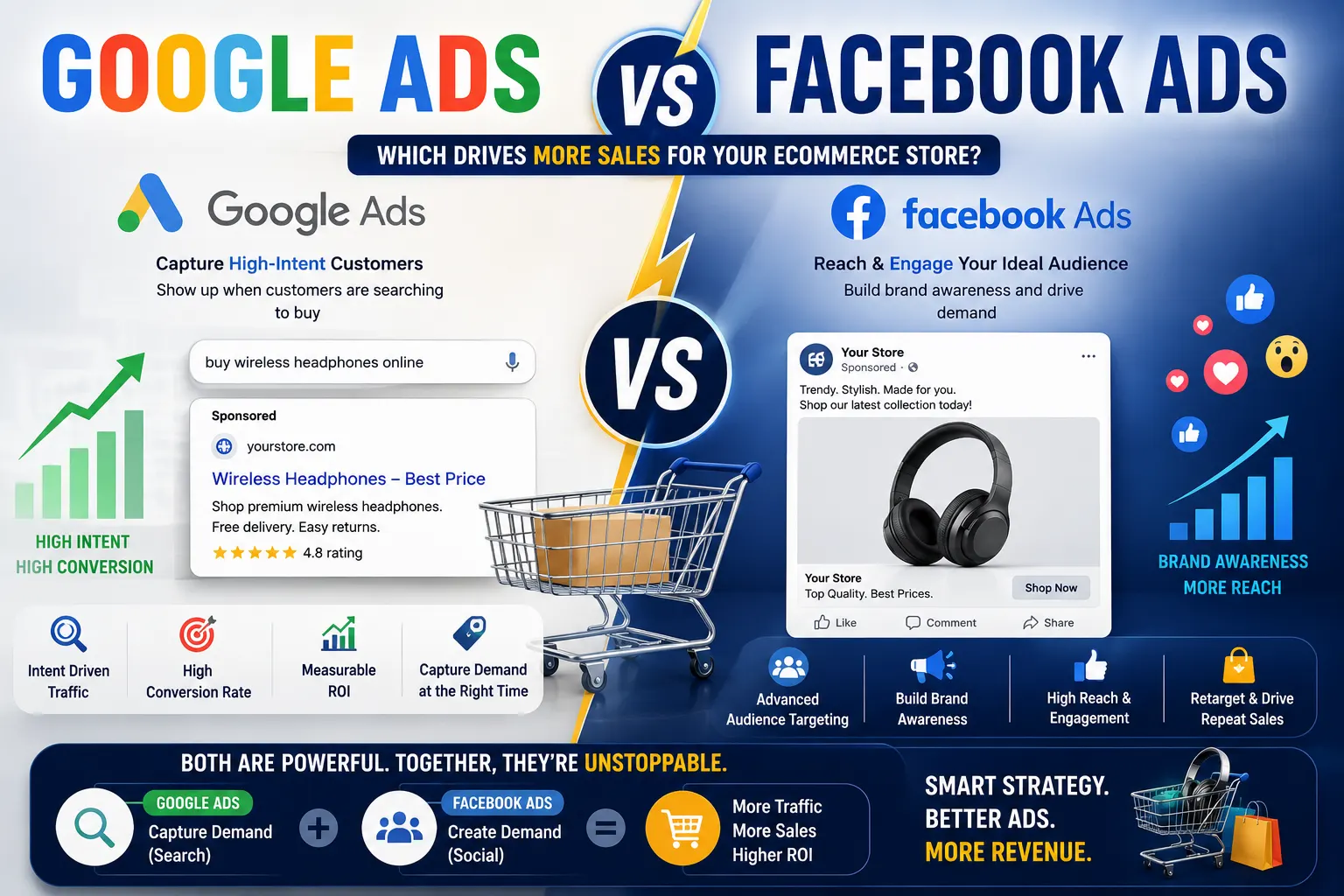
Google Ads primarily focuses on intent-based advertising. Users actively search for products, services, or information, making Google Ads highly effective for capturing existing demand.
Types of Google Ads for Ecommerce
Search Ads
Search ads appear on Google search results pages when users search for keywords.
Example:
- Buy running shoes online
- Best gaming laptop under 1000
- Organic skincare products
Search ads target users with strong purchase intent.
Google Shopping Ads
Shopping ads display:
- Product images
- Prices
- Ratings
- Store names
Shopping ads are highly effective for ecommerce because they showcase products visually before users click.
Official Resource:
Display Ads
Display ads appear across websites within Google’s Display Network.
They support:
- Brand awareness
- Retargeting
- Visual advertising
YouTube Ads
Video ads on YouTube help ecommerce brands:
- Demonstrate products
- Build awareness
- Improve engagement
Official Resource:
Performance Max Campaigns
Performance Max uses AI-driven automation across multiple Google channels.
Benefits include:
- Automated optimization
- Cross-platform reach
- AI-based audience targeting
Understanding Facebook Ads
What Are Facebook Ads?
Facebook Ads include advertising across:
- Facebook
- Instagram
- Messenger
- Audience Network
Official Website:
Unlike Google Ads, Facebook Ads primarily focus on discovery-based advertising.
Users may not actively search for products, but Facebook and Instagram introduce products through targeted audience recommendations.
Types of Facebook Ads for Ecommerce
Image Ads
Simple visual ads promoting products or offers.
Video Ads
Short-form videos perform exceptionally well for ecommerce engagement.
Carousel Ads
Carousel ads display multiple products within one ad.
Collection Ads
Collection ads create immersive mobile shopping experiences.
Dynamic Product Ads
Dynamic ads automatically show relevant products to users based on browsing behavior.
Reels Ads
Short-form vertical video ads optimized for engagement.
Core Difference Between Google Ads and Facebook Ads
Intent vs Discovery
The biggest difference between the platforms is user intent.
Google Ads
Google captures demand.
Users already search for products or solutions.
Example:
The user already intends to purchase.
Facebook Ads
Facebook creates demand.
Users discover products while browsing social feeds.
Example:
A user scrolling Instagram discovers a trending skincare product.
Bottom-of-Funnel vs Top-of-Funnel
Google Ads
Best for:
- High-intent traffic
- Direct purchases
- Immediate conversions
Facebook Ads
Best for:
- Brand awareness
- Product discovery
- Audience building
- Retargeting
Audience Targeting Comparison
Google Ads Targeting
Google targets based on:
- Search intent
- Keywords
- Shopping behavior
- Website visits
- Demographics
- Interests
- In-market audiences
Facebook Ads Targeting
Facebook offers advanced demographic and behavioral targeting.
Options include:
- Interests
- Behaviors
- Shopping activity
- Engagement patterns
- Lookalike audiences
- Custom audiences
Lookalike Audiences
Facebook’s lookalike audiences help businesses find users similar to existing customers.
This is extremely powerful for ecommerce scaling.
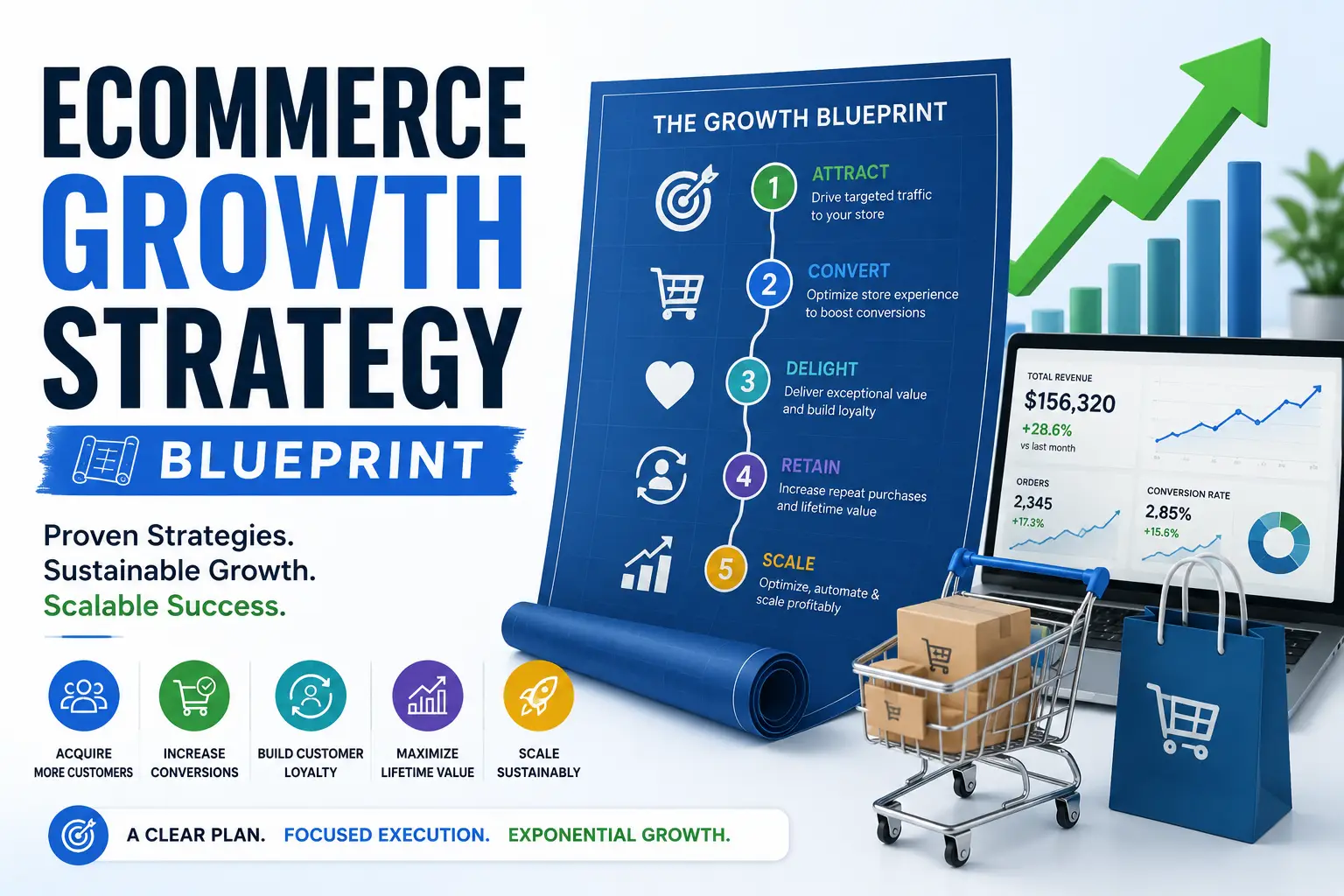
Ecommerce Funnel Strategies
Understanding the Ecommerce Funnel
Ecommerce advertising works best when businesses optimize for different funnel stages.
Top of Funnel (TOFU)
Goal:
- Awareness
- Product discovery
Best Platform:
- Facebook Ads
- Instagram Ads
- YouTube Ads
Middle of Funnel (MOFU)
Goal:
Best Strategies:
- Remarketing
- Product videos
- Testimonials
Bottom of Funnel (BOFU)
Goal:
Best Platform:
- Google Search Ads
- Shopping Ads
- Dynamic remarketing
Google Shopping Ads vs Facebook Dynamic Ads
Google Shopping Ads
Shopping ads appear when users search for products directly.
Benefits include:
- High commercial intent
- Visual product previews
- Better purchase readiness
Facebook Dynamic Product Ads
Dynamic ads retarget users automatically.
Benefits include:
- Personalized recommendations
- Cross-device targeting
- Visual engagement
Conversion Rate Comparison
Why Google Ads Often Convert Faster
Google users actively search for products.
This often leads to:
- Higher purchase intent
- Faster buying decisions
- Lower funnel traffic
Why Facebook Ads Need More Nurturing
Facebook users are usually browsing casually.
Conversions may require:
- Multiple touchpoints
- Retargeting
- Brand familiarity
Cost Comparison
Google Ads Costs
Google Ads often have:
- Higher CPCs
- Higher competition
- Stronger intent
Popular ecommerce niches can become expensive.
Examples:
- Insurance
- Electronics
- Finance
- SaaS
Facebook Ads Costs
Facebook Ads often provide:
- Lower CPMs
- Lower CPCs
- Better awareness reach
However, conversion quality may vary.
ROAS Comparison
What Is ROAS?
ROAS stands for Return on Ad Spend.
Formula:
ROAS=RevenueAd SpendROAS = \frac{Revenue}{Ad\ Spend}ROAS=Ad SpendRevenue
Google Ads ROAS
Google often delivers strong ROAS for:
- Existing demand
- Branded searches
- Shopping campaigns
Facebook Ads ROAS
Facebook excels when:
- Creative quality is strong
- Products are visually appealing
- Retargeting is optimized
Creative Requirements
Google Ads Creative Needs
Search ads rely heavily on:
- Headlines
- Keywords
- Ad copy
Shopping ads depend on:
- Product feeds
- Product images
- Pricing accuracy
Facebook Ads Creative Needs
Facebook success depends heavily on:
- Visual storytelling
- Video quality
- Hooks
- Engagement-driven content
Product Type Suitability
Best Products for Google Ads
Google performs well for:
- High-intent products
- Problem-solving products
- Urgent purchases
- Comparison-based products
Examples:
- Laptops
- Office chairs
- Home appliances
- Electronics
Best Products for Facebook Ads
Facebook excels with:
- Impulse-buy products
- Trend-driven products
- Fashion
- Beauty
- Lifestyle products
Examples:
- Skincare
- Jewelry
- Fashion accessories
- Home decor
Remarketing and Retargeting
Google Remarketing
Google remarketing targets users across:
- Search
- YouTube
- Display Network
Facebook Retargeting
Facebook retargeting is extremely effective due to:
- Social engagement
- Visual reminders
- Dynamic ads
Abandoned Cart Retargeting
Both platforms support cart abandonment campaigns.
Best practices include:
- Product reminders
- Discounts
- Limited-time offers
- Social proof
AI and Automation in Ecommerce Advertising
Google AI Features
Google uses AI for:
- Smart bidding
- Audience targeting
- Performance Max
- Automated optimization
Facebook AI Features
Meta AI optimizes:
- Audience delivery
- Ad placements
- Conversion prediction
- Creative testing
Importance of First-Party Data
Privacy updates increased reliance on:
- Email lists
- Customer databases
- Pixel tracking
- CRM integration
Tracking and Attribution Challenges
Attribution Complexity
Customers interact with multiple channels before purchasing.
Examples:
- Instagram discovery
- Google search later
- Final purchase through retargeting
Google Analytics 4
Official Tool:
GA4 helps track:
- Cross-channel journeys
- Ecommerce conversions
- User behavior
Facebook Pixel
Official Resource:
Google Tag Manager
Official Resource:
Mobile Commerce and Ad Performance
Mobile Shopping Growth
Most ecommerce traffic now comes from smartphones.
Mobile Optimization Importance
Landing pages must provide:
- Fast loading speeds
- Mobile-friendly checkout
- Responsive design
- Simplified navigation
Official Resource:
Landing Page Optimization for Paid Ads
Why Landing Pages Matter
Even strong ads fail without optimized landing pages.
Best Practices
Match User Intent
Landing pages should align with ad messaging.
Improve Page Speed
Slow pages reduce conversions.
Add Trust Signals
Include:
- Reviews
- Security badges
- Testimonials
- Return policies
Use Strong CTAs
Clear calls-to-action improve conversion rates.
Ecommerce Niches and Platform Selection
Fashion Ecommerce
Best Platform:
- Facebook Ads
- Instagram Ads
Reason:
Visual products perform well socially.
Electronics Ecommerce
Best Platform:
- Google Shopping Ads
- Search Ads
Reason:
Users actively research products.
Beauty and Skincare
Best Platform:
- Facebook Ads
- Instagram Reels
Reason:
Visual storytelling works effectively.
Furniture Ecommerce
Best Strategy:
- Combination of Google and Facebook
Reason:
Long buying journeys require multiple touchpoints.
Budget Allocation Strategies
Small Ecommerce Businesses
Recommended approach:
- Start with one platform
- Validate product-market fit
- Scale gradually
Medium-Sized Stores
Recommended mix:
- Google for conversions
- Facebook for awareness and retargeting
Enterprise Ecommerce Brands
Use full-funnel omnichannel strategies.
Combining Google Ads and Facebook Ads
Why Omnichannel Works Best
Modern ecommerce buyers interact with multiple platforms.
Example journey:
- Discover product on Instagram
- Search product on Google
- Return through remarketing
- Complete purchase
Multi-Platform Synergy
Combined strategies improve:
- Brand recall
- Conversion rates
- Customer retention
- Lifetime value
Common Mistakes in Ecommerce Advertising
Weak Creative Quality
Poor visuals reduce engagement.
Ignoring Mobile UX
Bad mobile experiences hurt conversions.
Weak Landing Pages
Mismatched messaging increases bounce rates.
Poor Audience Targeting
Broad targeting wastes budget.
Lack of Retargeting
Many users do not convert immediately.
Metrics Ecommerce Businesses Should Track
Important KPIs
Track:
- ROAS
- CPA
- CTR
- CPC
- Conversion rate
- Average order value
- Customer lifetime value
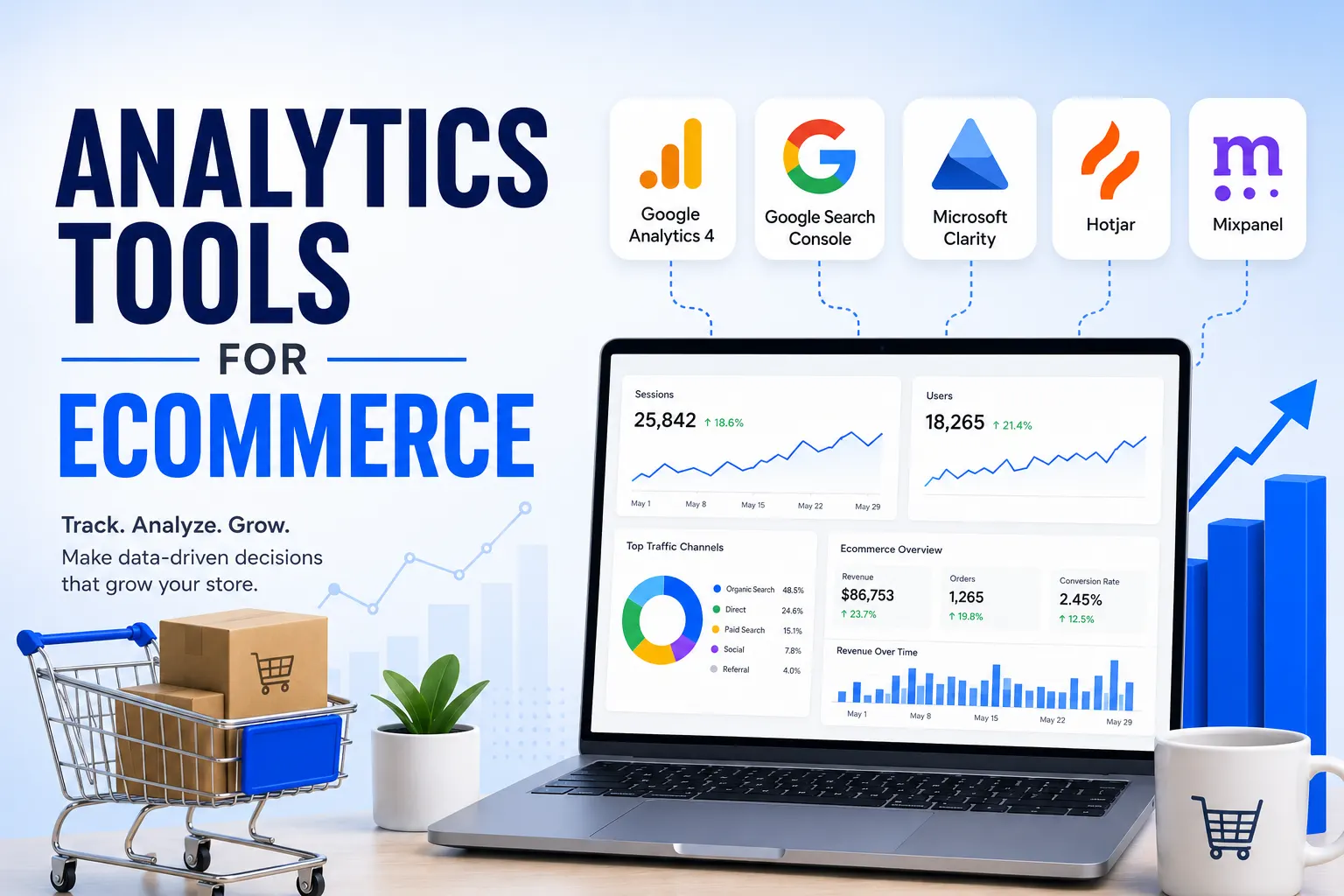
Ecommerce Analytics Tools
Google Analytics
Hotjar
Microsoft Clarity
Future Trends in Ecommerce Advertising
AI-Driven Ad Optimization
Automation will continue increasing.
Short-Form Video Dominance
Video commerce will grow further.
Privacy-Focused Advertising
First-party data importance will increase.
Social Commerce Expansion
Instagram and TikTok shopping will continue growing.
Visual Search Advertising
Image-based product discovery will expand.
Which Platform Is Better for Ecommerce?
Choose Google Ads If:
- Users actively search for products
- You want fast conversions
- Products solve urgent problems
- Search demand already exists
Choose Facebook Ads If:
- Products are visually appealing
- Brand awareness matters
- You want audience discovery
- Products benefit from storytelling
Use Both If Possible
The best ecommerce brands combine:
- Google Ads
- Facebook Ads
- Instagram marketing
- SEO
- Email marketing
- Retargeting
Complete Ecommerce Advertising Checklist
Google Ads Checklist
- Optimize Shopping feeds
- Use negative keywords
- Improve landing pages
- Enable conversion tracking
Facebook Ads Checklist
- Test multiple creatives
- Use retargeting campaigns
- Build lookalike audiences
- Optimize mobile experiences
General Ecommerce Optimization
- Improve page speed
- Add trust signals
- Simplify checkout
- Track analytics properly
Conclusion
Google Ads and Facebook Ads are both extremely powerful ecommerce advertising platforms, but they serve different purposes within the customer journey.
Google Ads excels at:
- Capturing demand
- High-intent searches
- Fast conversions
- Shopping-focused campaigns
Facebook Ads excels at:
- Product discovery
- Visual storytelling
- Audience targeting
- Brand awareness
- Retargeting
Rather than viewing the platforms as direct competitors, successful ecommerce businesses increasingly use them together as part of integrated omnichannel marketing strategies.
The most effective ecommerce advertising systems combine:
- Search intent targeting
- Social discovery
- Retargeting
- Mobile optimization
- Landing page optimization
- AI-driven automation
- Customer lifecycle marketing
As digital advertising continues evolving with AI, privacy changes, visual commerce, and personalization, ecommerce businesses that focus on customer experience, creative quality, data-driven optimization, and multi-channel strategies will achieve the strongest long-term results.
Choosing the right platform ultimately depends on:
- Product type
- Customer behavior
- Budget
- Funnel stage
- Brand maturity
- Marketing goals
Businesses that continuously test, analyze, optimize, and adapt their advertising strategies will remain competitive in the future of ecommerce marketing.
Additional Resources: