Blog
Ecommerce Content Marketing Strategy

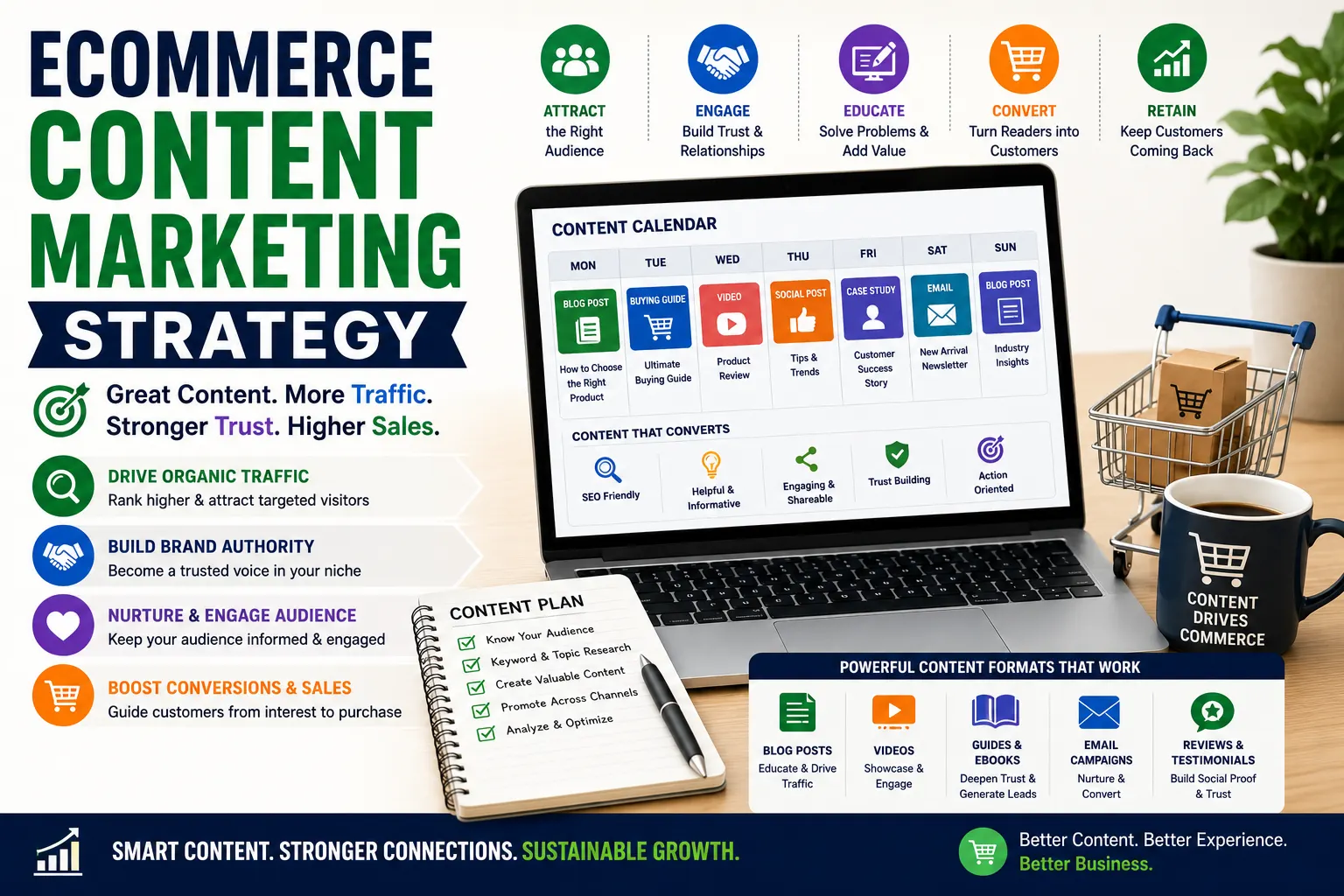
The Complete Guide to Building Traffic, Trust, and Sales Through Content
Introduction
Content marketing has become one of the most powerful growth strategies for ecommerce businesses. Modern online shoppers no longer make purchasing decisions based only on advertisements or product listings. Customers now research products extensively, compare brands, read reviews, watch videos, follow influencers, explore buying guides, and interact with educational content before making purchases.
As ecommerce competition continues increasing, businesses need more than attractive product pages and paid advertising campaigns to succeed. Brands that consistently create valuable, informative, engaging, and SEO-focused content gain long-term advantages in search visibility, customer trust, audience engagement, and revenue growth.
Unlike short-term advertising strategies that stop generating traffic once budgets are paused, content marketing creates long-term digital assets that continue attracting users organically over time. Well-optimized ecommerce content can rank in search engines for years, generate backlinks naturally, improve brand authority, support social media campaigns, nurture leads, and increase conversions across the entire customer journey.
Official Resources:
- https://www.bigcommerce.com/articles/ecommerce/content-marketing/
- https://www.shopify.com/blog/content-marketing
- https://developers.google.com/search/docs/fundamentals/creating-helpful-content
In 2026, ecommerce content marketing has evolved beyond simple blog posting. Successful brands now focus on:
- Search intent optimization
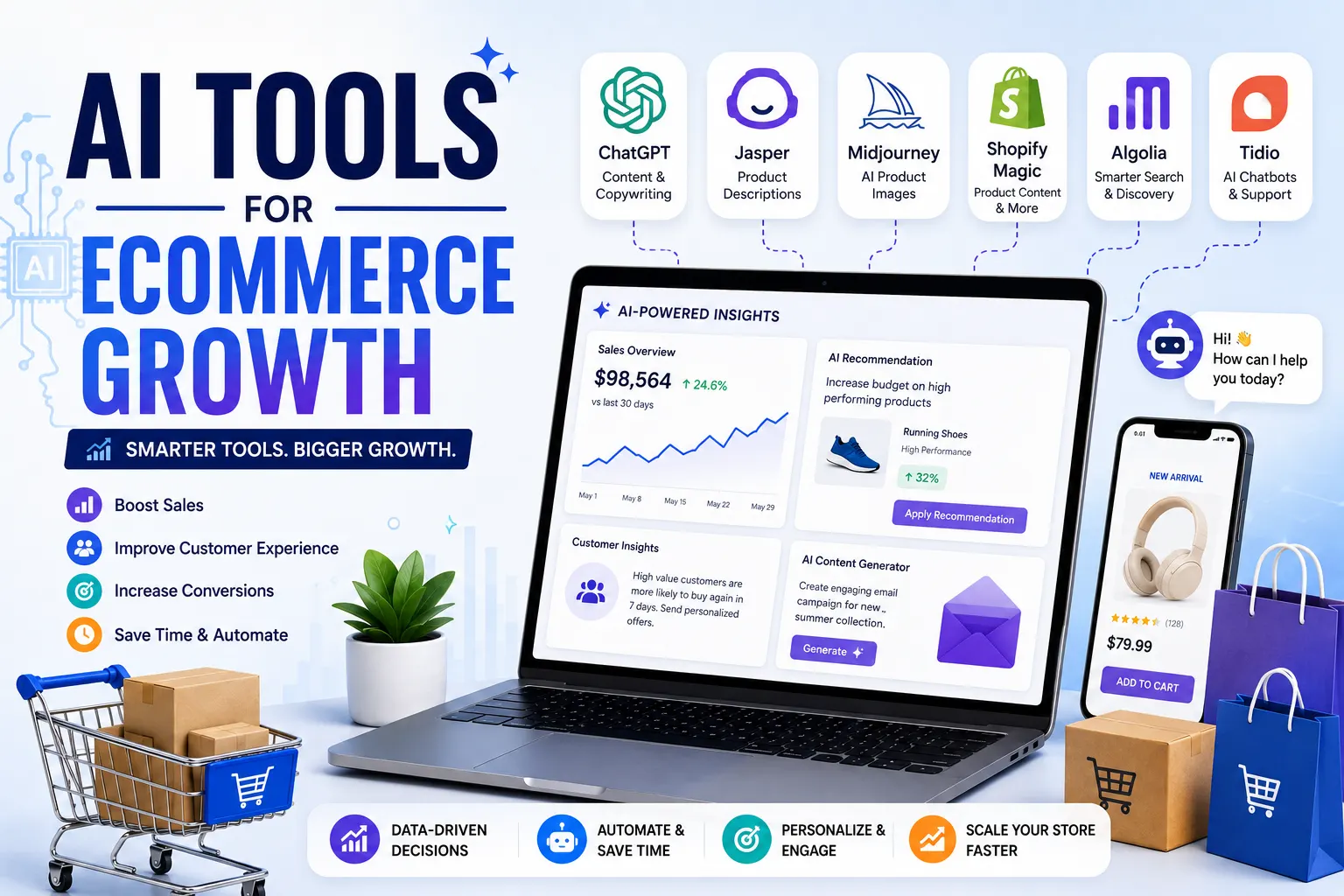
- AI-enhanced content strategies
- Semantic SEO
- Video content
- User-generated content
- Social commerce
- Interactive experiences
- Personalized content journeys
- Omnichannel marketing
- Voice and visual search optimization
This comprehensive guide explains everything ecommerce businesses need to know about building effective content marketing strategies, including content planning, SEO optimization, audience research, blogging, video marketing, social media content, email marketing, AI-driven personalization, ecommerce storytelling, conversion optimization, content distribution, and future trends shaping ecommerce content marketing.
What Is Ecommerce Content Marketing?
Understanding Ecommerce Content Marketing
Ecommerce content marketing involves creating and distributing valuable content to attract, educate, engage, and convert potential customers.
Unlike direct advertising, content marketing focuses on helping users solve problems, learn about products, compare options, and make informed purchasing decisions.
Content marketing includes:
- Blog articles
- Buying guides
- Product tutorials
- Videos
- Social media content
- Email newsletters
- Infographics
- Case studies
- User-generated content
- Interactive tools
Why Content Marketing Matters for Ecommerce
Modern consumers expect brands to provide more than product catalogs.
Content marketing helps ecommerce businesses:
- Increase organic traffic
- Build brand authority
- Improve SEO rankings
- Educate customers
- Reduce customer acquisition costs
- Increase engagement
- Build trust
- Improve conversions
- Increase repeat purchases
Content Marketing vs Traditional Advertising
Traditional advertising interrupts users.
Content marketing attracts users naturally through value-driven experiences.
Examples:
Traditional Ad:
“Buy our skincare products now.”
Content Marketing:
“How to Build a Skincare Routine for Dry Skin”
The second approach educates users while building trust.
Understanding the Ecommerce Customer Journey
Why Customer Journey Mapping Matters
Effective content marketing aligns with customer intent across different buying stages.
Stages of the Ecommerce Funnel
Awareness Stage
Customers realize they have a problem or need.
Examples:
- How to improve sleep quality
- Best home office setup ideas
Content Types:
- Blog articles
- Educational videos
- Social media posts
Consideration Stage
Users compare solutions.
Examples:
- Best ergonomic office chairs
- Running shoes comparison
Content Types:
- Product comparisons
- Buying guides
- Reviews
Decision Stage
Users prepare to purchase.
Examples:
- Buy ergonomic office chair online
- Best price for gaming laptop
Content Types:
- Product pages
- Testimonials
- Case studies
- Offers
Retention Stage
Businesses focus on repeat customers.
Content Types:
- Email marketing
- Loyalty programs
- Product tutorials
- Community engagement
Audience Research for Ecommerce Content Marketing
Importance of Audience Research
Understanding audiences helps businesses create relevant content.
Building Customer Personas
Customer personas include:
- Demographics
- Interests
- Shopping behavior
- Pain points
- Goals
- Preferred platforms
Sources for Audience Insights
Google Analytics
Official Tool:
Social Media Insights
Platforms provide audience engagement data.
Customer Reviews
Reviews reveal real customer language and concerns.
Reddit and Forums
Communities help identify audience interests.
Official Resource:
Ecommerce SEO and Content Marketing
Why SEO Matters for Ecommerce Content
SEO helps ecommerce content attract organic traffic consistently.
Keyword Research for Ecommerce Content
Use tools such as:
Search Intent Optimization
Content should match user intent.
Examples:
Informational:
“How to choose hiking shoes”
Transactional:
“Buy waterproof hiking shoes online”
Semantic SEO
Modern search engines understand contextual relevance.
Businesses should optimize around:
- Topics
- Entities
- Related concepts
Official Resource:
Blogging Strategy for Ecommerce Stores
Why Ecommerce Blogs Matter
Blogs help ecommerce businesses:
- Rank for informational keywords
- Build authority
- Attract backlinks
- Educate customers
- Support conversions
Types of Ecommerce Blog Content
Buying Guides
Examples:
- Best laptops for students
- Complete skincare buying guide
Product Comparisons
Examples:
- Nike vs Adidas running shoes
Tutorials and How-To Articles
Educational content improves engagement.
Trend Articles
Examples:
- Fashion trends for 2026
- Latest gaming accessories
Seasonal Content
Examples:
- Diwali gift ideas
- Christmas shopping guide
Product-Focused Content Strategies
Educational Product Content
Customers want more than specifications.
Explain:
- Benefits
- Use cases
- Styling ideas
- Maintenance tips
Product Demonstration Content
Videos and tutorials increase confidence.
FAQ Content
FAQs help answer objections and improve SEO.
Examples:
- How long does delivery take?
- Is the product waterproof?
Video Content Marketing for Ecommerce
Why Video Content Matters
Video improves:
- Engagement
- Product understanding
- Trust
- Conversions
Types of Ecommerce Videos
Product Demonstrations
Show products in real usage situations.
Unboxing Videos
Unboxing content creates excitement and authenticity.
Customer Testimonials
Video reviews improve trust.
Behind-the-Scenes Content
Humanizes brands.
Short-Form Videos
Platforms like Instagram Reels and TikTok dominate mobile engagement.
Official Resources:
Social Media Content Marketing
Importance of Social Commerce
Social platforms increasingly influence ecommerce purchases.
Platform Strategies
Best for:
- Fashion
- Beauty
- Lifestyle products
Useful for:
- Communities
- Advertising
- Retargeting
Strong for:
- Home decor
- Fashion
- DIY content
Suitable for B2B ecommerce.
YouTube
Excellent for long-form educational content.
User-Generated Content (UGC)
Why UGC Matters
Customers trust other customers more than brands.
UGC includes:
- Customer reviews
- Photos
- Videos
- Social media posts
Benefits of UGC
UGC improves:
- Trust
- Social proof
- Engagement
- Conversions
Encouraging UGC
Strategies include:
- Hashtag campaigns
- Review requests
- Contests
- Community engagement
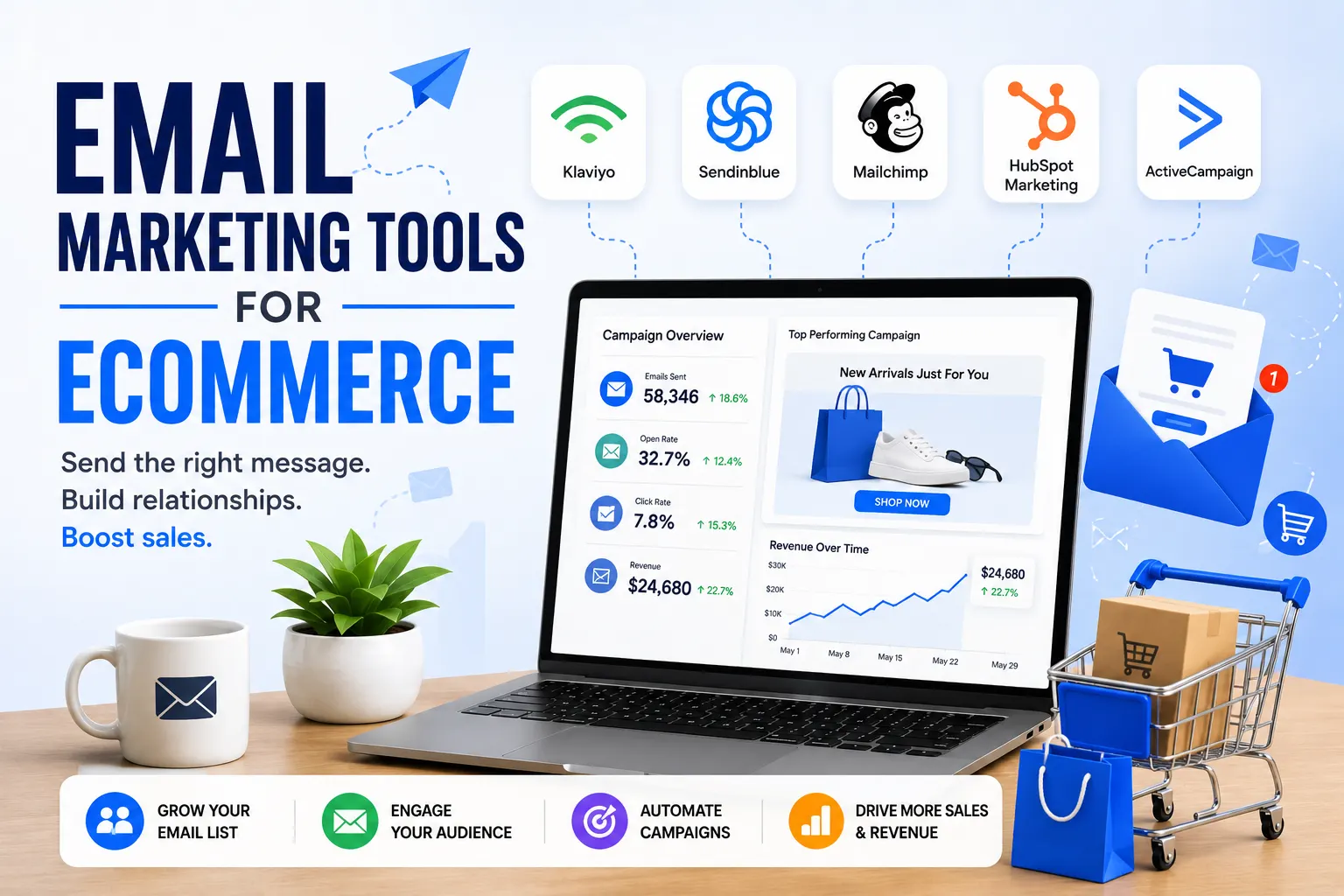
Email Marketing Content Strategy
Importance of Email Marketing
Email remains one of the highest-ROI marketing channels.
Ecommerce Email Campaign Types
Welcome Emails
Introduce brands to new subscribers.
Product Recommendation Emails
Personalized suggestions improve conversions.
Abandoned Cart Emails
Recover lost sales.
Educational Emails
Provide valuable content beyond promotions.
Loyalty Campaigns
Encourage repeat purchases.
Email Personalization
Personalized emails improve:
- Open rates
- Click-through rates
- Conversions
Content Personalization for Ecommerce
Why Personalization Matters
Customers expect relevant experiences.
Personalization Examples
Product Recommendations
Show relevant products based on browsing behavior.
Dynamic Website Content
Adapt content to user interests.
Personalized Emails
Tailor offers and messaging.
AI-Powered Personalization
AI helps predict:
- Product preferences
- Purchase behavior
- Engagement likelihood
Interactive Content for Ecommerce
Importance of Interactive Experiences
Interactive content improves engagement significantly.
Examples of Interactive Content
Quizzes
Examples:
- Find your skincare routine
- Choose the perfect running shoes
Calculators
Examples:
- Mattress size calculators
- Nutrition calculators
AR Experiences
Augmented reality helps customers visualize products.
Official Resource:
Content Distribution Strategies
Why Distribution Matters
Even great content needs visibility.
Organic Distribution Channels
SEO
Organic search traffic provides long-term growth.
Social Media
Share content consistently.
Email Newsletters
Drive repeat engagement.
Paid Distribution
Facebook Ads
Promote valuable content to targeted audiences.
Google Ads
Drive traffic to buying guides and landing pages.
Ecommerce Storytelling Strategies
Why Storytelling Matters
Stories create emotional connections.
Brand Storytelling Examples
Founder Stories
Explain why brands started.
Customer Success Stories
Show real experiences.
Mission-Driven Content
Highlight values and social impact.
Building Topical Authority
What Is Topical Authority?
Topical authority develops when businesses create extensive content around specific subjects.
Example
Fitness ecommerce brands should cover:
- Workout routines
- Supplements
- Recovery methods
- Equipment guides
Benefits
Topical authority improves:
- SEO rankings
- Brand credibility
- Internal linking opportunities
AI and Ecommerce Content Marketing
AI Content Creation Tools
AI tools help with:
- Research
- Outlining
- Personalization
- Optimization
Human Oversight Matters
AI-generated content should still provide:
- Accuracy
- Expertise
- Original insights
AI Search Optimization
Search engines increasingly summarize content using AI systems.
Businesses should optimize for:
- Structured content
- Clear answers
- Helpful information
Influencer Content Marketing
Why Influencers Matter
Influencers help brands reach targeted audiences.
Types of Influencers
Nano Influencers
Small but highly engaged audiences.
Micro Influencers
Affordable and niche-focused.
Macro Influencers
Large reach and visibility.
Influencer Content Examples
- Product reviews
- Tutorials
- Lifestyle integrations
- Unboxing videos
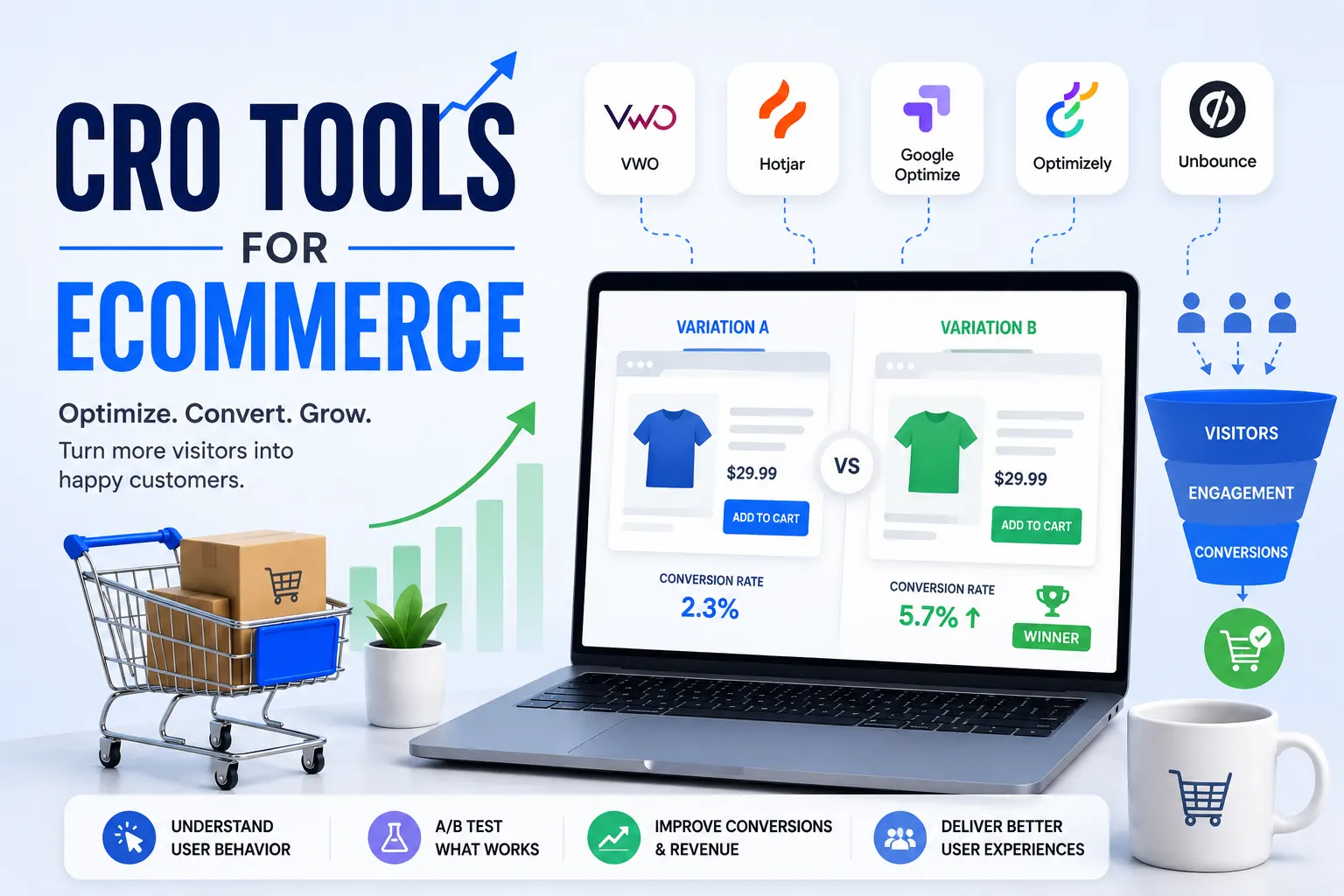
Conversion Optimization Through Content
Content Should Drive Action
Good content supports conversions naturally.
Best Practices
Add Strong CTAs
Guide users toward next steps.
Use Trust Signals
Include:
- Reviews
- Testimonials
- Certifications
Optimize Product Recommendations
Cross-selling and upselling improve order values.
Mobile Content Optimization
Importance of Mobile UX
Most ecommerce users browse via smartphones.
Mobile Content Best Practices
Shorter Paragraphs
Improve readability.
Fast Loading Pages
Performance affects engagement.
Responsive Design
Content should adapt across devices.
Official Resource:
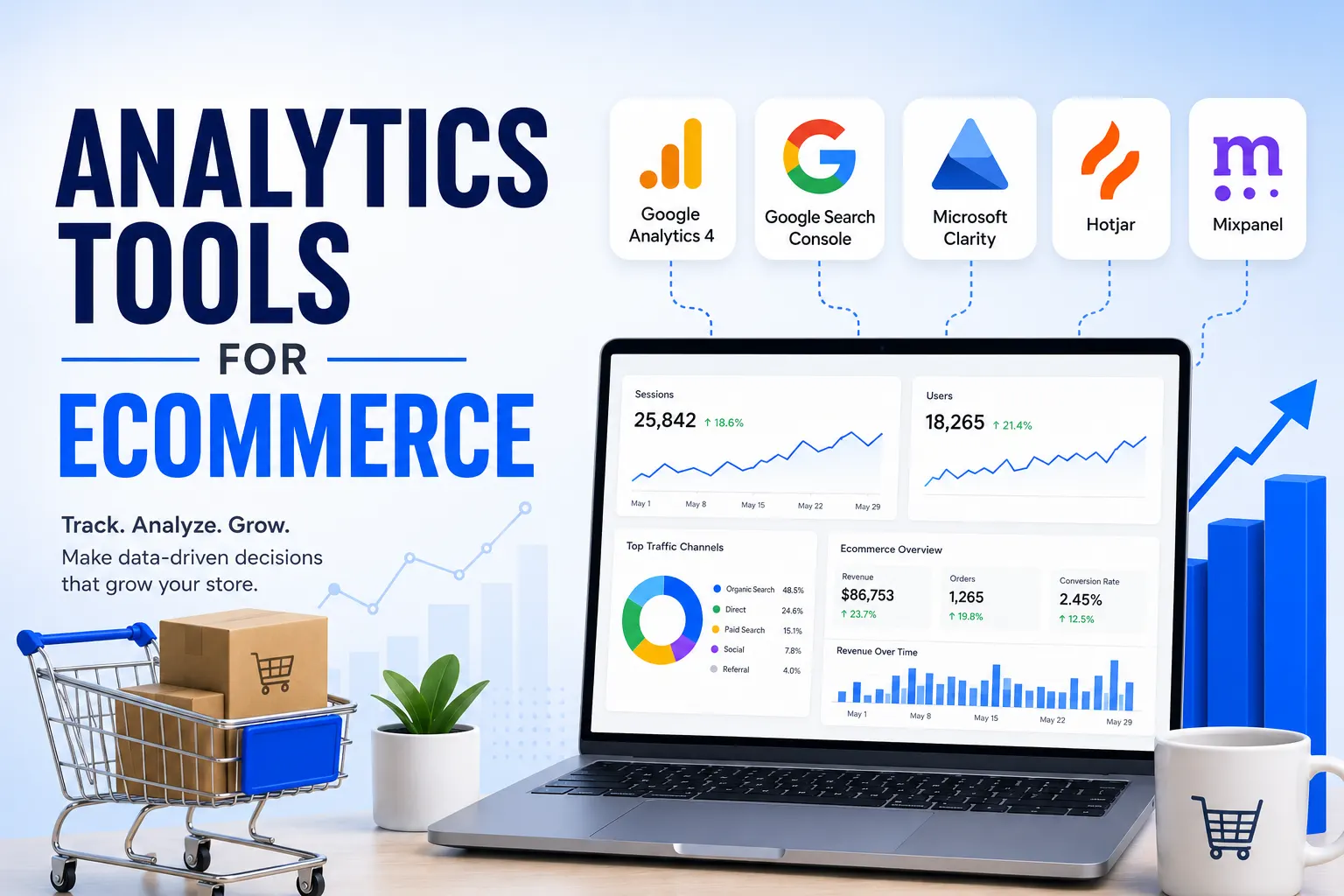
Analytics and Content Performance Tracking
Why Analytics Matter
Tracking helps businesses improve strategies.
Important Content Metrics
Track:
- Organic traffic
- Engagement
- Bounce rates
- Conversions
- Revenue attribution
Recommended Tools
Google Analytics
Google Search Console
Hotjar
Common Ecommerce Content Marketing Mistakes
Creating Content Without Strategy
Random publishing rarely produces strong results.
Ignoring SEO
Without SEO, content visibility becomes limited.
Weak Content Quality
Thin content struggles to rank and engage users.
Over-Promotional Content
Users prefer educational value over constant selling.
Inconsistent Publishing
Consistency matters for audience growth.
Future Trends in Ecommerce Content Marketing
AI-Powered Personalization
Content experiences will become more customized.
Visual Commerce Growth
Image-driven shopping will expand further.
Voice Search Optimization
Conversational content will become increasingly important.
Short-Form Video Dominance
Video content will continue growing rapidly.
Interactive Shopping Experiences
AR and immersive commerce will expand.
Building a Long-Term Ecommerce Content Strategy
Focus on Customer Value
Helpful content builds sustainable trust.
Prioritize Quality Over Quantity
High-quality content performs better long-term.
Build Omnichannel Experiences
Integrate:
- SEO
- Social media
- Email marketing
- Paid advertising
Continuously Update Content
Refreshing older content improves SEO performance.
Ecommerce Content Marketing Checklist
SEO Optimization
- Conduct keyword research
- Match search intent
- Optimize metadata
Content Creation
- Publish buying guides
- Create videos
- Build FAQs
Distribution
- Share on social media
- Use email marketing
- Promote through ads
Conversion Optimization
- Add CTAs
- Improve landing pages
- Include trust signals
Analytics
- Track engagement
- Monitor rankings
- Measure conversions
Conclusion
Ecommerce content marketing has become one of the most important long-term growth strategies for modern online businesses. In 2026, successful ecommerce brands must go beyond traditional advertising and focus on building valuable, engaging, educational, and trust-driven content experiences.
Content marketing helps ecommerce businesses:
- Increase organic traffic
- Improve SEO rankings
- Build topical authority
- Educate customers
- Increase conversions
- Reduce advertising dependency
- Improve customer retention
- Build long-term brand equity
Successful ecommerce content strategies combine:
- SEO optimization
- Blogging
- Video marketing
- Social commerce
- Personalization
- Email marketing
- User-generated content
- Storytelling
- AI-driven optimization
Rather than focusing only on immediate sales, strong content marketing builds long-term customer relationships and sustainable brand growth.
As search engines, social platforms, AI systems, and ecommerce technologies continue evolving, businesses that consistently prioritize customer value, educational experiences, trust-building, and high-quality content will remain competitive in the future of digital commerce.
Content marketing is not a short-term campaign. It is a long-term investment in audience growth, authority building, customer trust, and sustainable ecommerce success.
Additional Resources: