Blog
Designing a successful ecommerce websites


Designing High-Converting Ecommerce Websites
Modern ecommerce success depends heavily on how effectively an online store converts visitors into paying customers. Businesses can no longer rely only on attractive product catalogs or discount offers to drive sales. Today’s ecommerce customers expect seamless browsing experiences, fast-loading pages, intuitive navigation, personalized shopping journeys, mobile responsiveness, secure checkout systems, and visually engaging interfaces that make online shopping feel effortless.
A high-converting ecommerce website is strategically designed to guide users through every stage of the customer journey while minimizing friction and maximizing trust. Every design decision — from homepage structure and product page layouts to checkout optimization and mobile usability — directly influences whether customers continue browsing or abandon the website.
As competition in online retail continues increasing, ecommerce brands must focus on more than aesthetics alone. High-converting ecommerce websites combine user experience, conversion psychology, technical performance, SEO optimization, trust-building strategies, and persuasive design elements to create profitable online shopping experiences. Businesses that invest in conversion-focused ecommerce design often experience higher revenue, stronger customer retention, improved organic rankings, and better return on advertising investment.
This comprehensive guide explores the most important strategies, principles, and best practices for designing high-converting ecommerce websites in 2026 and beyond.
Understanding What Makes an Ecommerce Website Convert
A conversion occurs whenever a visitor completes a desired action on an ecommerce website. In most cases, the primary conversion goal is a completed purchase, but ecommerce businesses may also track conversions such as:
- Add-to-cart actions
- Newsletter signups
- Wishlist additions
- Account registrations
- Product inquiries
- Subscription enrollments
A high-converting ecommerce website is designed to increase the percentage of users who complete these actions successfully.
Many ecommerce businesses focus heavily on traffic generation through SEO, social media marketing, influencer campaigns, and paid advertising. While traffic generation is important, conversion optimization determines how effectively that traffic turns into revenue. A store with excellent conversion rates can outperform competitors even with lower traffic volumes because it generates more sales from existing visitors.
High-converting ecommerce websites reduce customer hesitation, simplify decision-making, and create shopping experiences that feel smooth and trustworthy. Successful conversion-focused design involves balancing visual appeal, usability, technical performance, and psychological triggers that encourage purchasing behavior.
Why Conversion-Focused Ecommerce Design Matters
Ecommerce website design directly influences customer behavior. Online shoppers form opinions about websites within seconds, and those first impressions determine whether they continue browsing or leave immediately.
Poor ecommerce design creates friction through:
- Slow loading pages
- Confusing navigation
- Weak product presentation
- Difficult checkout systems
- Poor mobile usability
- Lack of trust indicators
These issues reduce engagement and increase abandonment rates.
On the other hand, conversion-focused ecommerce design improves:
- Customer trust
- Product discovery
- User engagement
- Session duration
- Checkout completion
- Repeat purchases
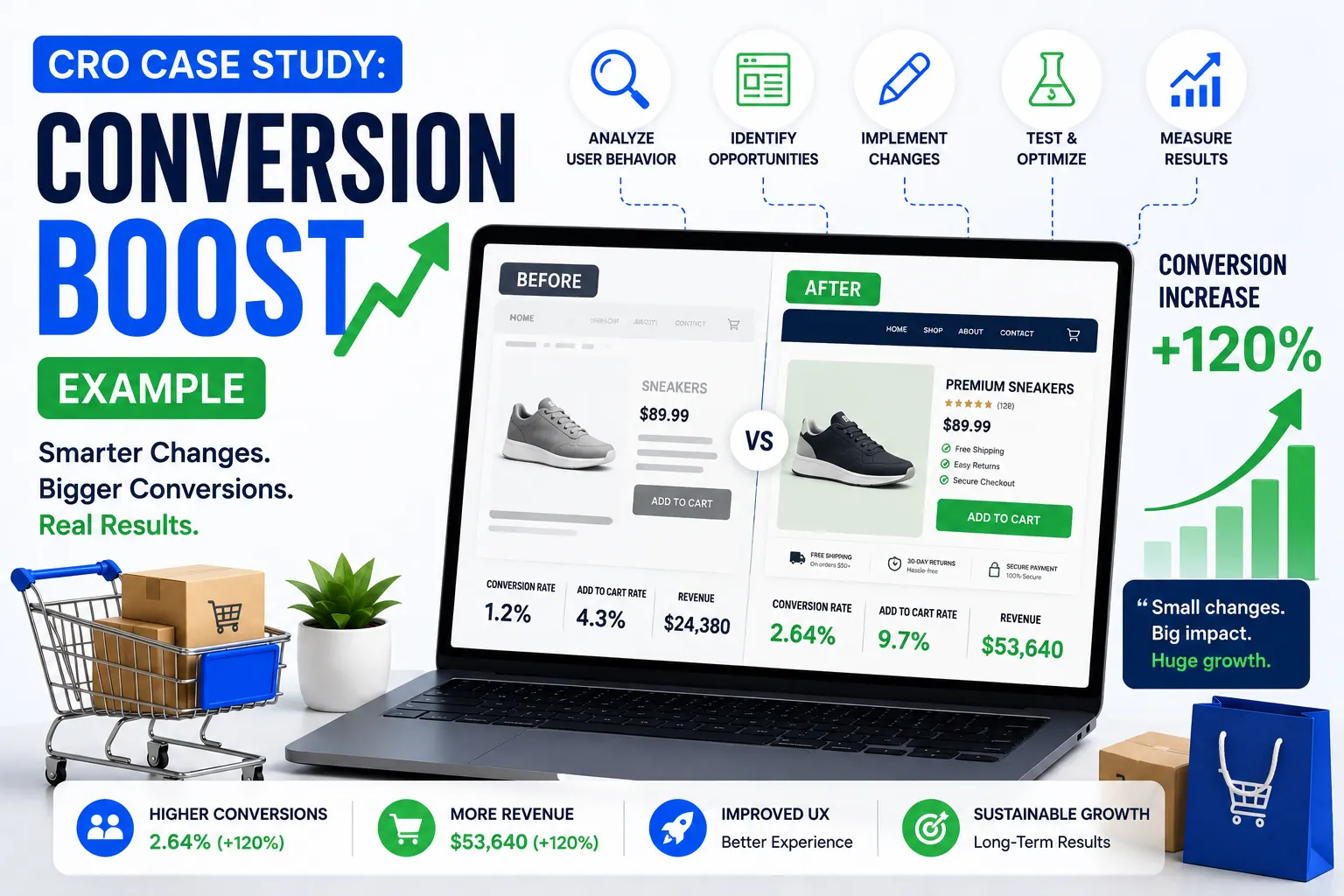
Even small improvements in conversion rates can significantly increase profitability. For example, increasing conversion rates from 1% to 2% effectively doubles sales without requiring additional advertising spend. This is why ecommerce conversion optimization often delivers stronger ROI than simply increasing traffic acquisition budgets.
Modern ecommerce businesses operate in highly competitive environments where customers can switch to competitors instantly. High-converting ecommerce design provides businesses with a major competitive advantage.
Understanding Ecommerce Customer Psychology
Designing ecommerce websites that convert effectively requires understanding how customers think, feel, and behave during online shopping experiences.
Most ecommerce purchasing decisions are influenced emotionally before being justified logically. Customers react to:
- Visual presentation
- Brand trust
- Product imagery
- Social proof
- Simplicity
- Convenience
- Speed
A professionally designed ecommerce website creates positive emotional signals that encourage customers to continue browsing and purchasing products.
Trust is one of the most important psychological factors in ecommerce because customers cannot physically inspect products before buying. Shoppers evaluate trustworthiness through:
- Website professionalism
- Security indicators
- Reviews and ratings
- Brand consistency
- Return policies
- Customer support visibility
Confusing interfaces, inconsistent branding, slow loading pages, and unclear policies create uncertainty and reduce conversions.
Reducing friction is another critical psychological principle. Every unnecessary step, confusing interaction, or delay increases cognitive load and makes customers more likely to abandon the purchase process. High-converting ecommerce websites simplify interactions and make purchasing feel effortless.
Creating High-Converting Ecommerce Homepages
The homepage acts as the digital storefront for an ecommerce business. It often creates the first impression customers have about the brand, making homepage optimization critical for conversions.
A strong ecommerce homepage should immediately communicate:
- What the business sells
- Who the products are for
- Why customers should trust the brand
- What makes the store unique
The value proposition should appear clearly above the fold so visitors instantly understand the benefits of shopping with the business.
High-converting homepage hero sections typically include:
- Professional imagery
- Clear headlines
- Persuasive subheadings
- Strong CTA buttons
- Minimal distractions
The goal is guiding users toward browsing products or collections quickly.
Displaying featured collections, trending products, or best sellers on the homepage also improves engagement because customers are naturally drawn toward products that appear popular or recommended.
Trust indicators should appear early in the customer journey. Effective homepage trust signals include:
- Customer reviews
- Ratings
- Secure payment badges
- Free shipping offers
- Money-back guarantees
- Fast delivery promises
These elements reduce customer hesitation and improve confidence in the brand.
Designing Ecommerce Navigation That Improves Conversions
Navigation design plays a major role in ecommerce usability and product discovery. Customers should be able to find products quickly without confusion or frustration.
Complex navigation systems often overwhelm users and reduce browsing efficiency. High-converting ecommerce websites prioritize simplicity and clarity within navigation structures.
Product categories should align with customer expectations and search behavior. Logical category organization helps users browse products intuitively while also supporting SEO through improved site architecture.
Large ecommerce stores often benefit from mega menus because they organize large product catalogs into structured navigation systems. Mega menus improve:
- Product discoverability
- Internal linking
- User experience
- Category visibility
Search functionality is equally important because many ecommerce users prefer searching directly rather than browsing categories manually. High-converting ecommerce search systems should support:
- Auto-suggestions
- Predictive search
- Typo correction
- Product thumbnails
- Smart filtering
Search usability significantly affects conversion rates because customers who use search often demonstrate stronger purchase intent.
Mobile navigation optimization is essential because mobile commerce dominates modern ecommerce traffic. Mobile navigation should prioritize:
- Thumb-friendly usability
- Sticky headers
- Simplified menus
- Fast search access
Reducing navigation friction improves both user experience and sales performance.
Designing Product Pages That Drive Sales
Product pages are among the most important conversion-focused pages within ecommerce websites. Every product page element should help customers feel confident about making purchasing decisions.
Product imagery strongly influences perceived product quality and brand professionalism. High-converting product pages typically include:
- Multiple product angles
- Zoom functionality
- Lifestyle photography
- White background images
- Product demonstration videos
- 360-degree product views
Professional visuals help customers understand products more clearly and reduce uncertainty.
Product descriptions should explain both product features and customer benefits. Many ecommerce businesses focus only on technical specifications while ignoring persuasive messaging. Effective product descriptions explain:
- Product functionality
- Real-world use cases
- Materials and quality
- Benefits and outcomes
- Care instructions
- Product advantages
Detailed descriptions also improve SEO visibility by targeting relevant keywords and long-tail search intent.
Pricing transparency is another major conversion factor. Product pages should clearly display:
- Current pricing
- Discounts
- Savings percentages
- EMI options
- Subscription pricing
Customers dislike hidden costs or confusing pricing structures.
Strong CTA buttons are essential for driving conversions. Effective ecommerce CTA buttons should:
- Stand out visually
- Use action-oriented language
- Remain visible on mobile devices
- Create urgency when appropriate
Customer reviews significantly improve conversion rates because shoppers trust peer experiences. Product reviews help reduce uncertainty and increase purchase confidence.
Mobile-First Ecommerce Design for Higher Conversions
Mobile commerce now represents the majority of ecommerce traffic worldwide. Designing ecommerce websites primarily for desktop experiences often creates poor mobile usability and lower conversion rates.
High-converting ecommerce websites prioritize mobile-first design principles from the beginning. Mobile-first ecommerce design focuses on:
- Simplified layouts
- Responsive interfaces
- Faster loading times
- Thumb-friendly interactions
- Minimal friction
Mobile users often browse while multitasking or using slower internet connections, making speed and usability especially important.
Buttons, forms, and navigation systems should remain easy to interact with using one hand. Mobile ecommerce interfaces should avoid:
- Tiny tap targets
- Excessive popups
- Complex forms
- Overloaded layouts
Simplified mobile checkout systems significantly improve conversions. Effective mobile checkout experiences often include:
- Guest checkout
- Autofill support
- Digital wallet integration
- Minimal form fields
- One-page checkout flows
Optimizing mobile experiences improves not only conversions but also SEO because Google uses mobile-first indexing for ranking websites.
Website Speed Optimization and Ecommerce Conversions
Website speed directly impacts ecommerce sales, customer trust, SEO visibility, and user satisfaction. Modern customers expect websites to load almost instantly, especially on mobile devices.
Slow ecommerce websites create frustration and increase bounce rates. Even small delays can reduce:
- Product exploration
- Add-to-cart actions
- Checkout completion
- Customer retention
Fast-loading ecommerce websites encourage users to browse more products and continue deeper into the shopping journey.
Common ecommerce speed optimization strategies include:
- Compressing images
- Using WebP and AVIF image formats
- Implementing lazy loading
- Minimizing JavaScript
- Reducing third-party scripts
- Using content delivery networks (CDNs)
Hosting quality also plays a major role in ecommerce performance. Cheap or overloaded hosting environments often create slow server response times that negatively affect user experience.
Google considers website speed through Core Web Vitals metrics, meaning performance optimization also supports SEO rankings.
Helpful resources:
Businesses that prioritize speed optimization often achieve higher conversion rates and stronger customer satisfaction.
Optimizing Ecommerce Checkout for Maximum Sales
Checkout optimization is one of the most important aspects of ecommerce conversion design because this is where revenue is finalized.
Many ecommerce businesses lose significant revenue because of overly complicated checkout experiences. Customers expect checkout systems to feel fast, secure, and effortless.
Long checkout flows with unnecessary form fields create friction and increase abandonment rates. High-converting ecommerce checkout systems prioritize simplicity by:
- Reducing steps
- Supporting guest checkout
- Minimizing required information
- Using autofill functionality
Payment flexibility also influences conversions. Modern customers expect multiple payment methods such as:
- Credit cards
- Debit cards
- UPI
- PayPal
- Apple Pay
- Google Pay
- Buy Now Pay Later options
Displaying all costs transparently is essential because hidden fees are one of the biggest causes of cart abandonment. Customers should clearly see:
- Shipping costs
- Taxes
- Delivery timelines
- Discounts
Security reassurance plays a major role during checkout. Secure payment badges, SSL indicators, and trusted gateway logos improve customer confidence and reduce hesitation.
Building Trust Through Ecommerce Design
Trust is one of the most important conversion factors in ecommerce because online shoppers cannot physically interact with products before purchasing.
Professional ecommerce design strongly influences perceived credibility. Websites that appear outdated, inconsistent, or poorly maintained often create doubt about product quality and business legitimacy.
Customer reviews and testimonials help establish social proof. Shoppers trust real customer experiences because they reduce uncertainty regarding product quality and reliability.
Displaying clear contact information also improves trust. Ecommerce websites should include:
- Phone numbers
- Email addresses
- Live chat options
- Business addresses
- Social media profiles
Transparent policy pages further improve customer confidence. Important policies include:
- Return policies
- Shipping policies
- Refund policies
- Privacy policies
Customers feel more comfortable purchasing when they understand the business policies clearly.
Brand storytelling can also strengthen emotional trust. Sharing brand values, company background, sourcing methods, or mission statements helps customers connect emotionally with the business.
Using Ecommerce UX Principles to Improve Conversions
User experience (UX) focuses on how customers feel while interacting with an ecommerce website. High-converting ecommerce UX minimizes frustration and simplifies interactions throughout the customer journey.
Reducing cognitive load is one of the most important UX principles. Customers should not feel overwhelmed by:
- Excessive popups
- Cluttered layouts
- Too many navigation options
- Confusing interfaces
Simple and intuitive designs often perform better because users can focus on products and purchasing decisions more easily.
Improving product discovery is another major UX priority. Effective ecommerce UX includes:
- Smart filtering systems
- Personalized recommendations
- Related products
- Advanced search functionality
Consistency also improves usability. Maintaining consistent:
- Typography
- Colors
- Button styles
- Layout structures
- Navigation patterns
helps customers feel comfortable while browsing.
White space is equally important because it improves readability and prevents visual clutter. Clean layouts often increase conversions by helping users focus attention on important content and CTAs.
Ecommerce SEO and Conversion Optimization
SEO and ecommerce conversion optimization work together closely. SEO helps ecommerce businesses attract targeted traffic, while conversion optimization helps convert that traffic into revenue.
SEO-friendly ecommerce websites typically include:
- Optimized URLs
- Structured category architecture
- Product schema markup
- Meta title optimization
- Internal linking systems
User experience also affects SEO because search engines evaluate behavioral signals such as:
- Bounce rates
- Session duration
- Engagement
Fast-loading, user-friendly ecommerce websites often perform better in organic search rankings.
Content marketing further supports both SEO and conversions. Educational ecommerce content may include:
- Buying guides
- Product comparisons
- Tutorials
- FAQs
- Industry insights
These resources help attract informational search traffic while also supporting customer decision-making.
Helpful SEO resources:
Using Personalization to Increase Ecommerce Sales
Personalization improves ecommerce conversions by creating more relevant shopping experiences.
Modern ecommerce platforms use customer behavior data to personalize:
- Product recommendations
- Homepage banners
- Search results
- Promotions
Personalized product suggestions often increase:
- Average order value
- Cross-selling opportunities
- Product discovery
Wishlist systems also improve conversions by encouraging repeat visits and allowing customers to save products for future purchases.
Email personalization plays a major role in ecommerce retention strategies. Personalized campaigns may include:
- Abandoned cart reminders
- Product recommendations
- Reorder reminders
- Personalized discounts
AI-powered personalization is becoming increasingly advanced and is expected to play a major role in the future of ecommerce conversion optimization.
Common Ecommerce Design Mistakes That Hurt Conversions
Many ecommerce businesses unknowingly reduce sales because of poor design decisions.
One of the biggest mistakes is slow website performance. Heavy images, excessive scripts, and poor hosting environments create frustrating experiences that increase abandonment rates.
Weak mobile optimization is another major issue. Ecommerce websites that perform poorly on smartphones lose significant conversion opportunities because most online shopping now occurs on mobile devices.
Cluttered interfaces also hurt usability. Too many banners, popups, animations, or competing CTAs overwhelm users and reduce focus.
Poor product descriptions create uncertainty and weaken SEO performance. Thin content often fails to persuade customers effectively.
Complicated checkout systems remain one of the biggest conversion killers. Long forms, hidden costs, and mandatory account creation increase abandonment dramatically.
Businesses that continuously audit and improve these problem areas often experience significant conversion growth.
Future Trends in High-Converting Ecommerce Design
Ecommerce design continues evolving rapidly as customer expectations and technologies change.
AI-driven personalization will become increasingly sophisticated, allowing ecommerce stores to create highly customized shopping experiences based on user behavior and predictive analytics.
Voice commerce is expected to grow as voice assistants and smart devices become more integrated into ecommerce ecosystems.
Augmented reality and 3D product visualization technologies are also becoming more common because they help customers understand products better before purchasing.
Minimalist and speed-focused design trends will continue dominating ecommerce because fast, clean experiences improve both usability and conversions.
Headless ecommerce architecture is also growing in popularity because it allows businesses to create highly optimized front-end experiences with improved performance and flexibility.
Businesses that adapt to evolving ecommerce technologies and customer expectations will remain more competitive in the future.
Final Thoughts
Designing high-converting ecommerce websites requires much more than visual creativity. Successful ecommerce design combines customer psychology, conversion optimization, mobile responsiveness, speed optimization, SEO strategy, usability principles, and trust-building techniques to create profitable online shopping experiences.
High-converting ecommerce websites focus on simplifying the customer journey while encouraging engagement and purchase confidence. Every design decision should support usability, reduce friction, and guide customers naturally toward conversion actions.
Businesses that prioritize ecommerce conversion optimization often achieve:
- Higher revenue
- Better customer retention
- Improved SEO rankings
- Stronger advertising ROI
- Increased customer satisfaction
Modern ecommerce customers expect fast, intuitive, personalized, and trustworthy experiences across every device. Businesses that fail to meet these expectations risk losing customers to competitors with better digital experiences.
Whether building a Shopify store, WooCommerce website, Magento platform, or custom ecommerce application, conversion-focused design should remain a continuous priority.
The future of ecommerce will increasingly depend on experience quality. Businesses that consistently improve website performance, usability, personalization, and customer trust will remain successful in the evolving digital commerce landscape.