Blog
🔗 Top Ecommerce APIs You Should Know (Payments, Shipping, CRM) – Complete Deep-Dive Guide (2026)

📘 Introduction: APIs Are the Invisible Infrastructure of Ecommerce
Ecommerce today is fundamentally different from what it was a decade ago. Earlier, an online store could function as a standalone system with limited integrations. But modern ecommerce platforms are highly interconnected ecosystems where multiple services must communicate seamlessly in real time. Every time a customer browses products, adds an item to the cart, makes a payment, or tracks an order, a series of API interactions are happening behind the scenes.
APIs (Application Programming Interfaces) act as the connectors that enable this communication. They allow ecommerce platforms to integrate with specialized services such as payment gateways, shipping providers, and customer relationship management systems without needing to build those functionalities from scratch. This modular approach not only reduces development complexity but also allows businesses to adopt best-in-class solutions for each function.
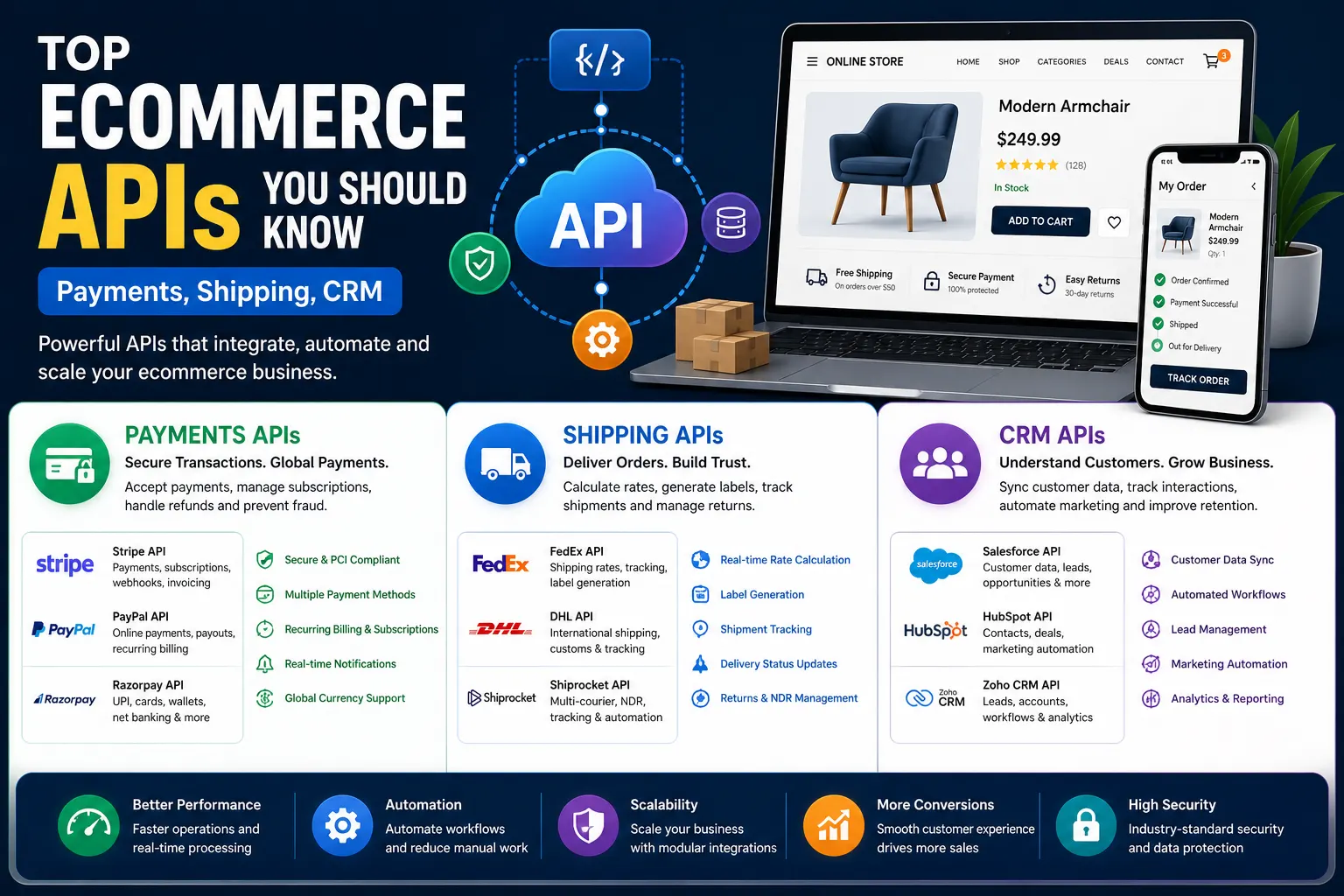
In this guide, we will explore the most critical ecommerce APIs—specifically payment APIs, shipping APIs, and CRM APIs—and explain in depth how they work, why they matter, and how they interact to power modern ecommerce platforms.
🧠 Understanding Ecommerce APIs in Depth
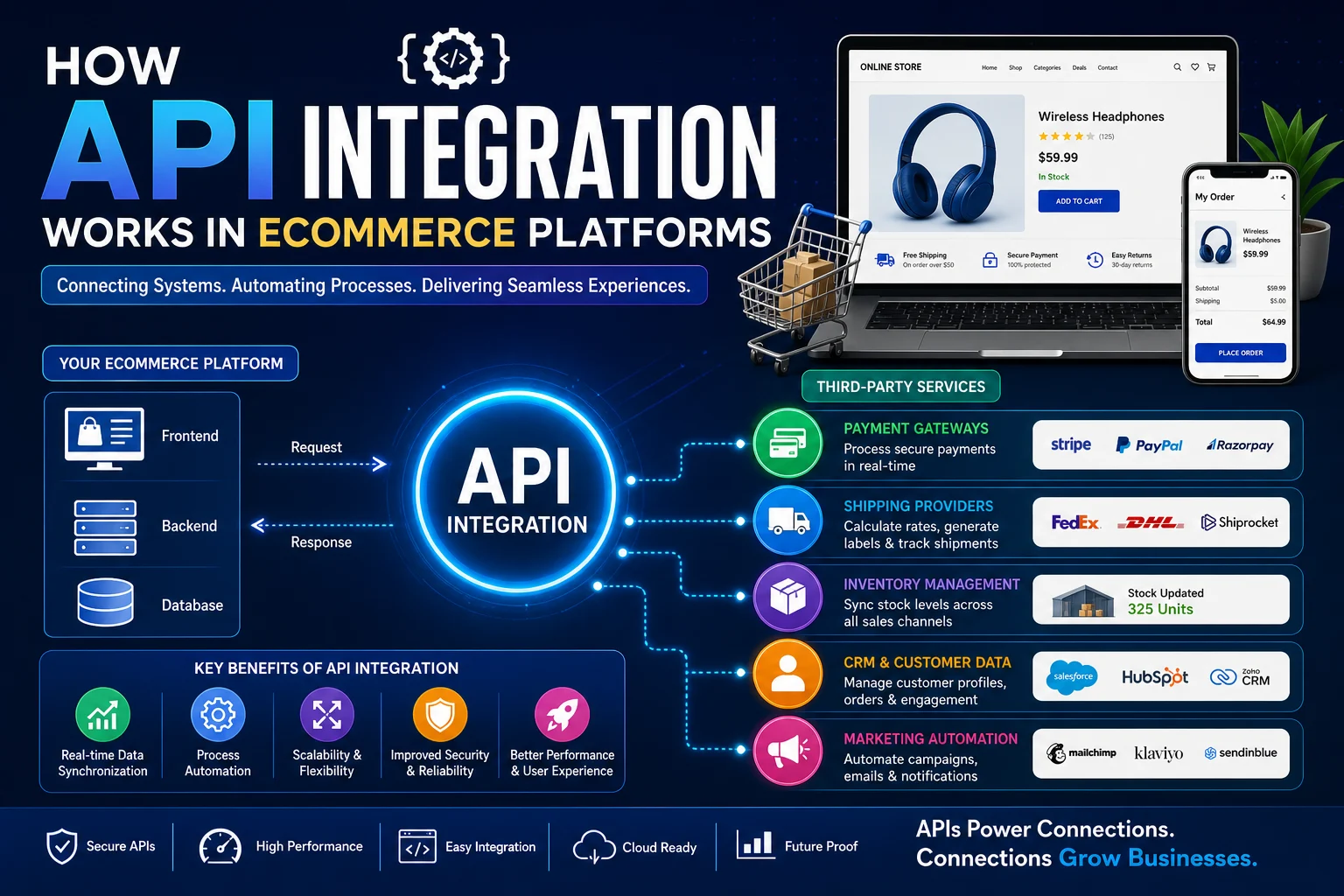
At its core, an API is a structured interface that allows two systems to communicate with each other in a secure and standardized way. In ecommerce, APIs serve as the bridge between your online store and external services that handle specialized tasks.
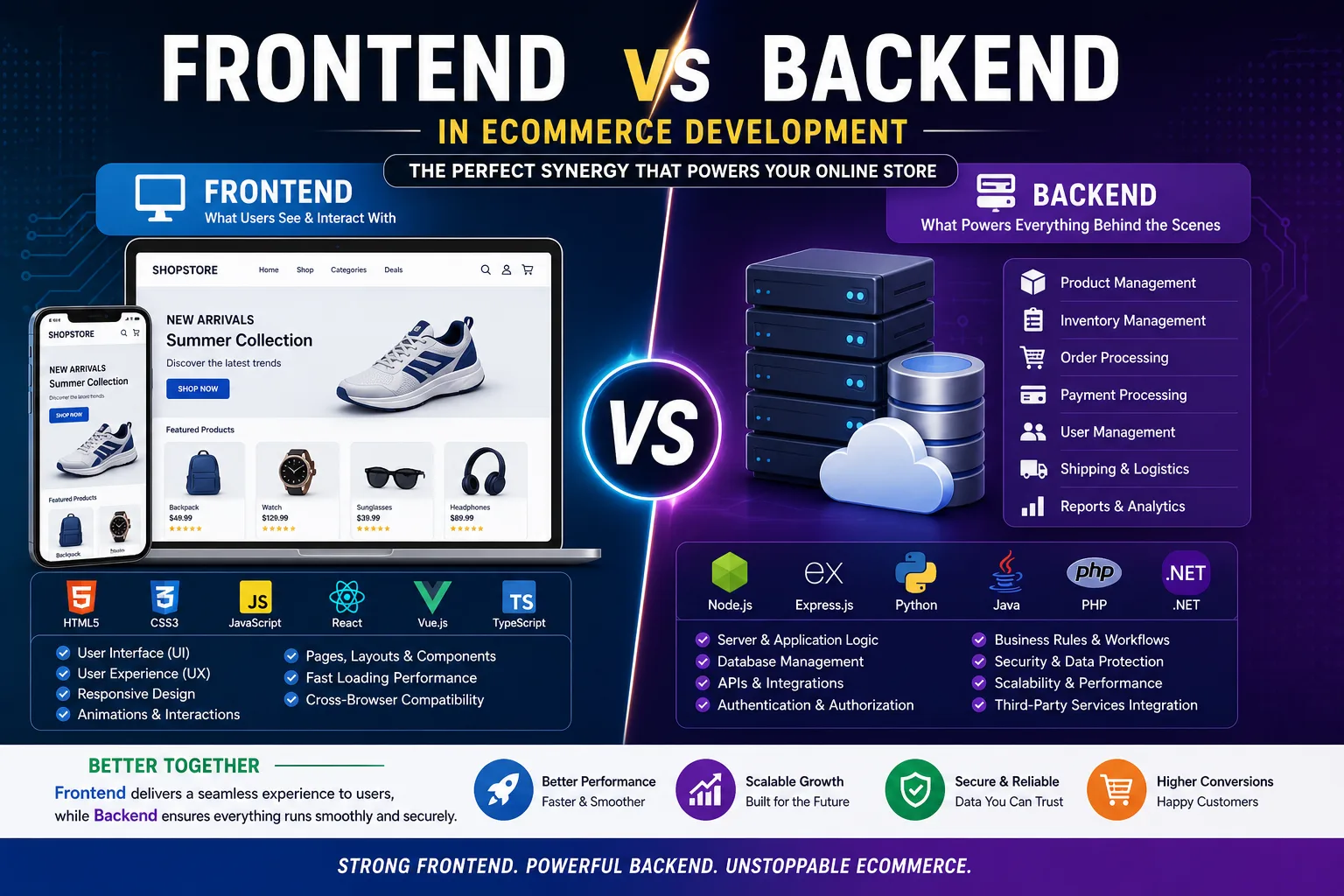
When a user performs an action on your website, such as placing an order or entering shipping details, the frontend sends a request to the backend. The backend then communicates with relevant APIs to process that request. The response is returned almost instantly, allowing the user to see updated information without any delay.
For example, when a customer checks out, your ecommerce system does not process the payment itself. Instead, it sends the payment details to a payment gateway through an API. The gateway verifies the transaction, communicates with the bank, and returns the result. This entire process happens in seconds, thanks to APIs.
👉 Learn more about API fundamentals:
https://developer.mozilla.org/en-US/docs/Learn/JavaScript/Client-side_web_APIs/Introduction
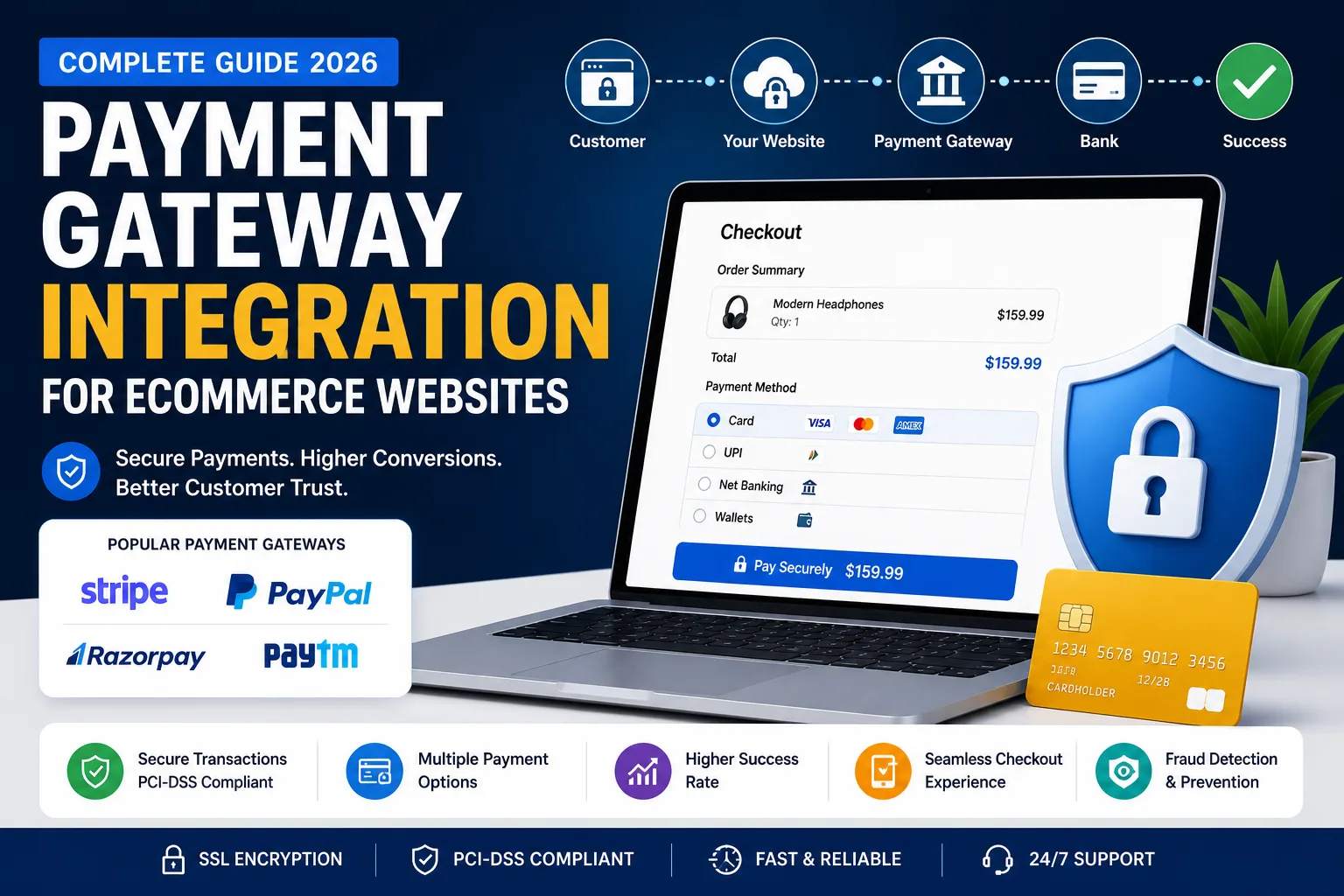
💳 Payment APIs: The Financial Backbone of Ecommerce
Payment APIs are arguably the most critical component of any ecommerce platform because they handle financial transactions. Without reliable payment processing, an online store cannot function.
🧾 How Payment APIs Work (Detailed Flow)
When a customer initiates a payment, several steps occur behind the scenes:
First, the customer enters their payment details, such as card information or UPI credentials. Instead of storing this sensitive data directly, the ecommerce platform uses a process called tokenization, where the data is converted into a secure token. This token is then sent to the payment gateway via an API.
The payment gateway validates the transaction by communicating with the customer’s bank. If the bank approves the transaction, the gateway sends a success response back to the ecommerce platform. If not, it returns a failure message. Based on this response, the platform either confirms the order or prompts the user to try again.
This entire process must be secure, fast, and reliable, as any delay or failure can result in lost sales.
🔐 Security Considerations in Payment APIs
Payment APIs operate under strict security standards to protect sensitive financial data. One of the most important standards is PCI-DSS compliance, which ensures that payment systems follow best practices for data security.
👉 https://www.pcisecuritystandards.org/
Encryption is another critical component. All data transmitted between the ecommerce platform and the payment gateway must be encrypted using HTTPS to prevent interception.
🏆 Top Payment APIs Explained
💳 Stripe
Stripe is widely regarded as one of the most developer-friendly payment APIs available today. It offers a clean, RESTful API that allows businesses to integrate payment processing with minimal effort. Stripe supports a wide range of payment methods, including credit cards, digital wallets, and recurring subscriptions.
What makes Stripe particularly powerful is its flexibility. Developers can customize the checkout experience, implement subscription billing, and even build complex payment workflows using Stripe’s API.
💳 PayPal
PayPal is one of the most trusted payment platforms globally. Its API allows businesses to accept payments from PayPal accounts, credit cards, and other sources.
👉 https://developer.paypal.com/docs/api/overview/
One of PayPal’s biggest advantages is user trust. Many customers prefer PayPal because of its buyer protection policies, which can increase conversion rates.
💳 Razorpay
Razorpay is a popular choice for Indian ecommerce businesses. It supports local payment methods such as UPI, wallets, and net banking.
👉 https://razorpay.com/docs/api/
Its API is designed to handle the unique requirements of the Indian market, making it an excellent choice for regional businesses.
🚚 Shipping APIs: Powering Logistics and Delivery
Shipping APIs are responsible for managing logistics, including calculating shipping costs, generating labels, and tracking deliveries.
📦 How Shipping APIs Work (Detailed Flow)
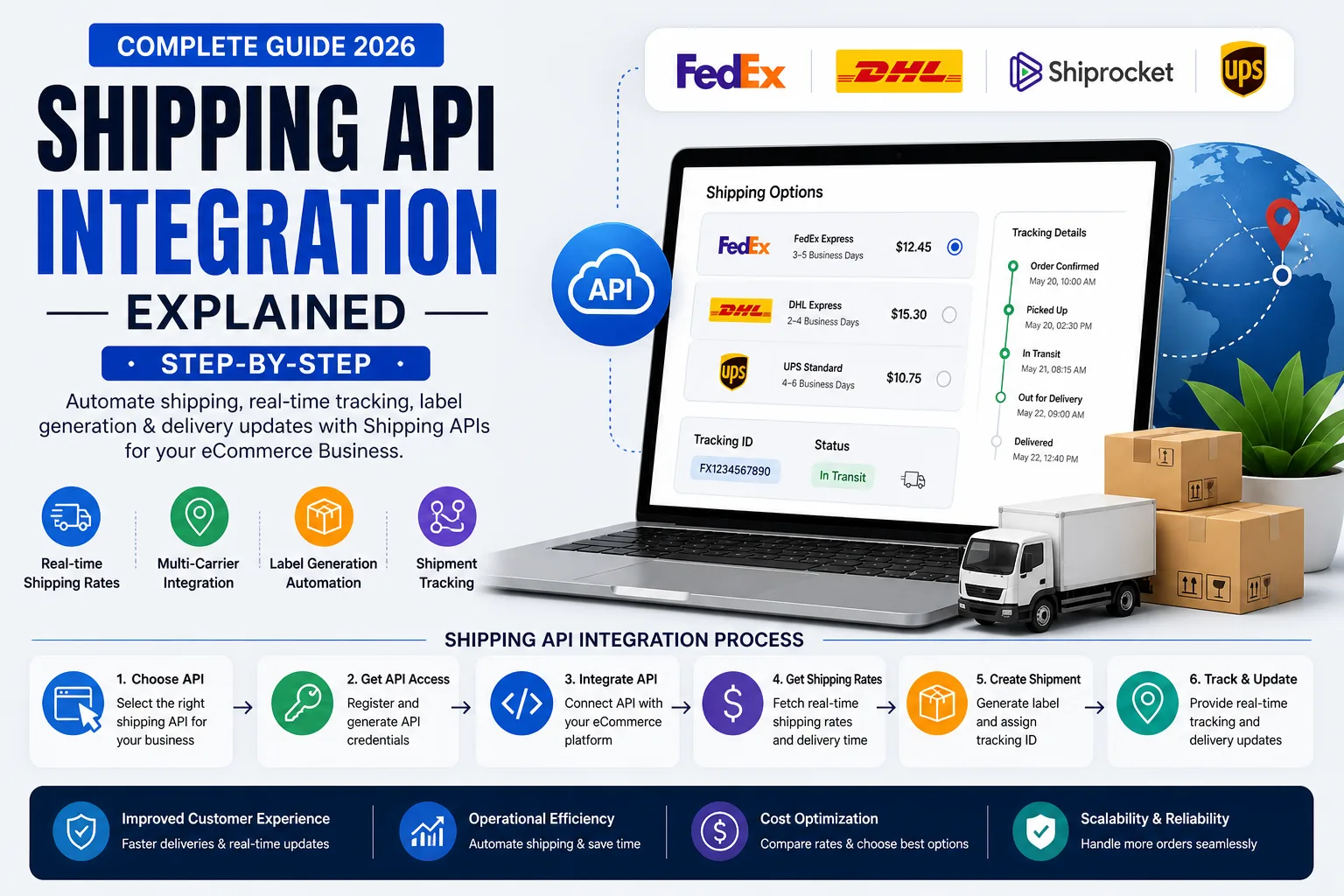
When a customer enters their shipping address, the ecommerce platform sends a request to a shipping API. The API calculates the shipping cost based on factors such as distance, weight, and delivery speed. It then returns multiple shipping options, allowing the customer to choose their preferred method.
Once the order is confirmed, the shipping API generates a shipping label and assigns a tracking number. This tracking number is then used to provide real-time updates to the customer.
🏆 Top Shipping APIs Explained
🚚 FedEx
FedEx provides a robust API that allows businesses to calculate shipping rates, generate labels, and track shipments.
👉 https://developer.fedex.com/api/en-us/home.html
🚚 DHL
DHL’s API is widely used for international shipping. It provides advanced features such as customs documentation and global tracking.
👉 https://developer.dhl.com/api-reference
🚚 Shiprocket
Shiprocket is a logistics aggregator that connects multiple courier services into a single API.
👉 https://apidocs.shiprocket.in/
⚡ Advanced Shipping Use Cases
Shipping APIs can also handle complex scenarios such as multi-warehouse fulfillment, where the system automatically selects the nearest warehouse to reduce delivery time and cost. They can also support dynamic pricing, where shipping costs adjust based on demand or location.
👥 CRM APIs: Managing Customer Relationships at Scale
CRM APIs play a crucial role in managing customer data and enabling personalized experiences.
🧠 How CRM APIs Work
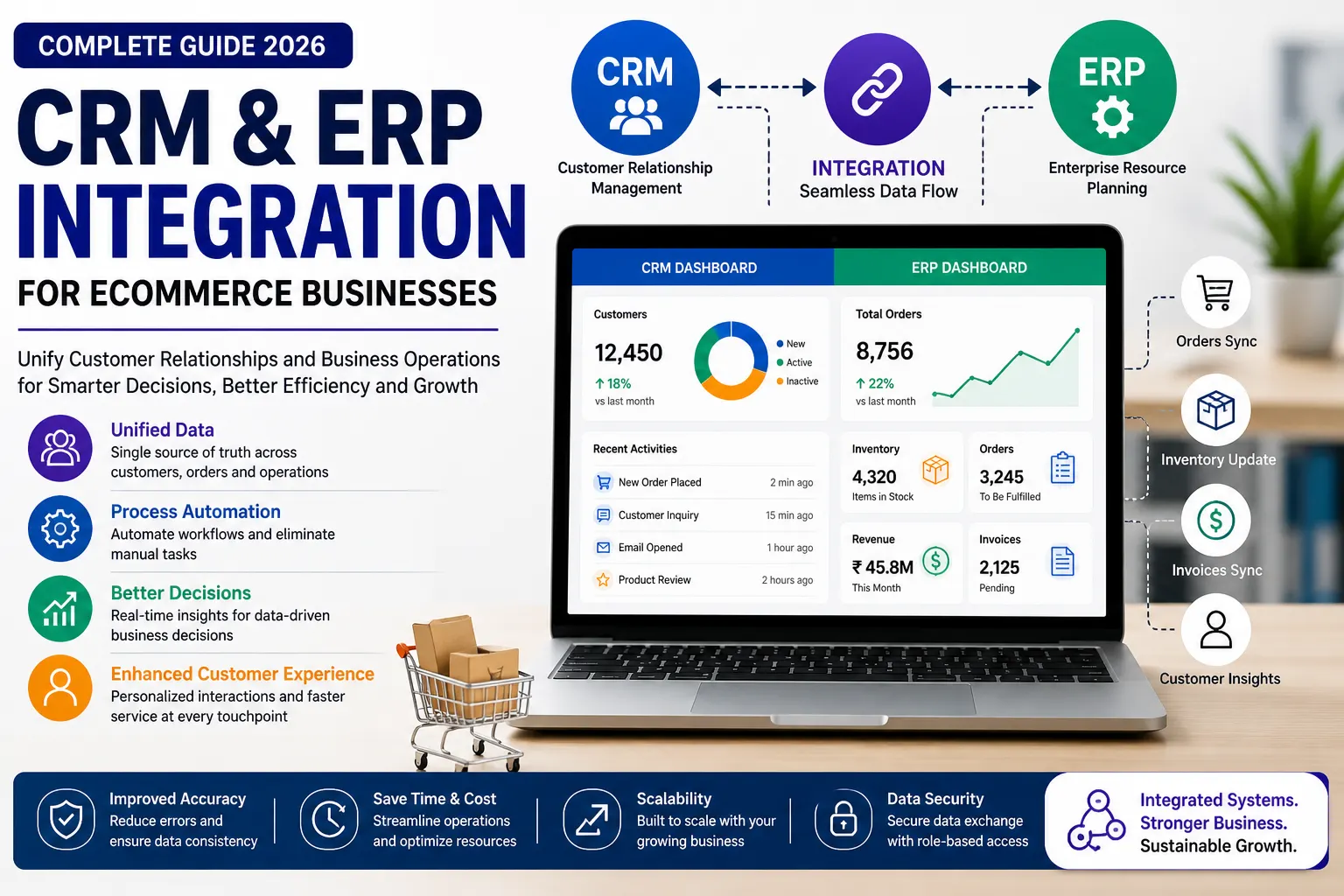
When a customer interacts with your store—whether by browsing products, making a purchase, or contacting support—their data is captured and stored in a CRM system via APIs.
This data is then used to:
- Segment customers
- Trigger marketing campaigns
- Provide personalized recommendations
🏆 Top CRM APIs Explained
👥 Salesforce
Salesforce offers one of the most powerful CRM APIs available, enabling deep integration with ecommerce platforms.
👉 https://developer.salesforce.com/
👥 HubSpot
HubSpot provides an easy-to-use API for managing customer data and marketing automation.
👉 https://developers.hubspot.com/
👥 Zoho CRM
Zoho CRM is a cost-effective solution with a comprehensive API for managing customer relationships.
👉 https://www.zoho.com/crm/developer/docs/api/
🔗 How Payment, Shipping, and CRM APIs Work Together
In a real-world ecommerce system, these APIs do not operate independently—they work together as part of a unified workflow.
When a customer places an order:
First, the payment API processes the transaction and confirms the payment. Once the payment is successful, the inventory system updates stock levels. The shipping API then calculates delivery options and generates a tracking number. Finally, the CRM API records the customer’s purchase and triggers follow-up communication such as confirmation emails or promotional offers.
This interconnected workflow ensures that the entire process—from checkout to delivery—is seamless and efficient.
⚡ Performance Optimization in API Integration
Performance is critical in ecommerce, as slow response times can lead to lost sales.
Caching is one of the most effective optimization techniques. By storing frequently accessed data, such as product details or shipping rates, the system can reduce the number of API calls and improve response times.
Another important strategy is rate limiting, which prevents APIs from being overloaded by too many requests. Efficient data fetching techniques, such as GraphQL, can also improve performance by reducing unnecessary data transfer.
🔐 Security Best Practices for Ecommerce APIs
Security is a major concern when dealing with APIs, especially those handling sensitive data.
Authentication mechanisms such as OAuth 2.0 ensure that only authorized users can access APIs.
Encryption using HTTPS protects data during transmission, while API keys and tokens help control access to different services.
Organizations should also follow security guidelines provided by OWASP to protect against common vulnerabilities.
👉 https://owasp.org/www-project-top-ten/
🔮 Future of Ecommerce APIs
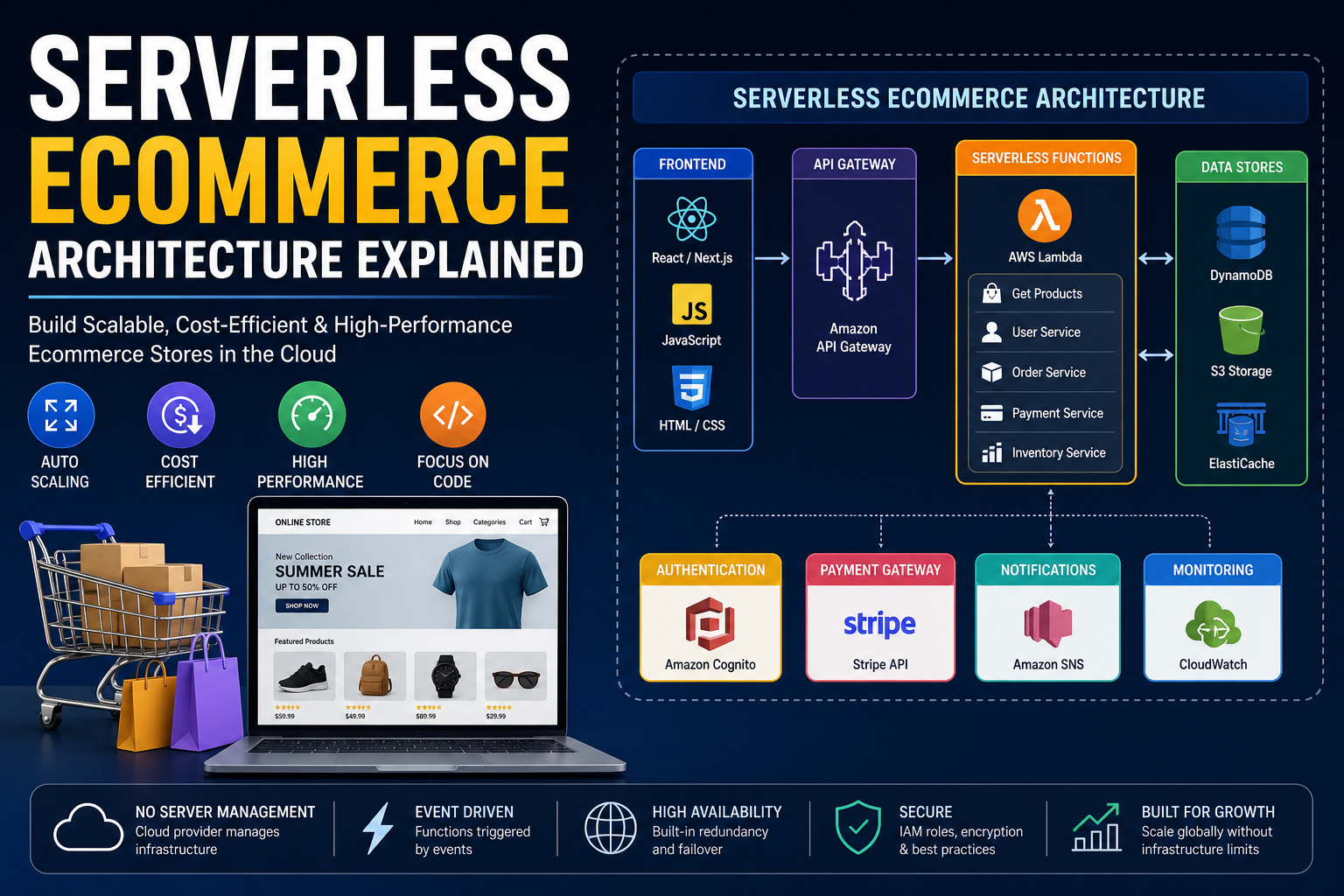
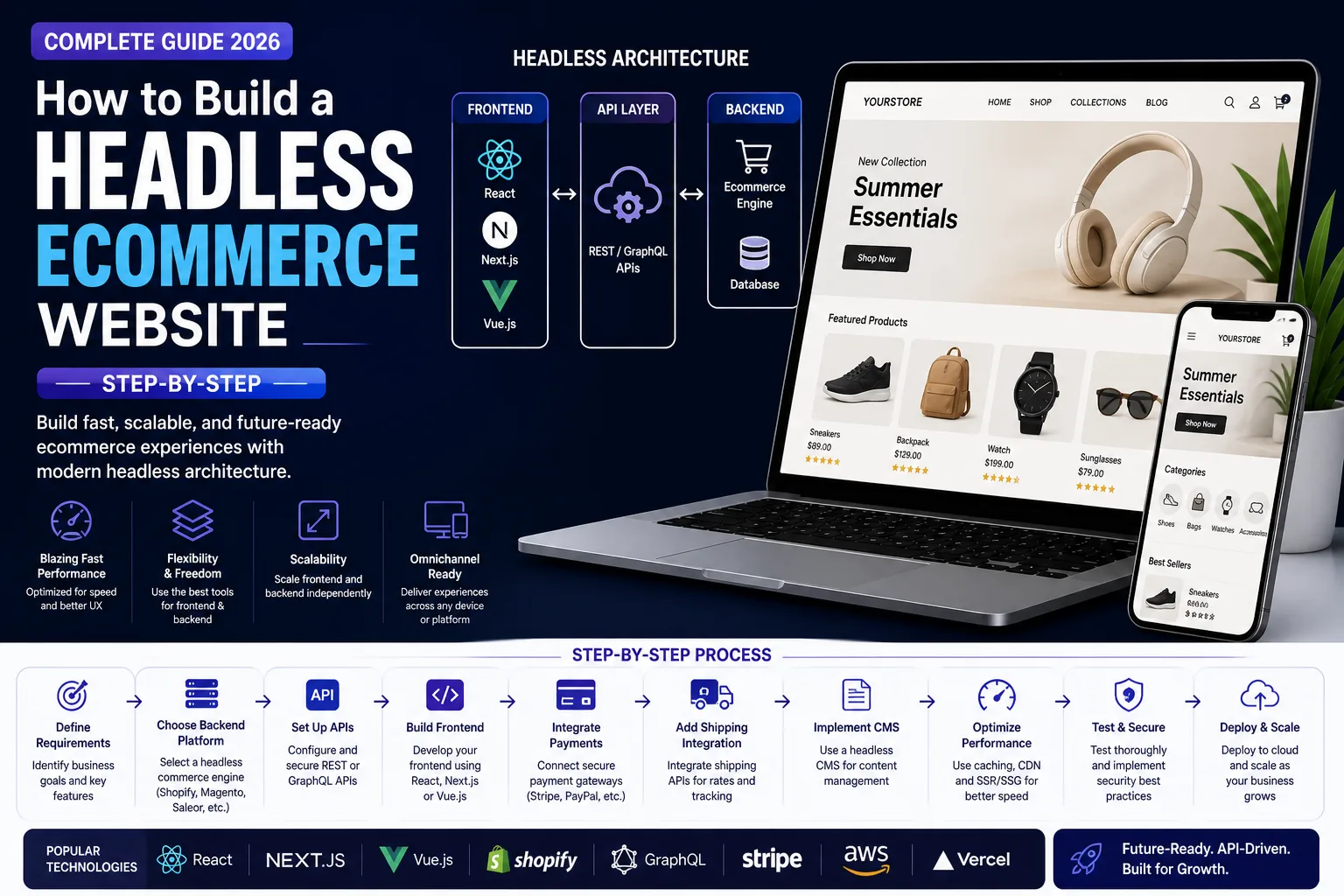
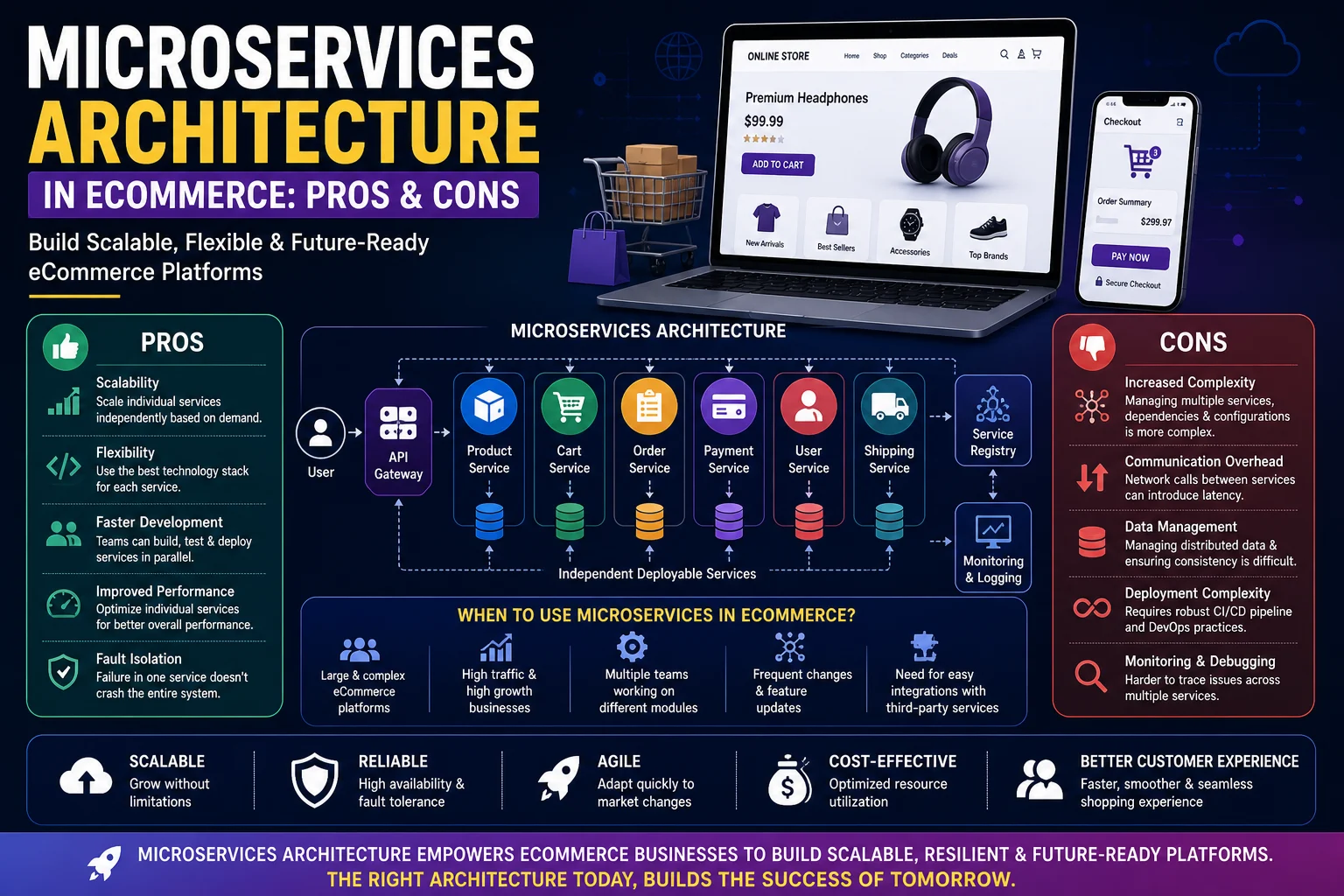
The future of ecommerce is increasingly API-driven. Trends such as headless commerce, where frontend and backend systems are decoupled, rely heavily on APIs. AI-powered APIs are enabling personalized shopping experiences, while serverless architectures are reducing infrastructure complexity.
As ecommerce continues to evolve, APIs will play an even more central role in enabling innovation and scalability.
🏁 Conclusion
APIs are not just integrations—they are the foundation of modern ecommerce systems. Payment APIs ensure secure transactions, shipping APIs enable efficient logistics, and CRM APIs drive customer engagement.
Together, these APIs create a seamless and scalable ecommerce experience that meets the demands of today’s digital consumers.
To build a powerful API-driven ecommerce platform, partner with Sri Hayavadhana Info Tech and create scalable, future-ready digital commerce solutions.