Blog
Shipping API Integration Explained (Step-by-Step Complete Guide for Ecommerce – 2026)

📘 Introduction: Why Shipping APIs Are the Backbone of Ecommerce Logistics
In ecommerce, the customer experience does not end when a purchase is completed—it extends all the way to delivery. A smooth and reliable shipping experience plays a crucial role in customer satisfaction, repeat purchases, and brand trust. In fact, delays, inaccurate delivery estimates, or lack of tracking transparency are among the most common reasons for customer dissatisfaction in online shopping.
This is where shipping API integration becomes essential.
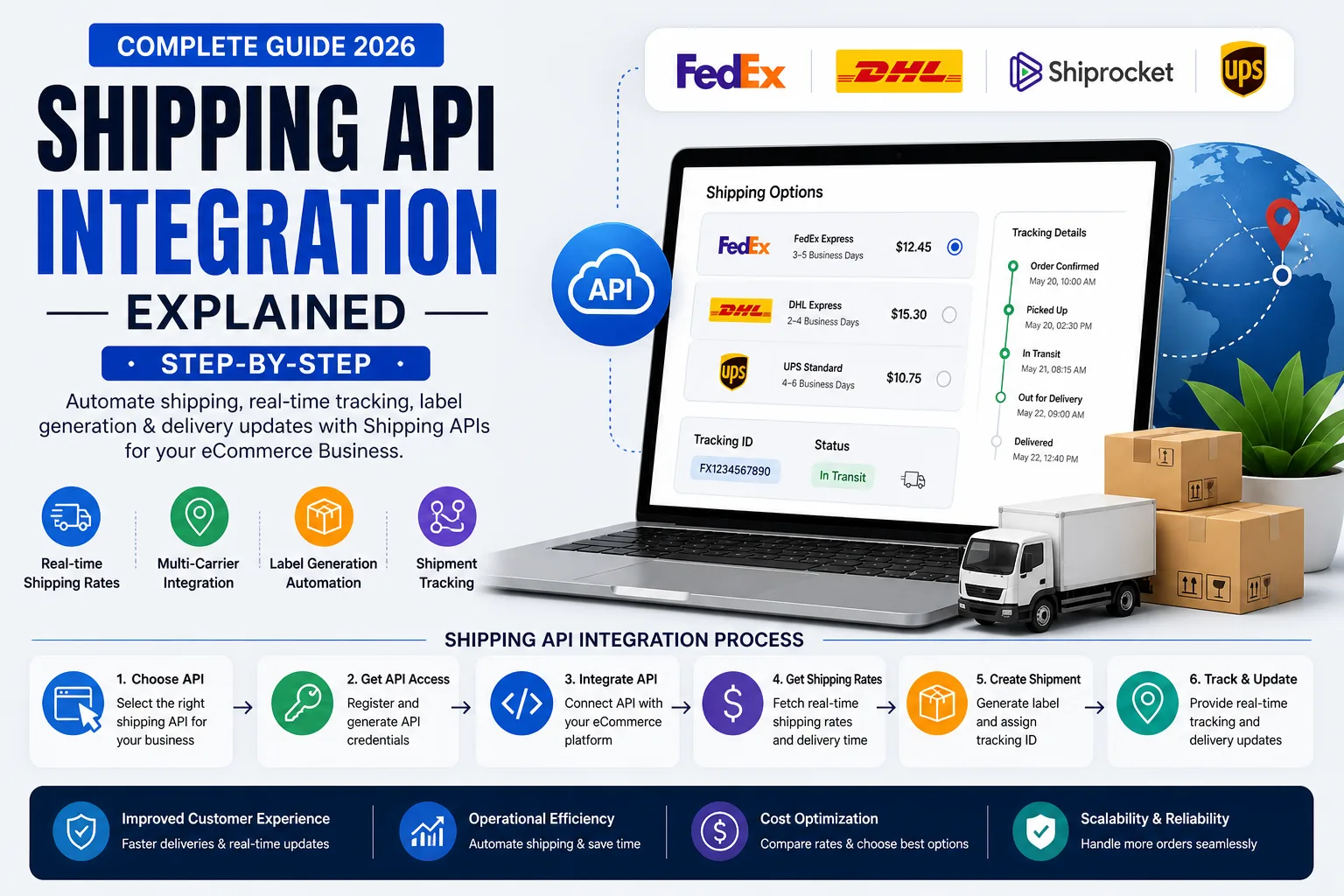
A shipping API allows your ecommerce platform to communicate directly with logistics providers, enabling real-time shipping rate calculation, automated label generation, shipment tracking, and delivery updates. Instead of manually handling shipping processes, businesses can automate logistics workflows and provide customers with accurate and transparent delivery information.
In this comprehensive guide, we will explore shipping API integration in depth, covering how it works, step-by-step implementation, technical architecture, performance optimization, and best practices for building a scalable ecommerce shipping system.
🧠 What is a Shipping API? (Detailed Explanation)
A shipping API is a set of protocols that allows your ecommerce system to interact with shipping carriers and logistics platforms. It acts as a bridge between your website and external delivery services, enabling real-time communication and automation of shipping-related processes.
When a customer enters their shipping address during checkout, your system uses a shipping API to request information from logistics providers. The API returns available shipping options, delivery timelines, and costs, which are then displayed to the customer. Once the order is placed, the same API can generate shipping labels, assign tracking numbers, and provide delivery updates.
This eliminates the need for manual coordination with courier services and ensures a seamless experience for both the business and the customer.
⚙️ How Shipping APIs Work (End-to-End Flow)
To understand shipping API integration fully, it is important to examine the entire lifecycle of a shipping request.
When a customer proceeds to checkout and enters their delivery address, the ecommerce platform sends a request to the shipping API. This request includes key details such as the destination address, product weight, dimensions, and shipping preferences.
The shipping API processes this data and communicates with one or more logistics providers. It calculates shipping costs based on distance, package weight, delivery speed, and service availability. The API then returns multiple shipping options, allowing the customer to choose their preferred delivery method.
Once the order is confirmed, the system sends another request to the shipping API to generate a shipping label. This label contains all necessary information for the courier, including sender details, recipient address, and tracking ID. The tracking number is then shared with the customer, enabling real-time shipment tracking.
Throughout the delivery process, the shipping API continuously updates the status of the shipment, ensuring that customers remain informed at every stage.
👉 Learn more about API fundamentals:
https://developer.mozilla.org/en-US/docs/Learn/JavaScript/Client-side_web_APIs/Introduction
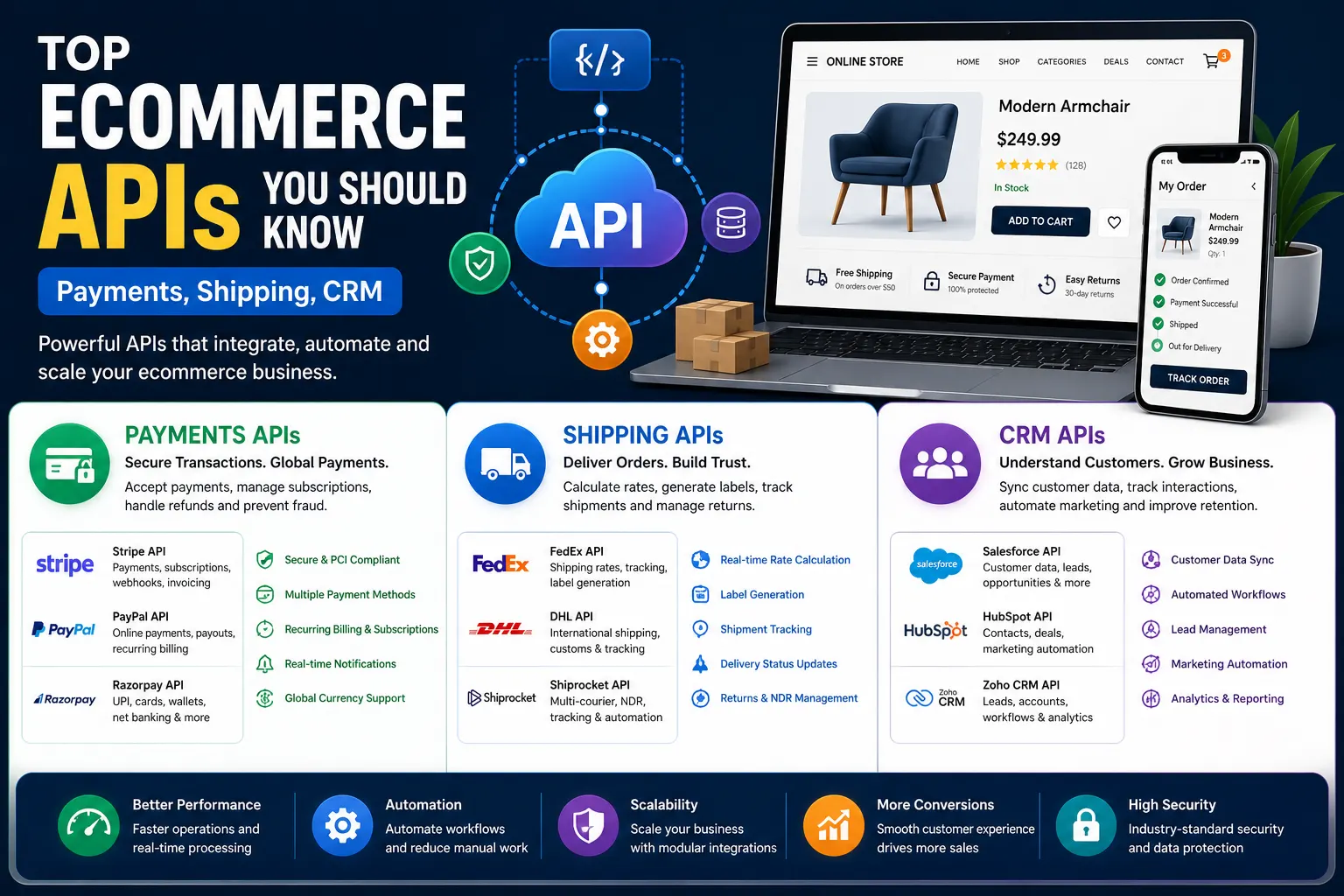
🧩 Types of Shipping APIs Used in Ecommerce
Shipping APIs vary depending on business requirements and logistics complexity.
🔹 Carrier APIs
Carrier APIs are provided by individual logistics companies and allow direct integration with their services. These APIs offer features such as rate calculation, shipment creation, and tracking.
Examples include:
- FedEx → https://developer.fedex.com/api/en-us/home.html
- DHL → https://developer.dhl.com/api-reference
Carrier APIs are ideal for businesses that work with specific logistics providers.
🔹 Aggregator APIs
Aggregator APIs connect multiple courier services through a single integration. This allows businesses to compare shipping options and choose the most cost-effective or fastest delivery method.
Example:
- Shiprocket → https://apidocs.shiprocket.in/
Aggregator APIs are especially useful for ecommerce businesses operating in multiple regions or requiring flexible shipping options.
🔹 Custom Logistics APIs
Large enterprises often build custom APIs to manage their own logistics networks, warehouses, and delivery systems. These APIs provide complete control over shipping operations but require significant development effort.
🏗️ Shipping API Integration Architecture (Deep Explanation)
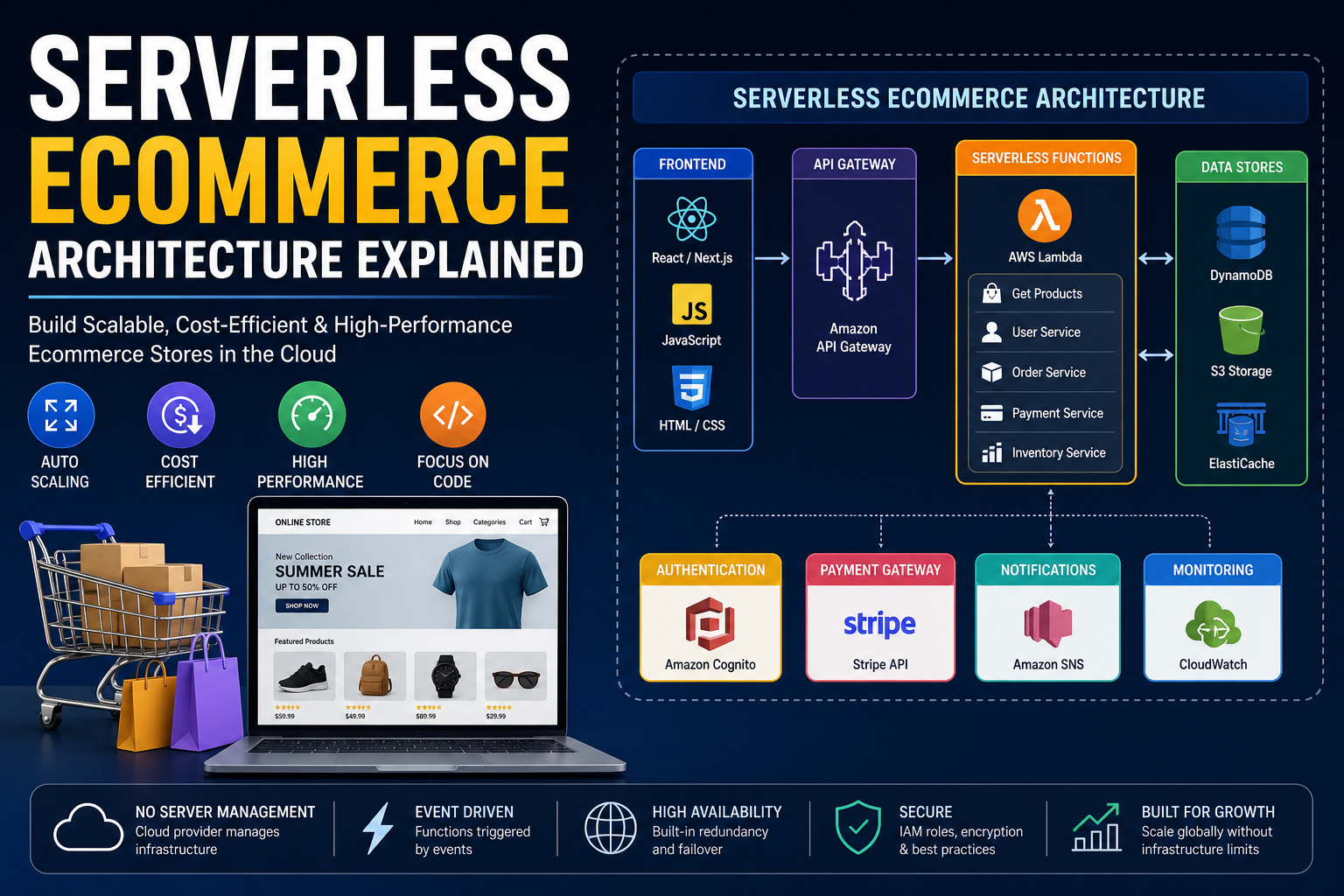
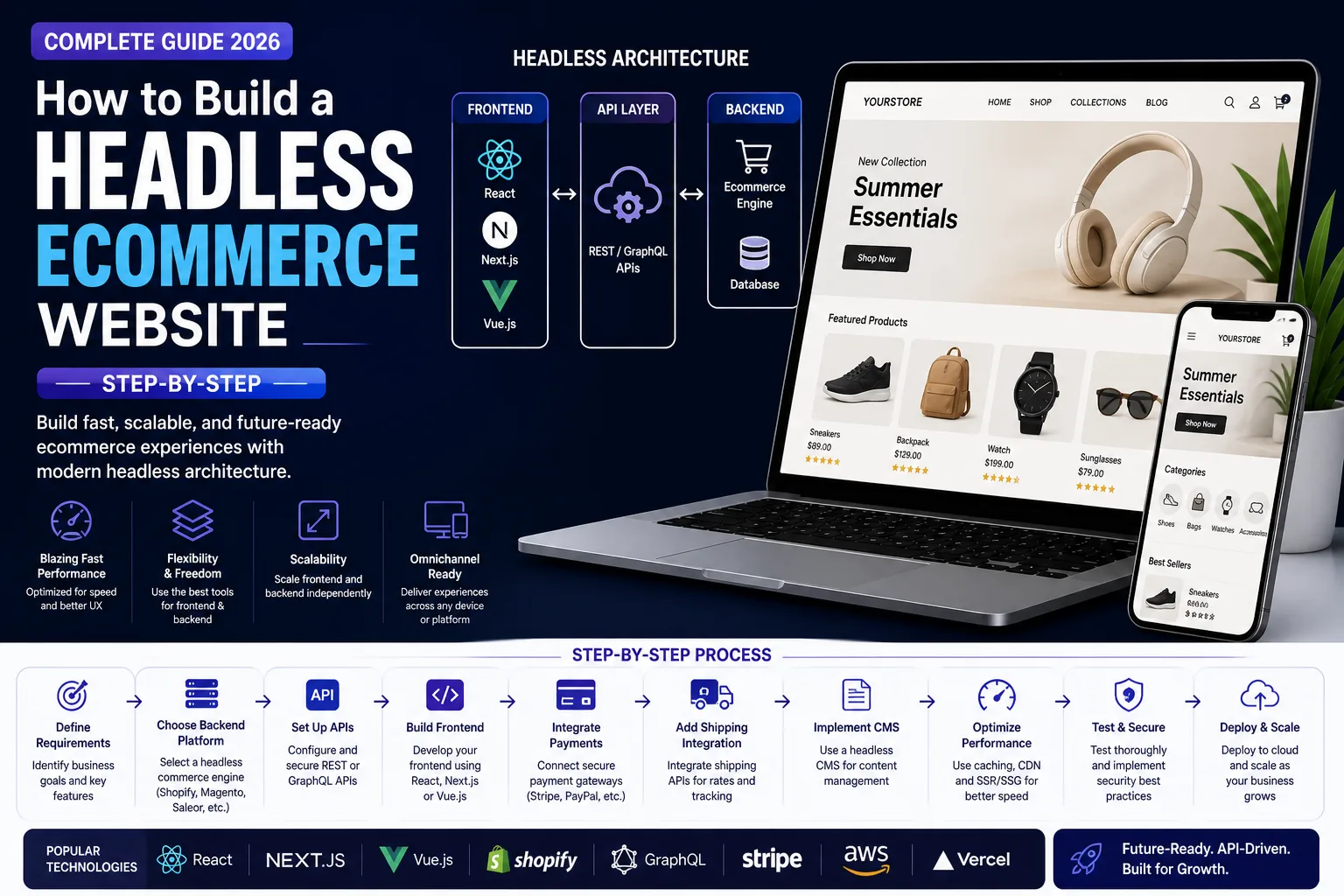
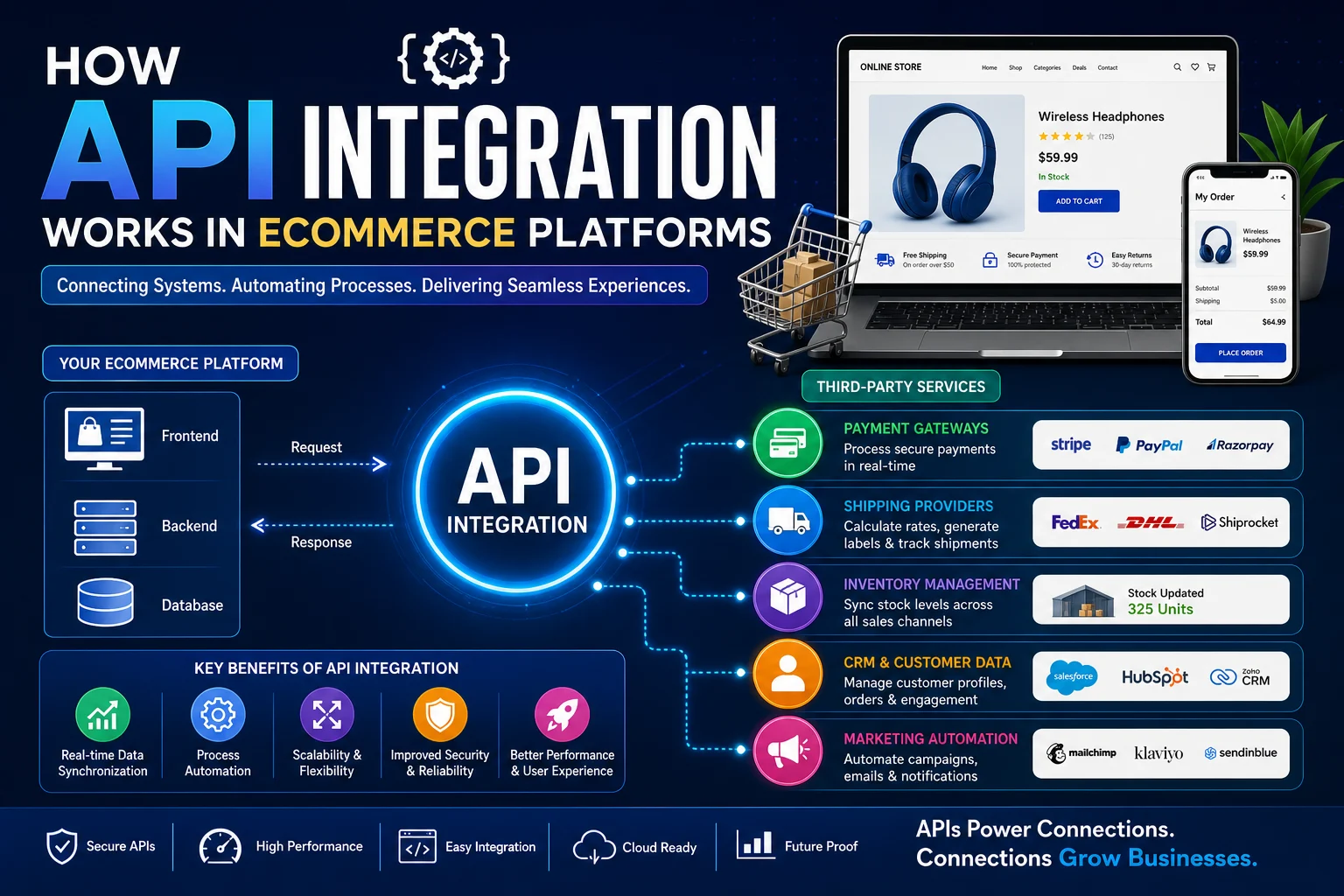
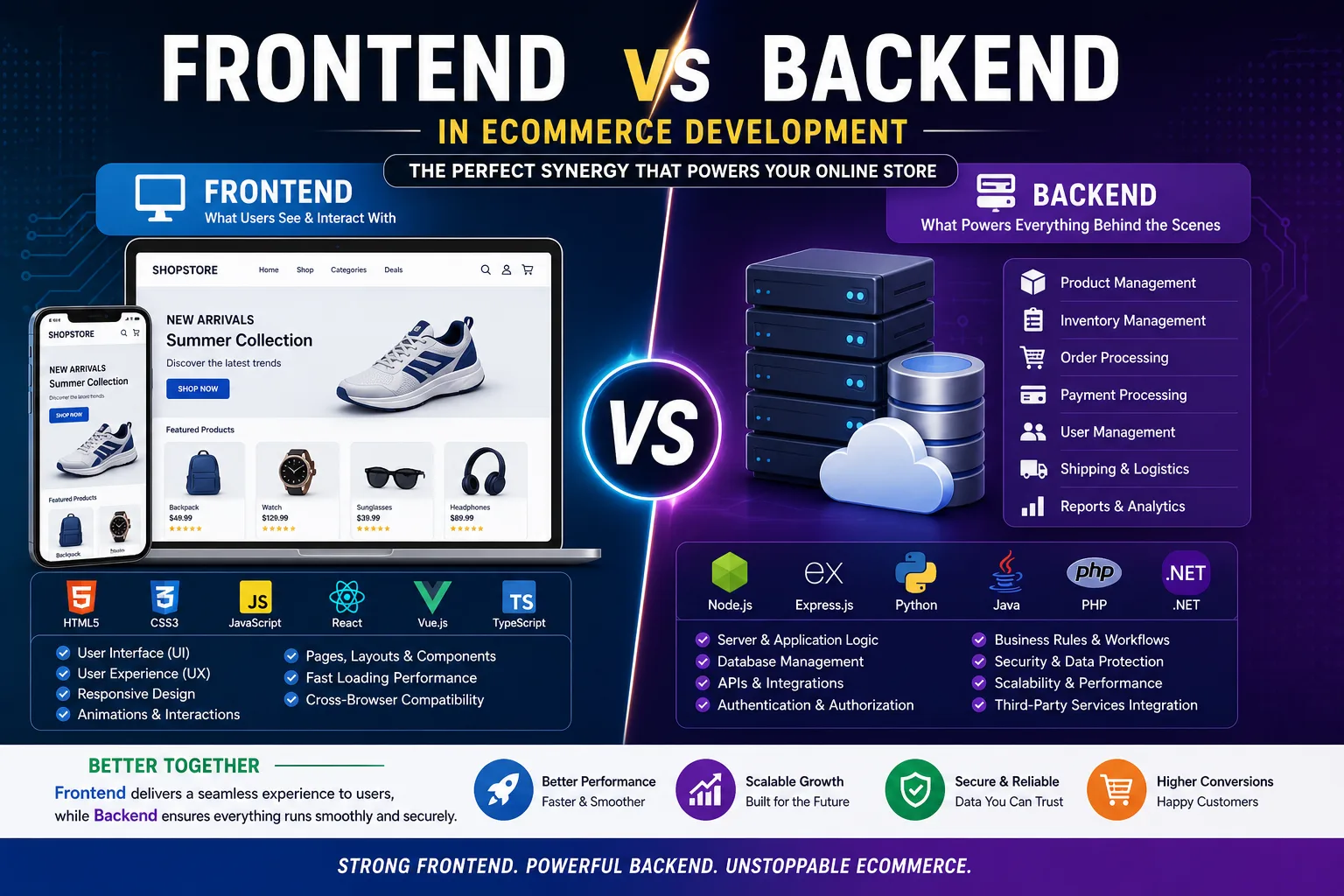
Shipping API integration is typically part of a larger ecommerce architecture involving frontend, backend, and external services.
When a user interacts with the checkout page, the frontend sends a request to the backend server. The backend processes this request and communicates with the shipping API. The API returns shipping options, which are then displayed to the user.
This architecture ensures that sensitive operations, such as API calls and data processing, are handled securely on the server side.
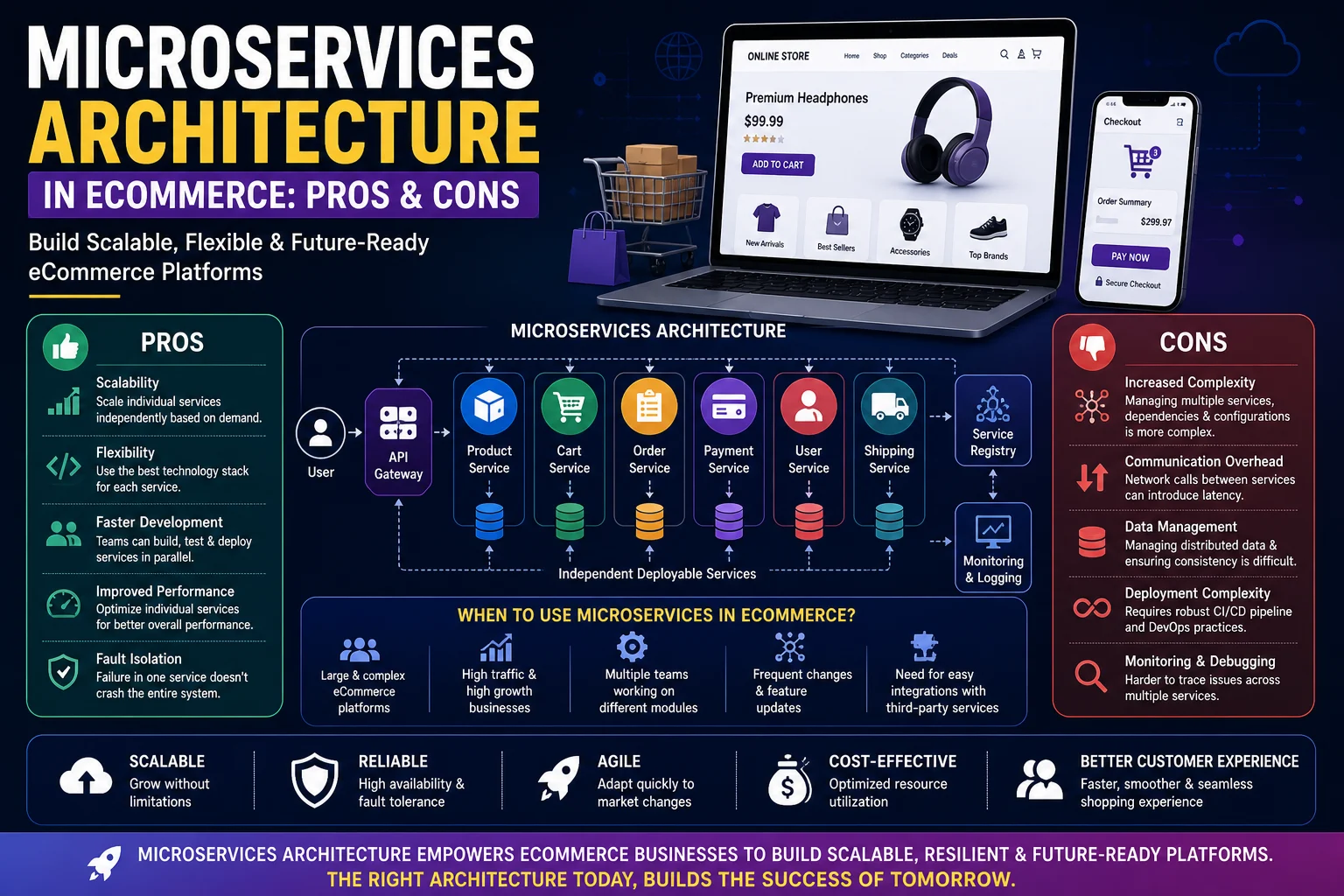
In modern ecommerce systems, shipping APIs are often integrated into microservices architecture, where each service operates independently. This allows businesses to scale their logistics operations without affecting other parts of the system.
🔄 Step-by-Step Shipping API Integration Process
Step 1: Choose the Right Shipping API
The first step is selecting a shipping API that aligns with your business needs. Factors to consider include geographic coverage, pricing, delivery speed, and integration complexity.
Step 2: Register and Obtain API Credentials
After choosing a provider, you need to create an account and obtain API keys. These credentials are used to authenticate requests and ensure secure communication.
Step 3: Integrate Shipping API into Backend
The backend system is responsible for making API calls. Developers must configure endpoints, handle request parameters, and process responses.
Step 4: Display Shipping Options on Frontend
Once the API returns data, the frontend must present shipping options clearly, allowing users to choose their preferred method.
Step 5: Generate Shipping Labels
After order confirmation, the system uses the API to generate shipping labels and assign tracking numbers.
Step 6: Enable Shipment Tracking
Tracking APIs provide real-time updates, which can be displayed on the website or sent via email/SMS.
Step 7: Test Integration
Before going live, test the integration using sandbox environments provided by shipping APIs.
⚡ Advanced Shipping API Use Cases
Shipping APIs can handle complex logistics scenarios beyond basic delivery.
🚀 Multi-Warehouse Fulfillment
Shipping APIs can automatically select the nearest warehouse to reduce delivery time and cost.
🚀 Dynamic Shipping Pricing
Shipping costs can be adjusted based on factors such as demand, location, and delivery speed.
🚀 International Shipping
APIs can handle customs documentation, taxes, and cross-border logistics.
🔐 Security Considerations in Shipping APIs
Although shipping APIs do not handle financial data, they still process sensitive information such as addresses and customer details.
Security measures include:
- HTTPS encryption
- API authentication using keys or tokens
- Input validation to prevent malicious data
Developers should follow best practices from OWASP:
👉 https://owasp.org/www-project-top-ten/
⚡ Performance Optimization for Shipping APIs
Shipping APIs must be optimized to ensure fast response times during checkout.
🚀 Caching Shipping Rates
Caching frequently requested shipping rates reduces API calls and improves performance.
🚀 Reducing Latency
Using regional servers and efficient API endpoints minimizes delays.
🚀 Batch Processing
Handling multiple requests together improves efficiency in high-traffic environments.
📈 SEO & Conversion Impact of Shipping Experience
Shipping experience directly influences ecommerce performance.
Customers are more likely to complete purchases when:
- Shipping costs are transparent
- Delivery times are accurate
- Tracking information is available
A poor shipping experience can lead to cart abandonment and negative reviews.
☁️ Cloud Integration with Shipping APIs
Shipping APIs perform best when integrated with cloud infrastructure.
Platforms:
- Amazon Web Services → https://aws.amazon.com/logistics/
- Google Cloud Platform → https://cloud.google.com/solutions/supply-chain
🔮 Future Trends in Shipping API Integration
The logistics industry is evolving rapidly, and APIs are at the center of this transformation.
Future trends include:
- AI-based route optimization
- Real-time delivery predictions
- Drone and autonomous delivery integration
- Sustainable shipping solutions
🏁 Conclusion
Shipping API integration is not just a technical enhancement—it is a strategic necessity for modern ecommerce businesses. By automating logistics processes, improving delivery transparency, and enabling real-time tracking, shipping APIs enhance both operational efficiency and customer experience.
Businesses that invest in robust shipping integration gain a competitive advantage by delivering faster, more reliable, and more transparent shipping experiences.
To implement advanced shipping API integrations and build a scalable ecommerce logistics system, partner with Sri Hayavadhana Info Tech and create a future-ready ecommerce platform.