Blog
Ecommerce Funnel Optimization Explained (Complete Guide for 2026)

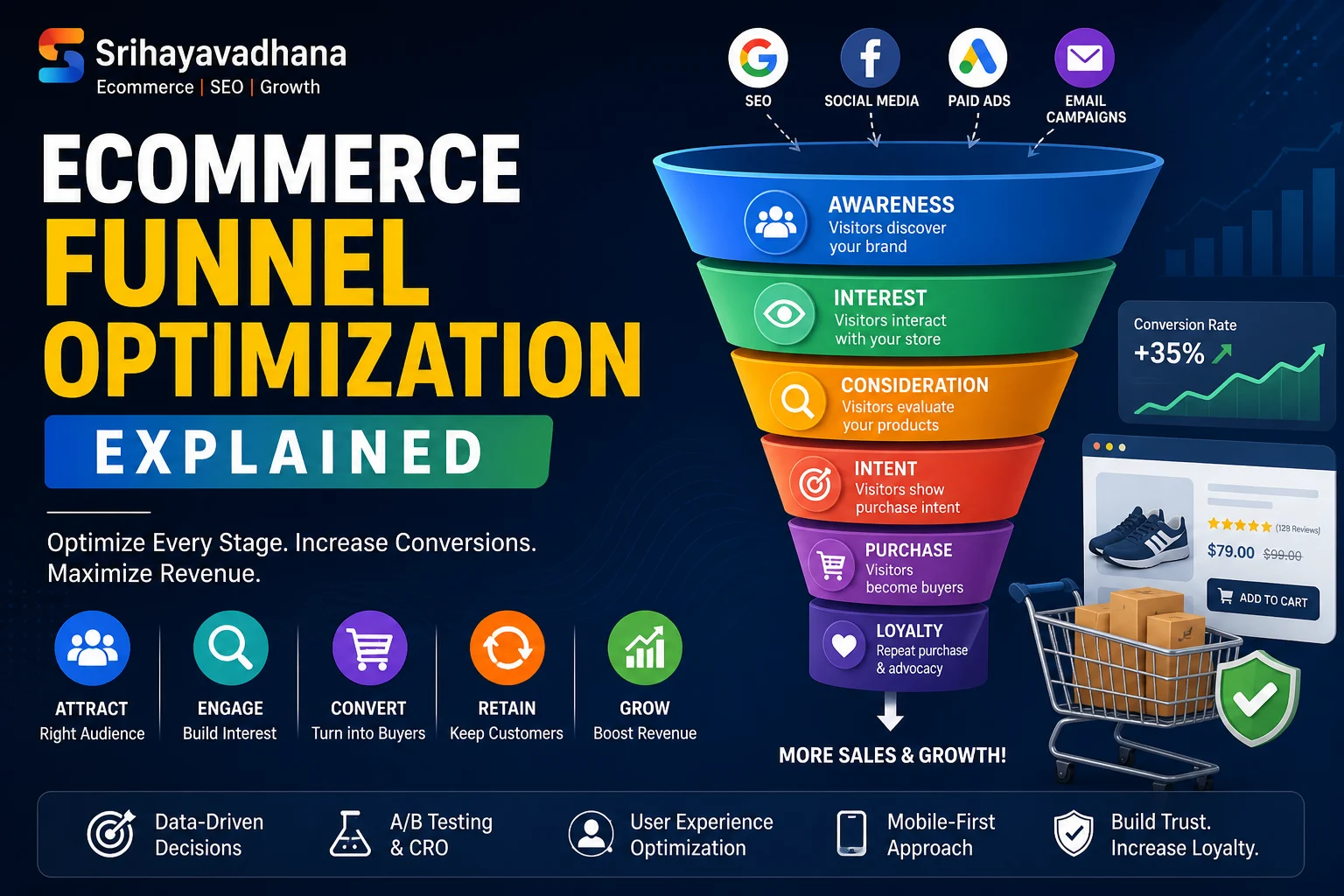
Why Ecommerce Funnel Optimization Is the Real Growth Lever
Most ecommerce businesses believe growth comes from increasing traffic. They invest in SEO, paid ads, influencer marketing, and social media campaigns. While traffic is important, it is not the primary driver of revenue. The real growth lever lies in how effectively your business converts visitors into paying customers—and that depends on your ecommerce funnel.
An ecommerce funnel represents the entire journey a user takes, from discovering your brand to completing a purchase and becoming a repeat customer. At each stage of this funnel, users drop off. Even small inefficiencies can result in massive revenue losses.
For example, if 10,000 users visit your store and only 2% convert, that means 9,800 users leave without buying. Funnel optimization focuses on reducing these drop-offs at every stage, increasing the percentage of users who move forward.
Leading platforms like Shopify and BigCommerce emphasize funnel optimization as a core strategy because it directly impacts revenue without increasing marketing spend.
This guide will walk you through:
- What an ecommerce funnel is
- Each stage in detail
- How to identify leaks
- Proven strategies to optimize conversions
- Tools and frameworks used by high-performing brands
What Is an Ecommerce Funnel?
An ecommerce funnel is a structured representation of the customer journey. It breaks down how users move from awareness to purchase.
Basic Funnel Structure
- Awareness
- Interest
- Consideration
- Intent
- Purchase
- Retention
Each stage narrows down users—like a funnel—because not everyone continues to the next step.
Why Funnel Optimization Matters More Than Traffic
Driving traffic is expensive. Platforms like Google Ads and Meta Ads can generate visitors quickly, but without optimization, most of that traffic is wasted.
Example
- 50,000 visitors
- 2% conversion rate → 1,000 orders
If you increase conversion rate to 3%:
- 1,500 orders
That’s a 50% revenue increase without additional traffic.
The 6 Stages of Ecommerce Funnel (Detailed Breakdown)
1. Awareness Stage (Top of Funnel)
This is where users first discover your brand.
Traffic Sources
- Search engines
- Social media
- Paid ads
- Referrals
SEO Role in Awareness
Search engines are one of the highest-quality traffic sources. Tools like
👉 Google Search Console
help identify what users are searching for.
How to Optimize Awareness Stage
Create High-Intent Content
- Blog posts
- Guides
- Product comparisons
Target Right Keywords
Focus on:
- Informational queries
- Problem-solving keywords
Improve Click-Through Rate (CTR)
- Strong meta titles
- Engaging descriptions
2. Interest Stage (Engagement Begins)
Once users land on your site, they decide whether to stay or leave.
Key Metrics
- Bounce rate
- Time on page
- Pages per session
Optimization Strategies
Clear Value Proposition
Users should instantly understand:
- What you sell
- Why it matters
Website Design
Clean layout, fast speed, and intuitive navigation are critical.
Use tools like
👉 Google PageSpeed Insights
Content Quality
Your content should:
- Solve problems
- Provide value
- Guide users forward
3. Consideration Stage (Product Evaluation)
At this stage, users are comparing options.
What Users Do
- Browse products
- Read reviews
- Compare pricing
Optimization Strategies
Product Page Optimization
Include:
- High-quality images
- Detailed descriptions
- Videos
Social Proof
Show:
- Ratings
- Reviews
- Testimonials
Platforms like Trustpilot enhance credibility.
Comparison Content
Help users decide faster:
- “Best vs Alternatives”
- “Top 10 Products”
4. Intent Stage (High Purchase Intent)
Users show strong buying signals:
- Add to cart
- Save items
- Return visits
Optimization Strategies
Strong CTAs
Examples:
- Buy Now
- Add to Cart
Urgency Triggers
- Limited stock
- Time-based offers
Pricing Optimization
Use:
- Discounts
- Bundles
- Free shipping thresholds
5. Purchase Stage (Conversion Happens)
This is where checkout optimization plays a major role.
Key Factors
- Checkout simplicity
- Payment options
- Trust signals
Payment gateways like Razorpay improve conversion rates.
Optimization Strategies
- Guest checkout
- Minimal form fields
- Multiple payment methods
6. Retention Stage (Most Ignored Stage)
Most businesses stop at purchase. That’s a mistake.
Why Retention Matters
Repeat customers:
- Convert faster
- Spend more
- Cost less to acquire
Optimization Strategies
Email Marketing
- Welcome emails
- Post-purchase follow-ups
Loyalty Programs
Reward repeat buyers.
Personalized Recommendations
Increase repeat purchases.
Identifying Funnel Leaks (Critical Step)
Before optimizing, you must identify where users drop off.
Tools for Funnel Analysis
- Google Analytics
- Hotjar
Key Metrics to Track
- Conversion rate per stage
- Drop-off rate
- Customer journey flow
Common Funnel Problems
1. High Bounce Rate
Cause:
- Poor landing page
- Slow speed
2. Low Add-to-Cart Rate
Cause:
- Weak product pages
- Lack of trust
3. High Cart Abandonment
Cause:
- Poor checkout experience
4. Low Repeat Purchases
Cause:
- No retention strategy
Funnel Optimization Framework
Step 1: Analyze Data
Identify weak stages.
Step 2: Prioritize Fixes
Focus on high-impact areas.
Step 3: Test Changes
Run experiments.
Step 4: Scale Winners
Implement successful improvements.
Psychological Principles Behind Funnel Optimization
1. Trust
Users buy only when they feel safe.
2. Simplicity
Less complexity = higher conversions.
3. Urgency
Encourages faster decisions.
4. Social Proof
People follow others.
Ecommerce funnel optimization is not about a single tactic—it’s about improving the entire customer journey.
Every stage matters.
Ecommerce Funnel Optimization Explained (Advanced Strategies & Systems)
Advanced Funnel Mapping: Moving Beyond Basic Stages
Most businesses stop at a simple 3–5 stage funnel. That’s too shallow.
High-performing ecommerce brands break the funnel into micro-stages, allowing precise optimization.
Expanded Funnel Model
- Awareness
- Landing Page Engagement
- Product Discovery
- Product Evaluation
- Add to Cart
- Checkout Initiation
- Payment Completion
- Post-Purchase Engagement
- Retention & Loyalty
Each micro-stage has its own:
- Drop-off points
- Behavioral patterns
- Optimization opportunities
Landing Page Optimization (Top Funnel Conversion Driver)
Your landing page determines whether traffic turns into engagement.
Platforms like Google Ads and Meta Ads can drive traffic—but landing pages decide conversions.
Message Match Principle
Your landing page must match:
- Ad headline
- Offer
- Audience intent
Example:
Ad:
“Flat 50% Off Shoes”
Landing page must:
- Show discounted shoes immediately
- Highlight the same offer
Above-the-Fold Optimization
Users decide within seconds whether to stay.
Include:
- Clear headline
- Value proposition
- CTA
- Trust signals
Product Discovery Optimization
Users must easily find what they want.
Key Improvements
1. Smart Navigation
- Clear categories
- Logical structure
2. Search Optimization
- Auto-suggestions
- Error tolerance
3. Filters & Sorting
- Price
- Popularity
- Ratings
Why It Matters
If users can’t find products quickly, they leave—even if your products are great.
Product Page Optimization (Conversion Core)
This is one of the most important funnel stages.
High-Converting Product Page Elements
1. Visual Content
- High-quality images
- Multiple angles
- Videos
2. Benefit-Driven Descriptions
Instead of listing features:
Explain outcomes.
3. Social Proof
Use:
- Reviews
- Ratings
- Testimonials
Platforms like Trustpilot help build credibility.
4. Clear Pricing
Show:
- Price
- Discount
- Savings
Add-to-Cart Optimization
Many users drop off here.
Strategies
Strong CTA Buttons
- Add to Cart
- Buy Now
Reduce Friction
- No forced login
- Clear next steps
Show Incentives
- Free shipping
- Limited-time offers
Checkout Funnel Optimization (Deep Layer)
This stage has already been covered in detail, but here’s how it fits into funnel optimization:
Key Focus Areas
- Reduce steps
- Offer multiple payment options
- Build trust
Payment platforms like Razorpay help improve success rates.
Funnel Personalization (Game-Changer)
Personalization increases conversion by making experiences relevant.
Types of Personalization
1. Behavioral Personalization
- Based on browsing history
2. Location-Based Personalization
- Show local offers
3. Device-Based Personalization
- Optimize mobile vs desktop
Example
Returning user:
- Show recently viewed products
New user:
- Show bestsellers
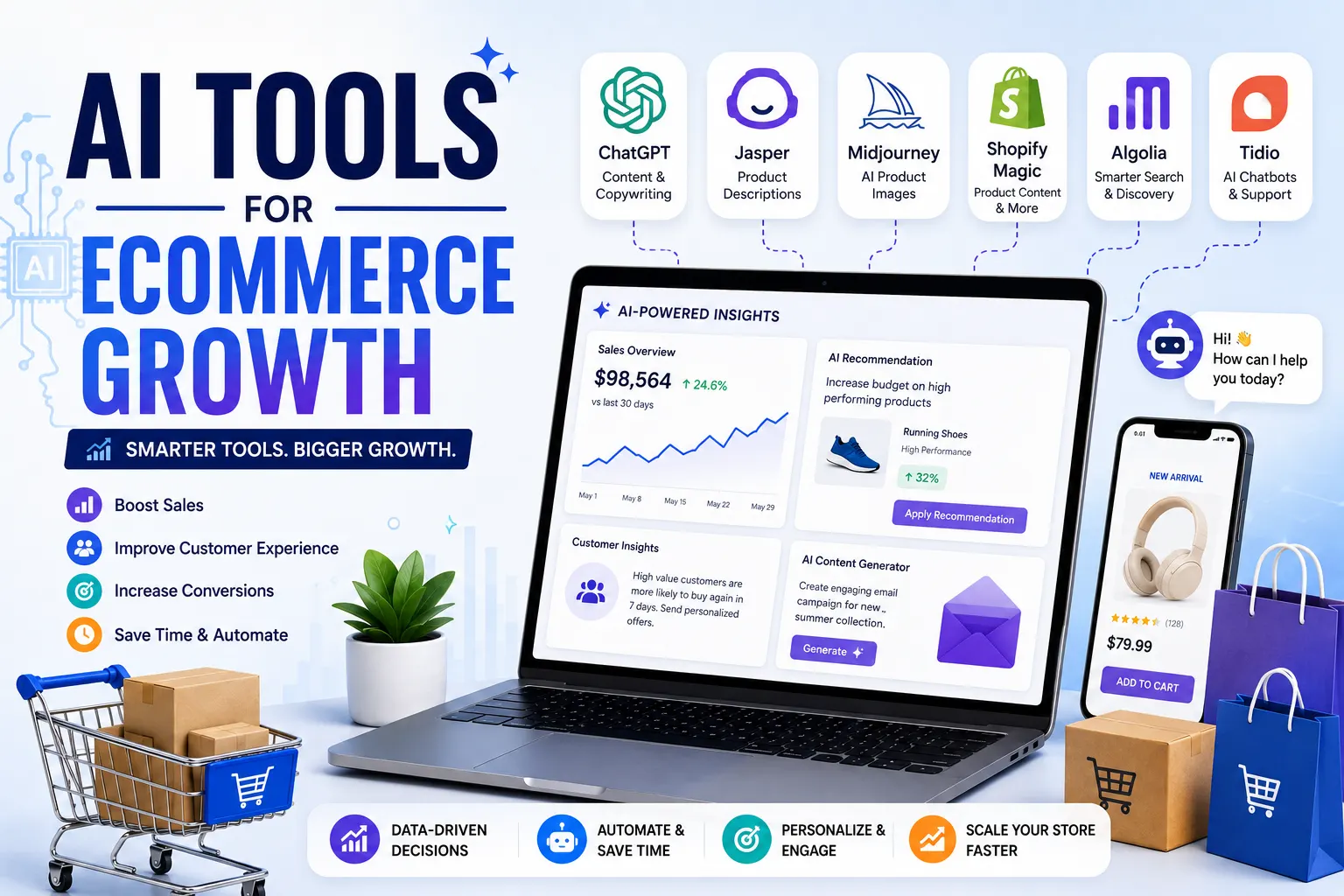
AI & Automation in Funnel Optimization
Modern ecommerce uses AI to optimize funnels dynamically.
AI Use Cases
- Product recommendations
- Predictive analytics
- Dynamic pricing
Benefits
- Increased conversions
- Better user experience
- Higher average order value
Retargeting Funnel Optimization
Most users don’t convert on first visit.
Retargeting Channels
- Meta Ads
- Google Ads
Strategies
- Show abandoned products
- Offer discounts
- Create urgency
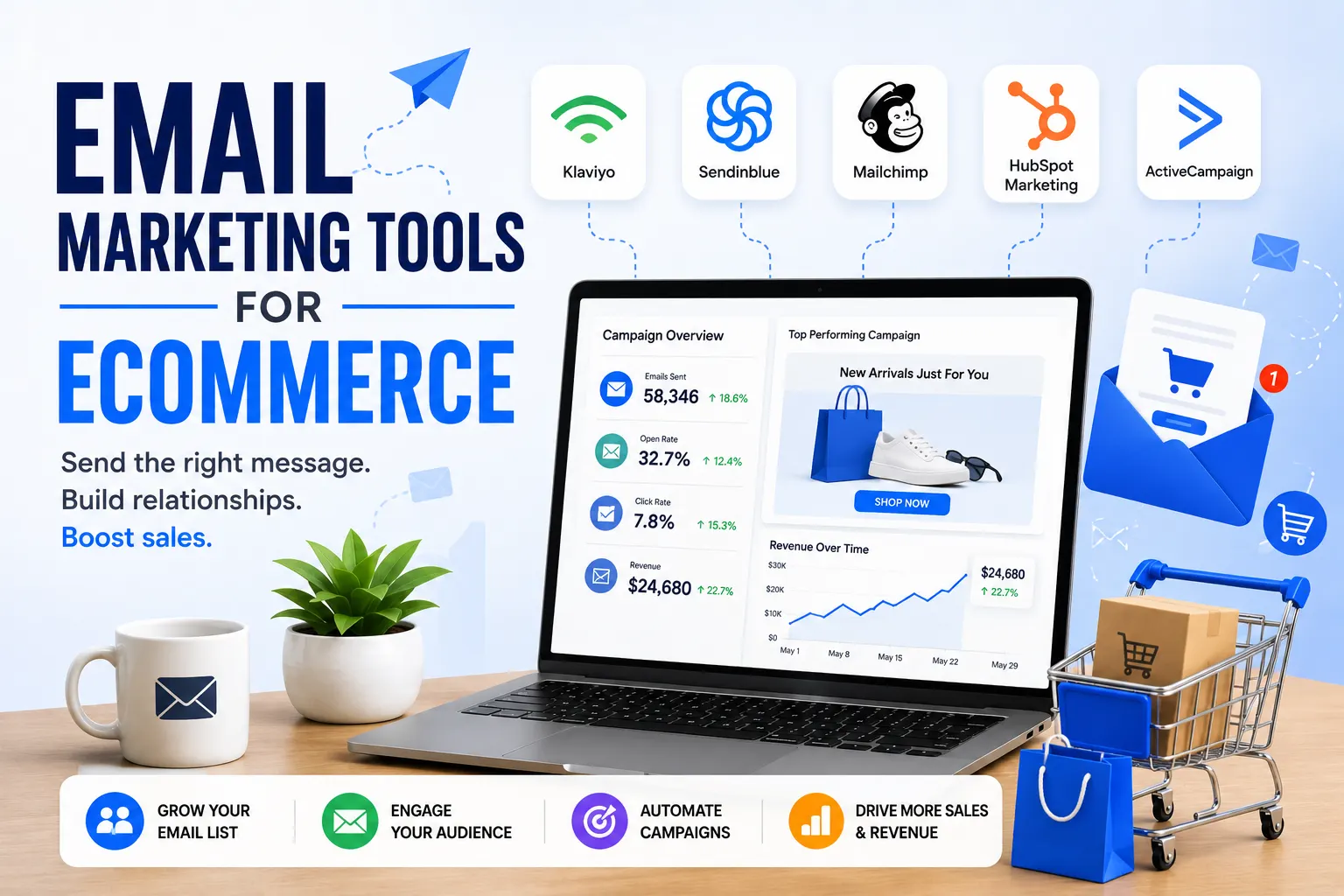
Email Funnel Optimization
Email is a powerful conversion tool.
Essential Email Flows
- Welcome series
- Abandoned cart emails
- Post-purchase emails
- Re-engagement campaigns
Why Email Works
- High ROI
- Direct communication
- Personalization
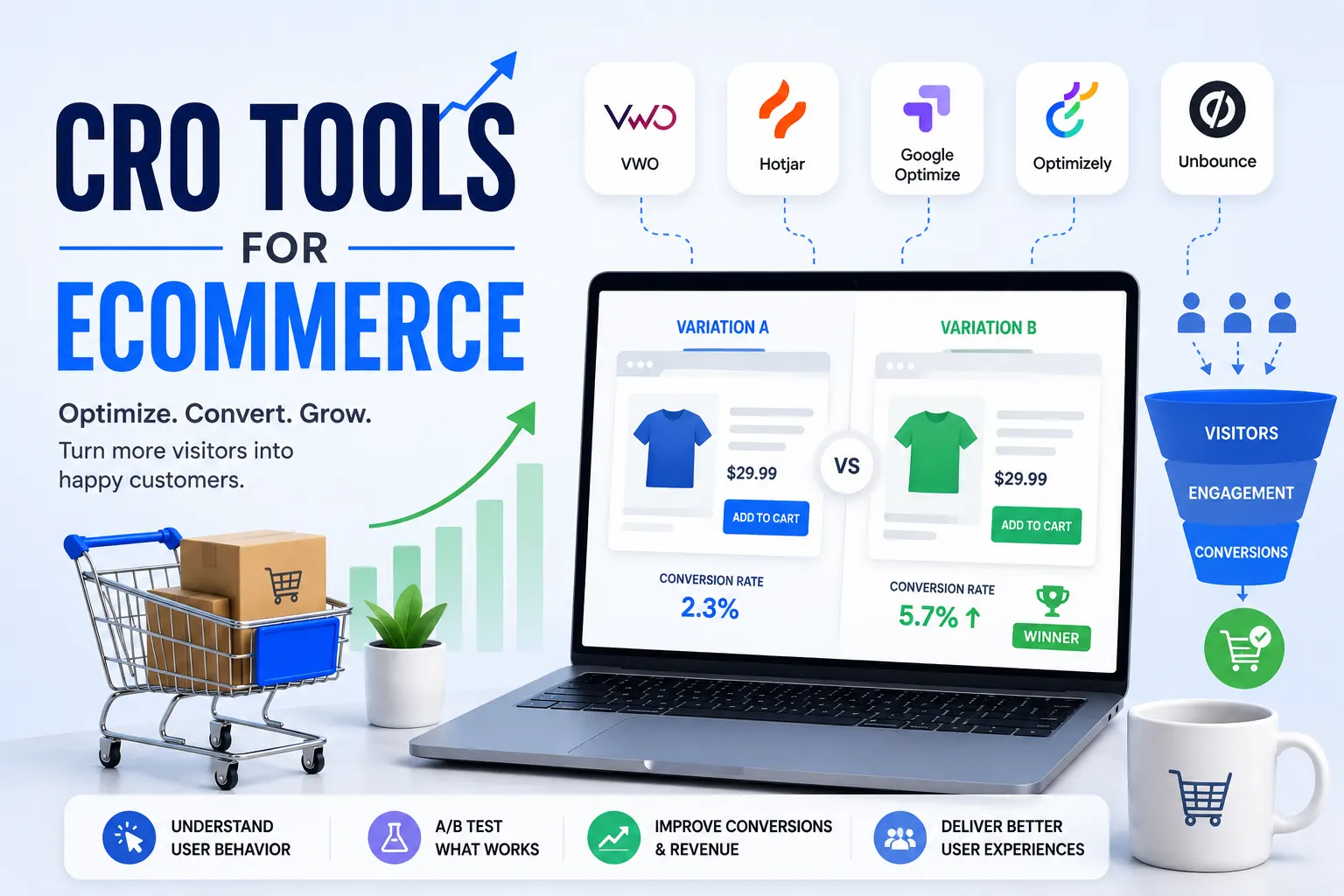
Conversion Rate Optimization (CRO) Across Funnel
CRO applies to every stage.
Key CRO Elements
- UX design
- Copywriting
- A/B testing
- Data analysis
Testing Examples
- CTA color
- Headlines
- Page layouts
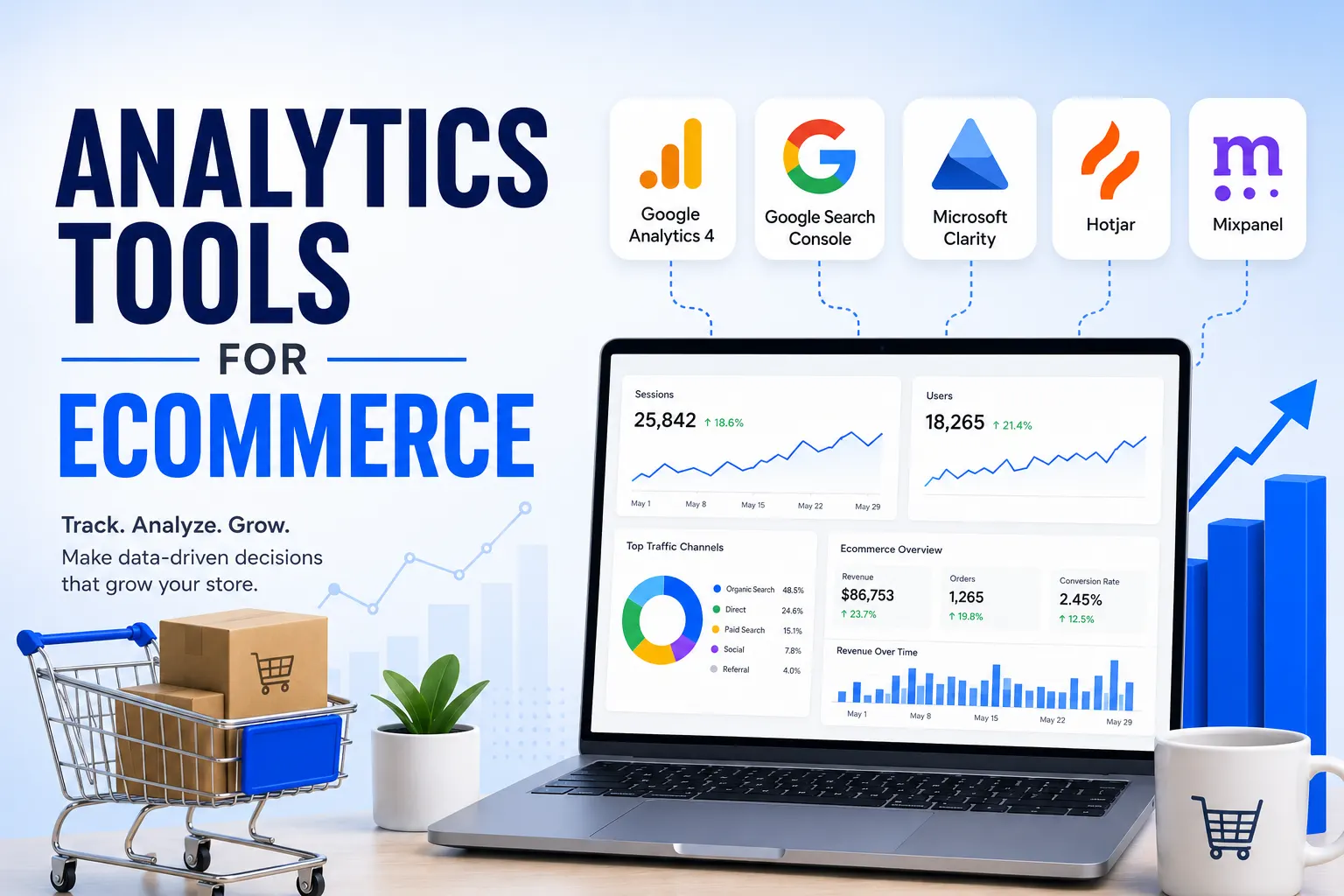
Funnel Analytics: Deep Data Tracking
You need data to optimize effectively.
Tools
- Google Analytics
- Hotjar
Metrics to Track
- Conversion rate per stage
- Funnel drop-offs
- User behavior
Mobile Funnel Optimization
Mobile users behave differently.
Challenges
- Small screens
- Slow networks
- Short attention span
Optimization Tips
- Fast loading pages
- Simple navigation
- Large buttons
Funnel Optimization for Indian Market
India has unique behavior patterns.
Key Factors
- Price sensitivity
- Trust issues
- Preference for COD
What Works
- COD option
- Strong offers
- WhatsApp support
Advanced Funnel Mistakes to Avoid
1. Ignoring Data
Decisions must be data-driven.
2. Overcomplicating UX
Simple experiences convert better.
3. Lack of Personalization
Generic experiences reduce engagement.
4. Weak Retention Strategy
Losing repeat customers is costly.
Ecommerce funnel optimization is not just about improving one page—it’s about optimizing every stage of the customer journey.
The biggest growth comes from:
- Understanding user behavior
- Reducing friction
- Using data effectively
Alright—this final section completes your full, BigCommerce-style Ecommerce Funnel Optimization Guide, taking it into expert territory with case-style insights, benchmarks, systems, and scalable execution frameworks.
Ecommerce Funnel Optimization Explained (Expert Frameworks, Case Insights & Scaling)
Real-World Funnel Optimization Case Studies (How Growth Actually Happens)
Theory is useful, but real growth comes from applied optimization. Let’s break down practical scenarios.
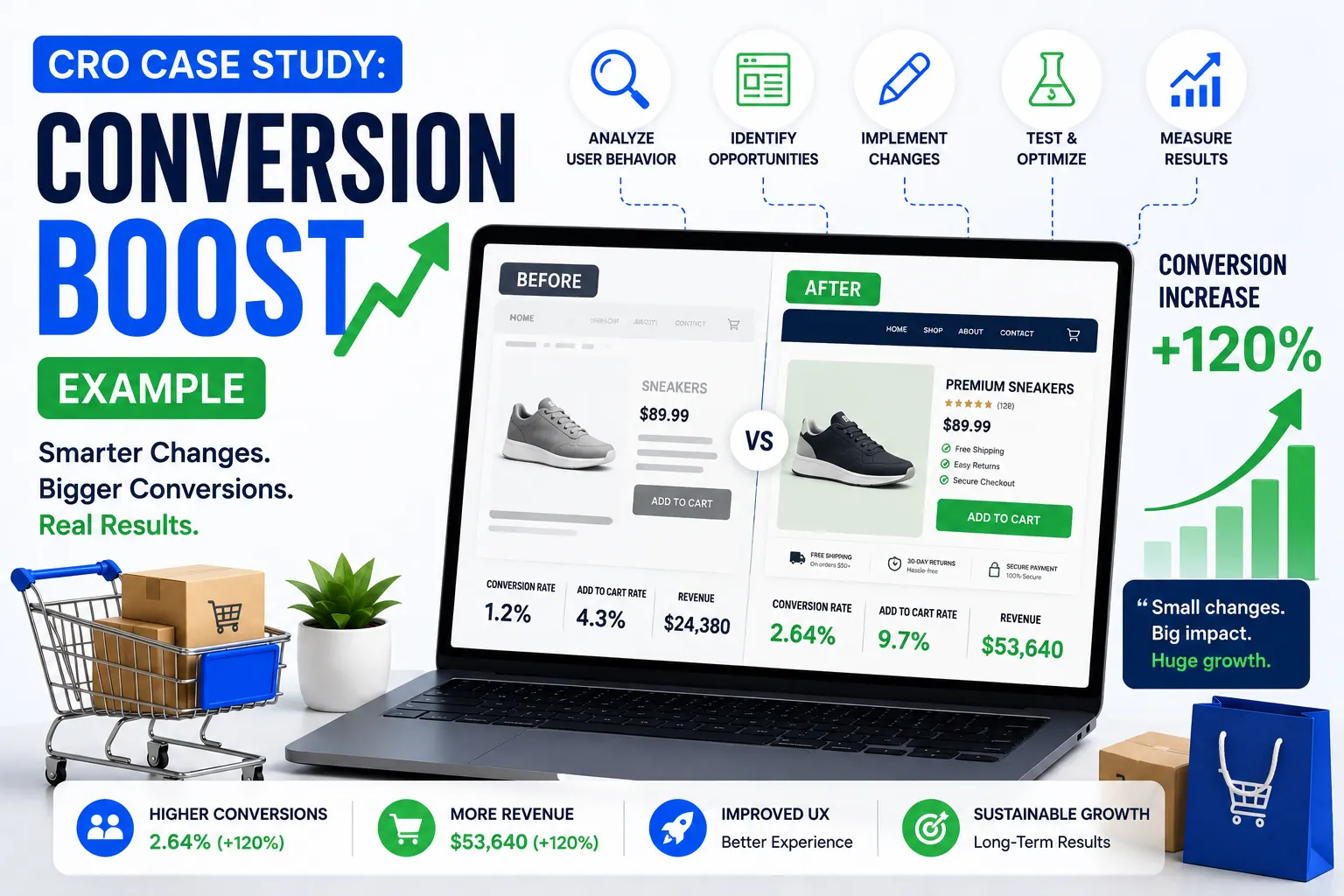
Case Study 1: Improving Landing Page → 40% Increase in Conversions
Scenario:
An ecommerce store was driving traffic using Google Ads, but conversions were low.
Problem Identified:
Using Google Analytics:
- High bounce rate
- Low engagement
Using Hotjar:
- Users didn’t scroll
- CTA ignored
Fixes Applied:
- Improved headline clarity
- Added trust badges
- Simplified layout
Result:
- 40% increase in conversions
- Lower cost per acquisition
Case Study 2: Product Page Optimization → +25% Add-to-Cart Rate
Problem:
Users viewed products but didn’t add to cart.
Cause:
- Weak product descriptions
- No social proof
Fixes:
- Added benefit-driven content
- Included reviews
- Improved images
Result:
- Significant increase in add-to-cart rate
Case Study 3: Checkout Optimization → +30% Revenue Growth
Problem:
High cart abandonment.
Fixes:
- Enabled guest checkout
- Reduced form fields
- Integrated Razorpay
Result:
- Increased checkout completion
- Revenue growth without extra traffic
Funnel Benchmarks (What Good Performance Looks Like)
Understanding benchmarks helps you evaluate your funnel.
Typical Funnel Metrics
- Landing page conversion: 2%–5%
- Add-to-cart rate: 5%–10%
- Checkout completion: 30%–50%
High-Performing Funnels
Top brands like Amazon outperform averages because they continuously optimize.
Full Funnel Optimization Framework (Step-by-Step System)
This is where most businesses fail—they apply random tactics instead of building a system.
Step 1: Funnel Mapping
Define:
- All stages
- Micro-conversions
Step 2: Data Collection
Use:
- Google Analytics
- Hotjar
Step 3: Identify Leaks
Find:
- High drop-off points
- Low engagement areas
Step 4: Hypothesis Creation
Example:
“Improving product images will increase conversions”
Step 5: A/B Testing
Test:
- Layouts
- Headlines
- CTAs
Step 6: Scaling
Implement winning changes across funnel.
SaaS Tools Stack for Funnel Optimization
Here’s a practical stack used by serious ecommerce brands:
Ecommerce Platforms
- Shopify
- BigCommerce
Analytics & Behavior
- Google Analytics
- Hotjar
Advertising
- Google Ads
- Meta Ads
Payments
- Razorpay
- PayPal
Conversion-Focused Funnel Copywriting
Copywriting is often underestimated—but it directly impacts conversions.
Key Principles
1. Clarity Over Creativity
Users should instantly understand your offer.
2. Benefit-Driven Messaging
Explain outcomes, not features.
3. Action-Oriented CTAs
Bad:
Submit
Better:
Get Your Product Now
4. Trust Reinforcement
Use:
- “Secure checkout”
- “Easy returns”
Advanced Psychological Triggers in Funnel Optimization
1. Loss Aversion
People fear losing more than gaining.
Example:
“Don’t miss this offer”
2. Social Proof
Show:
- Reviews
- Ratings
- Customer counts
3. Authority Bias
Highlight:
- Certifications
- Brand credibility
4. Urgency
Encourage action:
- Limited stock
- Time-bound deals
SEO + Funnel Optimization (Powerful Combination)
Most businesses separate SEO and CRO—but they should work together.
Why It Matters
SEO brings high-intent users
Funnel optimization converts them
Example
Keyword:
“Best protein-rich dry fruits”
Landing page:
- Product recommendations
- Clear CTA
- Internal links
Funnel Optimization for Different Business Models
1. D2C Brands
Focus:
- Branding
- Storytelling
- Trust
2. Marketplace Sellers
Focus:
- Pricing
- Reviews
- Visibility
3. Subscription Businesses
Focus:
- Retention
- Easy onboarding
Scaling Funnel Optimization (From Growth to Domination)
Once your funnel works, scale it.
Scaling Strategy
- Increase traffic
- Maintain conversion rate
- Optimize continuously
Advanced Scaling Techniques
- Funnel automation
- AI personalization
- Dynamic pricing
High-Impact Quick Wins (Immediate Growth)
If you want fast results:
- Improve landing page clarity
- Add product reviews
- Simplify checkout
- Improve mobile UX
- Use retargeting ads
Common Funnel Optimization Mistakes
1. Focusing Only on Traffic
Traffic without conversion is wasted.
2. Ignoring Mobile Users
Major loss in India.
3. No Data Tracking
Decisions must be data-driven.
4. Overcomplicating UX
Simple = better conversions.
Final Conclusion: The Ecommerce Growth Formula
Ecommerce success is not about one tactic—it’s about optimizing the entire funnel.
The Winning Formula
Traffic + Experience + Trust + Optimization = Revenue Growth
What You Should Do Next
- Map your funnel
- Identify leaks
- Optimize high-impact stages
- Test continuously