Blog
Ecommerce Link Building Strategy

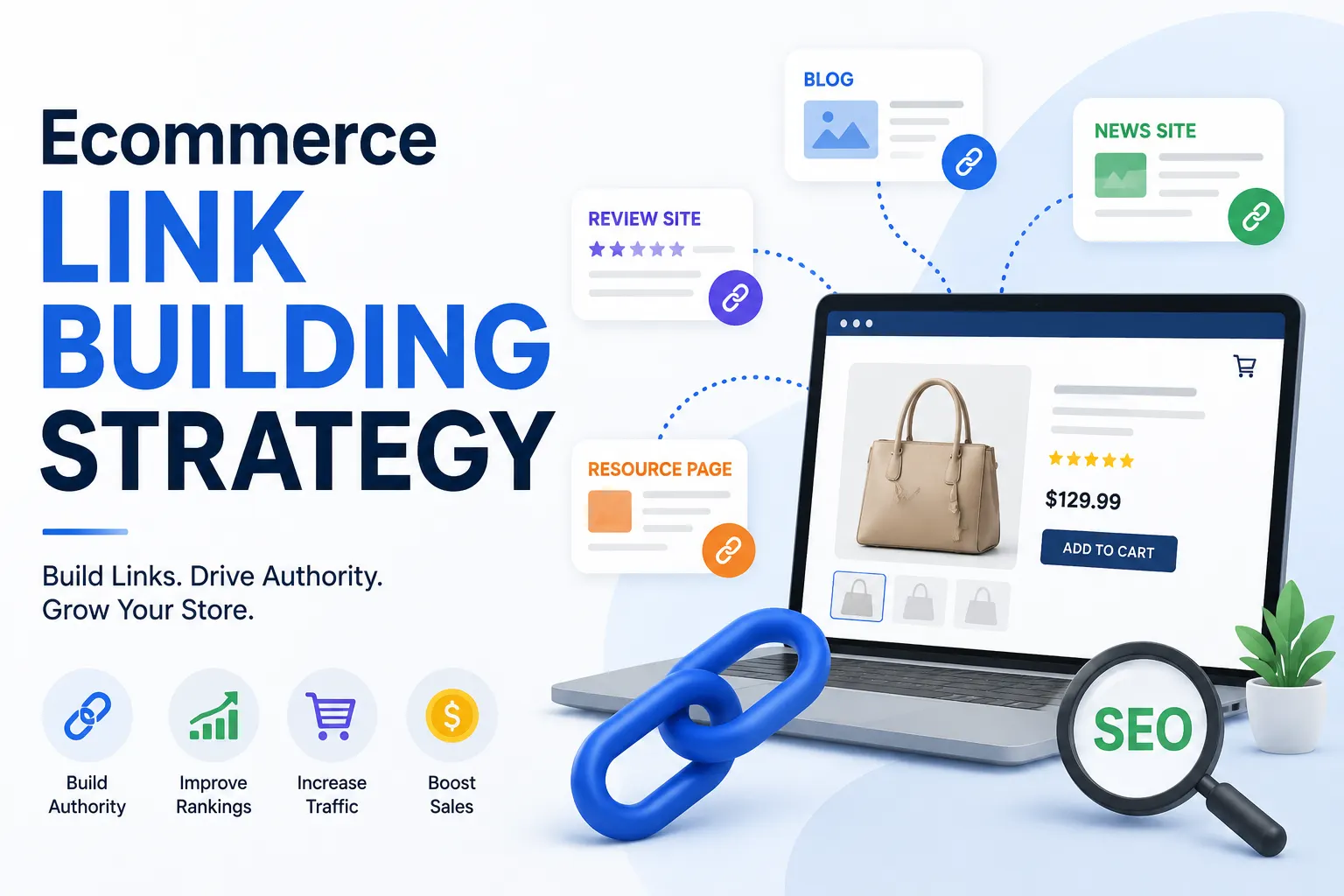
The Complete Guide to Building Authority, Rankings, Traffic, and Long-Term Ecommerce Growth
Introduction
Ecommerce link building has evolved dramatically over the last few years. In the early days of SEO, many ecommerce businesses could achieve rankings simply by building large quantities of backlinks regardless of quality or relevance. Today, search engines have become significantly more sophisticated. Google now evaluates websites using advanced AI systems, semantic understanding, brand authority signals, user behavior analysis, topical relevance, and trust indicators. As a result, modern ecommerce link building requires a far more strategic, content-driven, and authority-focused approach.
For ecommerce businesses, link building is often more difficult compared to content publishers or media companies because ecommerce websites are primarily commercial in nature. Product pages usually do not attract natural backlinks on their own unless the business creates supporting content, industry resources, research studies, tools, guides, or highly engaging campaigns that other websites genuinely want to reference. This is why many ecommerce brands struggle with organic rankings even when they have excellent products and strong technical SEO.
At the same time, backlinks remain one of the most powerful ranking signals in ecommerce SEO. High-quality backlinks help search engines understand that an ecommerce website is trustworthy, authoritative, relevant, and valuable to users. Strong backlinks improve rankings for product pages, category pages, buying guides, and informational content, leading to increased visibility, organic traffic, and long-term revenue growth.
Official Resources:
- https://developers.google.com/search/docs/essentials/spam-policies
- https://developers.google.com/search/docs/fundamentals/seo-starter-guide
- https://www.bigcommerce.com/articles/ecommerce/ecommerce-seo/
In 2026, successful ecommerce link building focuses on creating valuable digital experiences that naturally attract links through usefulness, expertise, originality, and trustworthiness. Businesses that continue using manipulative SEO tactics such as spam links, low-quality guest posting, private blog networks, and automated link schemes face growing risks of penalties and ranking losses.
This comprehensive guide explains every major aspect of ecommerce link building, including backlink fundamentals, white-hat SEO strategies, digital PR campaigns, content marketing, influencer outreach, guest posting, local SEO links, technical optimization, internal linking structures, AI-driven search evolution, and long-term authority-building systems for ecommerce websites.
Understanding Backlinks and Their Role in Ecommerce SEO
What Are Backlinks?
Backlinks are hyperlinks from one website to another. When a website links to an ecommerce store, search engines interpret that link as a signal of trust, relevance, and authority. In simple terms, backlinks act like recommendations within the digital ecosystem. If respected websites consistently link to an ecommerce business, search engines assume the website offers useful or trustworthy information worth showing in search results.
However, modern search engines no longer evaluate backlinks only by quantity. Google’s algorithms now analyze backlink quality, contextual relevance, editorial placement, topical relationships, spam signals, user engagement, and overall domain trustworthiness. This means a small number of highly relevant, authoritative backlinks often provides significantly more SEO value than hundreds of low-quality or irrelevant links.
For ecommerce businesses, backlinks help improve visibility across multiple search opportunities, including:
- Product page rankings
- Category page rankings
- Informational blog content
- Brand searches
- Comparison keywords
- Transactional keywords
- Shopping-related queries
Backlinks also contribute to stronger domain authority, which helps new pages rank faster over time.
Why Link Building Is Important for Ecommerce Websites
Ecommerce SEO Is Extremely Competitive
The ecommerce industry has become highly competitive across almost every niche. Whether businesses sell electronics, clothing, furniture, cosmetics, fitness products, home decor, supplements, or digital products, thousands of ecommerce stores compete for the same search traffic. Many businesses invest heavily in SEO, content marketing, paid advertising, influencer campaigns, and technical optimization.
In competitive industries, backlinks often become one of the deciding factors that separate top-ranking ecommerce websites from lower-performing competitors. When two websites have similar technical SEO and content quality, the website with stronger authority and better backlink profiles frequently outranks competitors.
For example, large ecommerce brands often dominate search results because they naturally attract links from publishers, news websites, bloggers, influencers, and industry references. Smaller ecommerce businesses must therefore develop strategic link-building systems to compete effectively.
How Google Evaluates Ecommerce Backlinks
Relevance Matters More Than Volume
Google increasingly prioritizes relevance when evaluating backlinks. A backlink from a highly relevant industry website provides significantly more SEO value than an unrelated backlink from an unrelated niche.
For example:
- A backlink from a fitness blog to a sports nutrition ecommerce store is highly relevant.
- A backlink from a fashion website to a furniture store may carry less topical relevance.
Search engines evaluate contextual relationships between websites to determine whether backlinks appear natural and genuinely useful.
Editorial Placement Signals Quality
Google also analyzes where backlinks appear within pages. Editorially placed links inside high-quality content generally provide stronger SEO value compared to links placed in:
- Footers
- Sidebars
- Spam directories
- Low-quality author bios
- Sitewide widgets
Natural editorial backlinks are often considered the strongest type of link because they indicate genuine recommendations rather than manipulative SEO practices.
Authority and Trust Signals
Links from authoritative websites carry stronger ranking influence because search engines trust those domains more. Ecommerce businesses benefit significantly from backlinks originating from:
- Industry publications
- News websites
- Universities
- Government resources
- Trusted blogs
- Established communities
These links strengthen overall domain authority and trustworthiness.
White-Hat Ecommerce Link Building Strategies
Why White-Hat SEO Matters
White-hat SEO focuses on ethical, user-focused link-building practices that align with search engine guidelines. Unlike manipulative SEO tactics, white-hat strategies prioritize creating real value for users and earning backlinks naturally through quality content and relationships.
Google’s spam policies clearly discourage manipulative link schemes designed solely to manipulate rankings.
Official Resource:
Ecommerce businesses that focus on sustainable white-hat link building gain several long-term advantages:
- Stable rankings
- Stronger brand authority
- Better user trust
- Reduced penalty risks
- Higher-quality referral traffic
- Long-term SEO sustainability
White-hat link building typically requires more effort, creativity, and patience, but the long-term results are far more reliable and scalable.
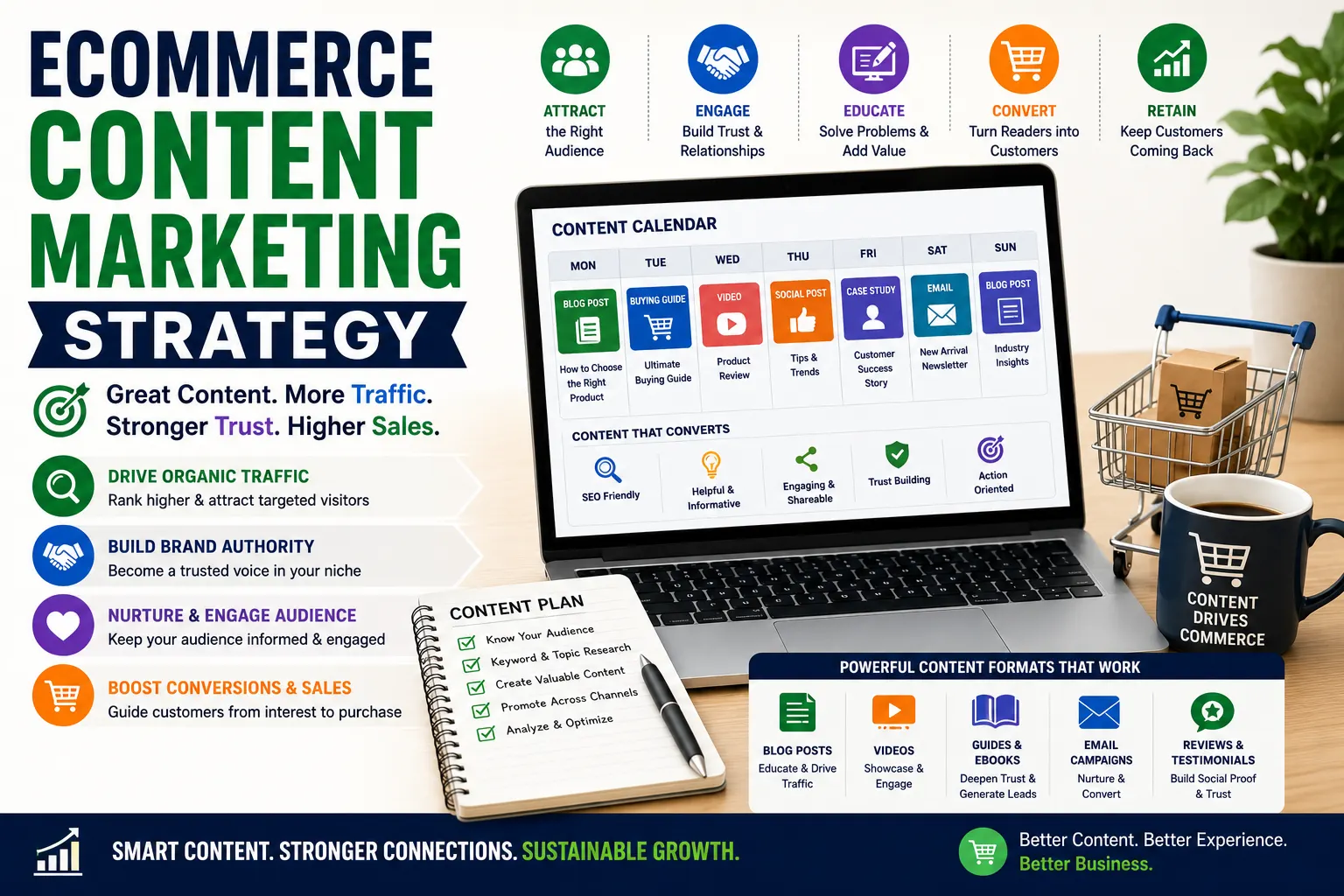
Content Marketing as the Foundation of Ecommerce Link Building
Why Content Attracts Backlinks Naturally
One of the biggest challenges ecommerce businesses face is that product pages rarely attract backlinks naturally unless the products themselves become extremely popular or viral. Most publishers and bloggers prefer linking to educational, informational, or entertaining content rather than commercial product listings.
This is why content marketing has become one of the most effective ecommerce link-building strategies. High-quality content creates opportunities for natural backlinks because people are more willing to reference valuable resources that help their audiences.
Content marketing supports ecommerce link building by creating:
- Buying guides
- Educational tutorials
- Industry research
- Comparison articles
- Trend reports
- Infographics
- Interactive tools
- Expert insights
- Data-driven studies
When these assets provide genuine value, publishers and bloggers naturally reference them.
Creating Linkable Ecommerce Content Assets
Buying Guides
Comprehensive buying guides are among the most effective ecommerce linkable assets because they help users make informed purchasing decisions. Well-written buying guides often rank well for informational keywords while simultaneously attracting backlinks from blogs, forums, publishers, and social media users.
Examples include:
- Best laptops for graphic designers
- Complete skincare routine guide
- How to choose ergonomic office chairs
- Beginner’s guide to home gym equipment
High-quality buying guides should include detailed explanations, comparisons, expert recommendations, visual examples, FAQs, and actionable advice rather than shallow summaries.
Industry Research and Data Studies
Original data-driven content is highly valuable because journalists, bloggers, and publishers frequently cite statistics and research findings. Ecommerce businesses can conduct surveys, analyze customer trends, or publish market insights related to their industries.
For example:
- Ecommerce fashion trends report
- Consumer skincare behavior analysis
- Online shopping habits research
- Regional product demand studies
Research content often earns strong editorial backlinks because it provides unique information unavailable elsewhere.
Digital PR for Ecommerce Brands
What Is Digital PR?
Digital PR involves creating newsworthy campaigns and stories designed to earn media coverage and editorial backlinks from online publications. Unlike traditional SEO outreach, digital PR focuses more heavily on storytelling, brand positioning, industry relevance, and audience engagement.
Digital PR has become one of the most powerful ecommerce link-building methods because it combines:
- Brand awareness
- Media exposure
- SEO authority
- Referral traffic
- Social engagement
A successful digital PR campaign can generate dozens or even hundreds of authoritative backlinks from publishers, news sites, blogs, and online magazines.
Ecommerce Digital PR Campaign Ideas
Ecommerce businesses can create digital PR campaigns around:
- Product launches
- Industry research
- Seasonal shopping trends
- Consumer behavior insights
- Sustainability initiatives
- Charity campaigns
- Influencer collaborations
- Ecommerce growth stories
The most successful campaigns usually combine strong storytelling with useful or emotionally engaging information.
Guest Posting for Ecommerce SEO
Why Guest Posting Still Works
Guest posting remains effective when done properly and ethically. The goal of guest posting should not simply be acquiring backlinks. Instead, businesses should focus on providing valuable content to relevant audiences while building authority within their industries.
High-quality guest posts help ecommerce brands:
- Reach new audiences
- Build topical authority
- Earn contextual backlinks
- Increase referral traffic
- Strengthen brand recognition
Best Practices for Guest Posting
Successful guest posting requires careful website selection. Ecommerce businesses should prioritize:
- Relevant industry websites
- High-quality publications
- Engaged audiences
- Strong editorial standards
- Real traffic and authority
Low-quality guest posting purely for link acquisition can appear manipulative and may provide little long-term SEO value.
Guest articles should contain genuinely valuable information rather than promotional content disguised as educational material.
Influencer Outreach and Ecommerce Link Building
Why Influencers Matter for Ecommerce SEO
Influencers have become increasingly important in ecommerce marketing because they combine audience trust, visual storytelling, social engagement, and brand discovery. Influencer collaborations can generate:
- Backlinks
- Product reviews
- Social mentions
- Referral traffic
- Brand awareness
- User-generated content
For ecommerce businesses, influencer marketing often supports both SEO and conversion optimization simultaneously.
Product Review Campaigns
Sending products to bloggers, YouTubers, Instagram creators, and niche reviewers can generate highly relevant backlinks and brand mentions. Authentic reviews often rank well in search engines and influence purchasing decisions significantly.
Businesses should focus on building long-term influencer relationships rather than one-time transactional campaigns. Long-term partnerships create more authentic content and recurring visibility opportunities.
Local Link Building for Ecommerce Businesses
Importance of Local Authority
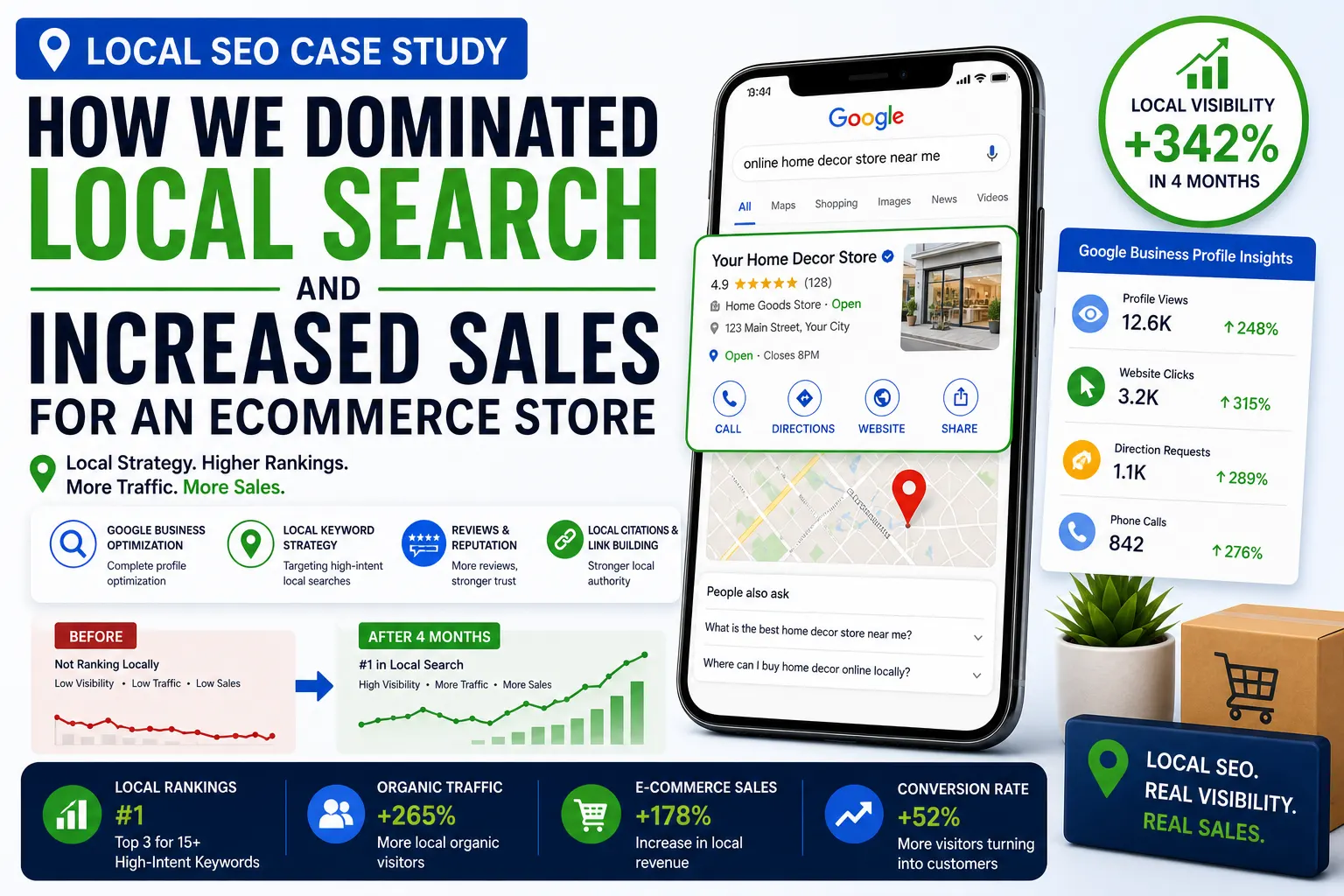
Local SEO is increasingly important for ecommerce businesses serving regional markets, offering local delivery, or targeting specific cities and regions. Local backlinks help search engines understand geographic relevance while improving visibility in local search results.
Sources of Local Backlinks
Effective local link sources include:
- Business directories
- Local news websites
- Chamber of commerce websites
- Industry associations
- Community sponsorships
- Local bloggers
- Event partnerships
Indian ecommerce businesses, for example, may benefit from platforms such as:
Local citations strengthen both local SEO and brand trust.
Internal Linking for Ecommerce SEO
Why Internal Linking Matters
While external backlinks remain critical, internal linking also plays an essential role in ecommerce SEO. Internal links help search engines discover pages, distribute authority, improve crawlability, and strengthen topical relationships between pages.
A strong internal linking strategy helps ecommerce businesses improve rankings across:
- Product pages
- Category pages
- Blog articles
- Buying guides
- Landing pages
Best Internal Linking Practices
Effective ecommerce internal linking strategies include:
- Linking related products
- Connecting blog content to product pages
- Using breadcrumb navigation
- Highlighting important categories
- Building topical content clusters
Internal linking also improves user experience by helping visitors discover related products and useful content naturally.
Ecommerce Outreach Strategies
Personalized Outreach Performs Better
Mass email outreach campaigns rarely succeed in modern link building because website owners receive large volumes of generic SEO emails daily. Personalized outreach significantly improves response rates because it demonstrates genuine interest and relevance.
Effective outreach should:
- Mention specific content
- Explain mutual relevance
- Provide genuine value
- Remain concise and respectful
- Avoid overly promotional language
Relationship-driven outreach consistently outperforms spam-style link requests.
AI and Ecommerce Link Building in 2026
How AI Is Changing Search
Search engines increasingly rely on AI systems to evaluate content quality, brand authority, user trust, and contextual relevance. This evolution means link building is becoming more closely connected with broader brand-building efforts rather than isolated SEO tactics.
Google increasingly evaluates:
- Brand mentions
- Entity relationships
- Topical authority
- User engagement
- Trust signals
- Content quality
As a result, ecommerce businesses must think beyond traditional backlinks and focus on broader digital authority.
AI-Assisted Outreach and Research
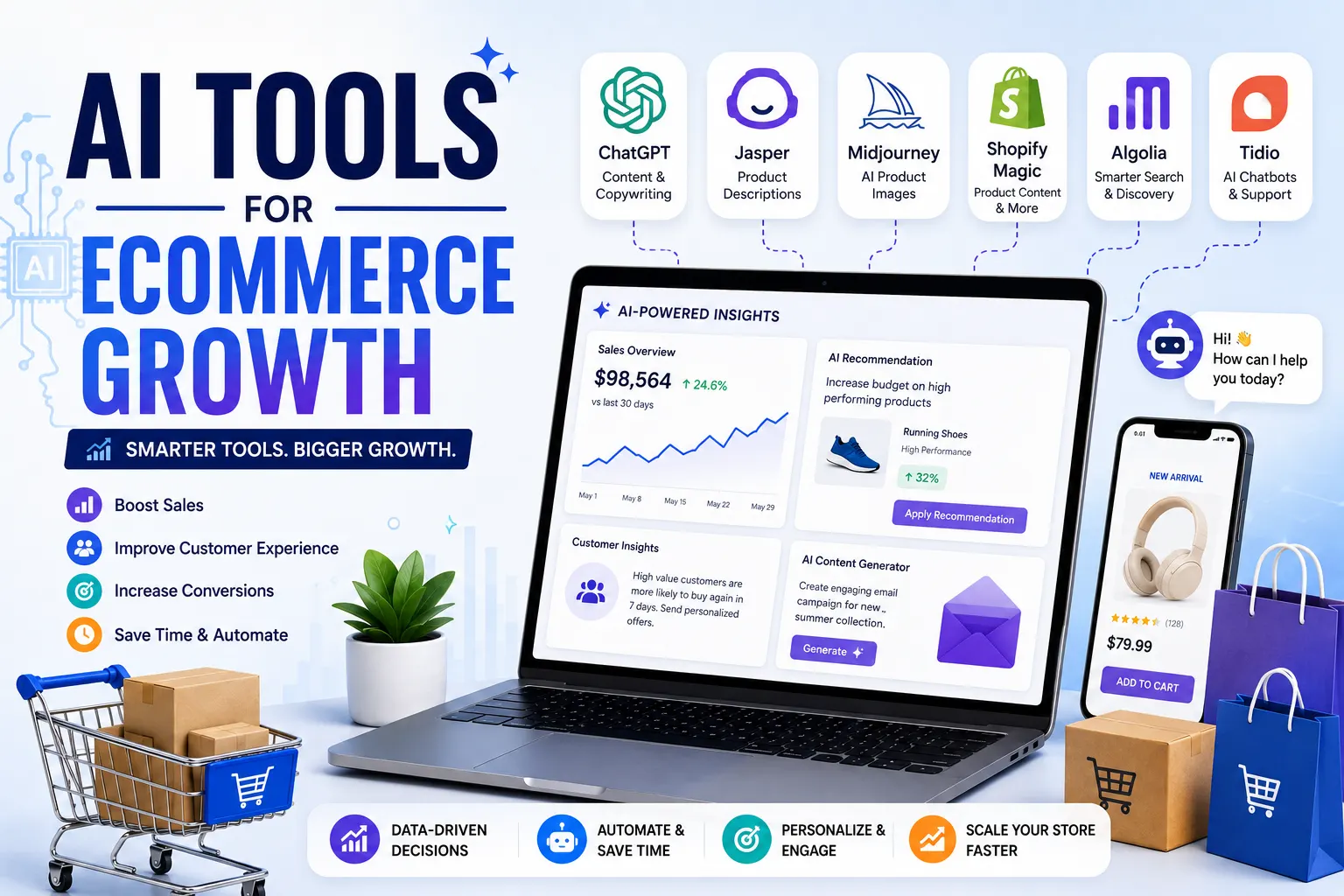
AI tools now help businesses with:
- Prospect discovery
- Outreach personalization
- Topic research
- Content optimization
- Trend analysis
However, genuine human relationships and authentic value creation remain essential. AI can improve efficiency, but successful link building still depends heavily on trust, expertise, and relevance.
Common Ecommerce Link Building Mistakes
Buying Spammy Links
Many ecommerce businesses damage their SEO by purchasing low-quality backlinks from spam networks or automated SEO services. These links often provide little value and may trigger algorithmic distrust.
Over-Optimized Anchor Text
Using identical keyword-rich anchor text repeatedly appears unnatural and manipulative. Modern link profiles should contain diverse, natural anchor variations.
Weak Content Assets
Businesses often struggle with link building because their content lacks originality, usefulness, or depth. Thin content rarely attracts links naturally.
Ignoring Relevance
Relevance is critical. A smaller highly relevant backlink often provides more value than a large irrelevant backlink.
Future Trends in Ecommerce Link Building
Brand Authority Will Become More Important
Search engines increasingly reward recognizable, trustworthy brands. Future SEO success will depend heavily on broader authority-building strategies rather than isolated backlink metrics.
Visual and Interactive Content Will Grow
Interactive tools, visual experiences, video content, calculators, and immersive ecommerce experiences will continue attracting stronger engagement and backlinks.
Community Building Will Influence SEO
Brands with loyal communities often attract organic mentions naturally through social sharing, discussions, and recommendations.
AI-Driven Search Will Prioritize Trust
As AI-generated search summaries become more common, trusted brands with strong authority signals will gain visibility advantages.
Conclusion
Ecommerce link building remains one of the most powerful long-term SEO strategies for improving rankings, authority, organic traffic, and brand visibility. However, modern link building is no longer about chasing large numbers of backlinks through manipulative tactics or spam outreach.
In 2026, successful ecommerce link building focuses on:
- Valuable content creation
- Digital PR
- Authority building
- Influencer collaborations
- Educational resources
- Relationship-driven outreach
- Brand trust
- User-focused experiences
The most successful ecommerce brands understand that link building is closely connected with broader marketing, branding, and customer experience strategies. Businesses that consistently publish helpful content, engage communities, create shareable resources, and build genuine industry relationships naturally attract stronger backlinks over time.
Rather than treating link building as a short-term SEO tactic, ecommerce businesses should view it as a long-term investment in digital authority and sustainable organic growth.
As search engines continue evolving with AI systems, semantic understanding, and trust-based evaluation models, businesses that prioritize quality, authenticity, expertise, and relevance will remain highly competitive in ecommerce SEO.