Blog
🚀 How to Build a Scalable Ecommerce Platform from Scratch (Ultimate 2026 Guide)

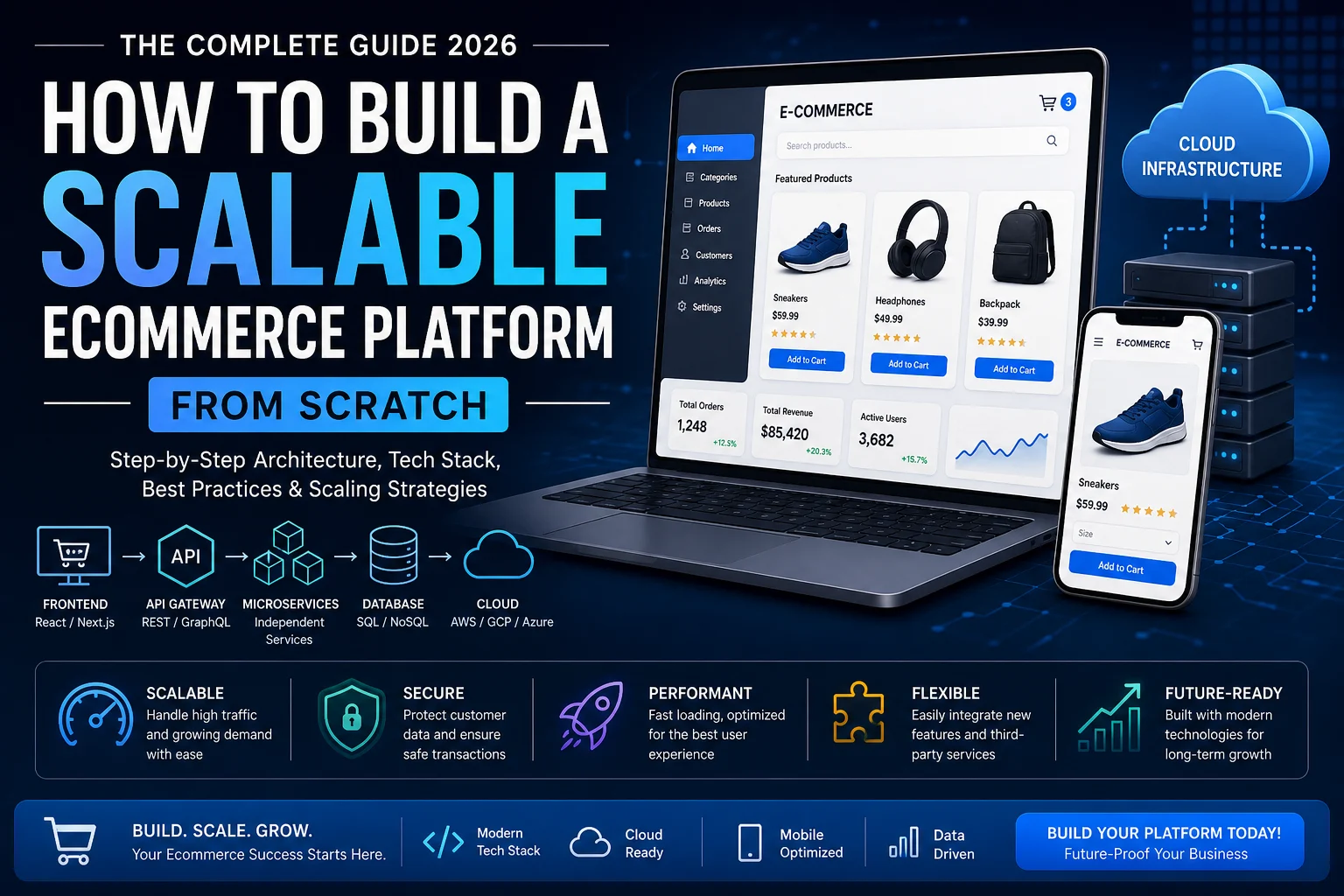
📘 Introduction: The New Reality of Ecommerce Platforms
The ecommerce landscape has changed dramatically over the past decade. Businesses are no longer competing solely on product quality or pricing; instead, success depends on how effectively they deliver seamless, fast, and personalized digital experiences.
Customers today expect:
- Instant page loading speeds
- Smooth navigation across devices
- Personalized product recommendations
- Secure and frictionless checkout processes
At the same time, ecommerce businesses must manage complex backend operations such as inventory tracking, order processing, payment handling, logistics, and integrations with multiple third-party systems.
This growing complexity means that building a simple ecommerce website is no longer sufficient. Businesses need scalable ecommerce platforms—systems designed to grow with increasing traffic, expanding product catalogs, and evolving customer expectations.
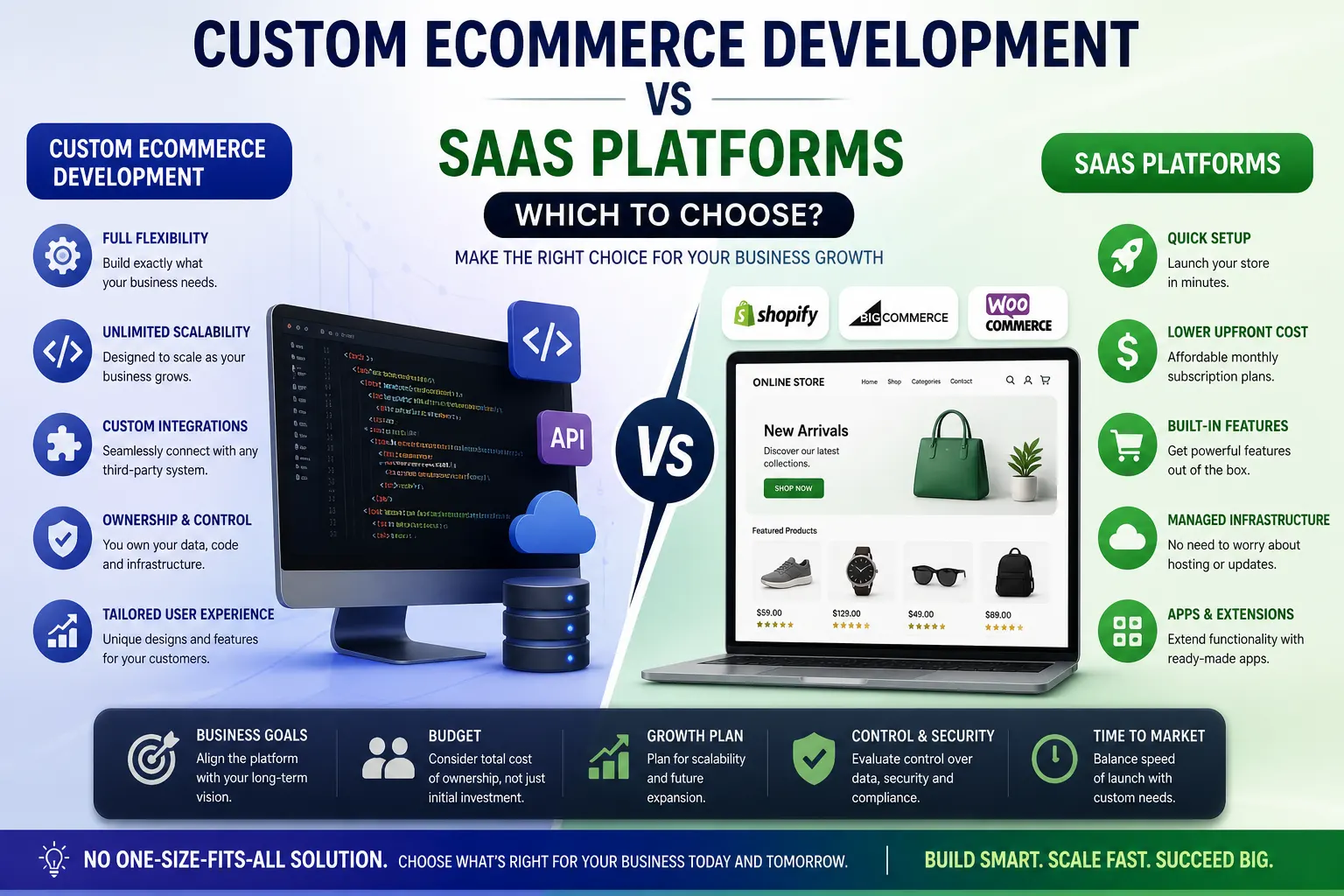
Building such a platform from scratch is a strategic decision. It gives businesses complete control over functionality, performance, and user experience, but it also requires careful planning, the right technology choices, and a deep understanding of modern architecture.
This guide will walk you through every aspect of building a scalable ecommerce platform, from foundational concepts to advanced implementation strategies.
🧠 Understanding Scalability in Ecommerce (Deep Explanation)
Scalability is one of the most critical aspects of ecommerce development, yet it is often misunderstood. At its core, scalability refers to the ability of a system to handle growth without compromising performance or user experience.
In ecommerce, growth can come in many forms:
- Increased website traffic
- Higher transaction volumes
- Expansion of product catalogs
- Entry into new markets
- Integration of new features and services
A scalable ecommerce platform is designed to handle all these forms of growth seamlessly.
Types of Scalability
Vertical Scalability (Scaling Up)
Vertical scaling involves increasing the capacity of a single server by adding more resources such as CPU, RAM, or storage.
While this approach can improve performance in the short term, it has limitations. A single machine can only be upgraded to a certain extent, and relying solely on vertical scaling can lead to bottlenecks.
Horizontal Scalability (Scaling Out)
Horizontal scaling involves adding multiple servers to distribute the load. This approach is more flexible and is widely used in modern ecommerce platforms.
For example, during peak shopping periods such as sales or festive seasons, additional servers can be deployed to handle increased traffic.
Why Scalability Matters
A lack of scalability can lead to serious issues, including:
- Website crashes during high traffic
- Slow page loading times
- Poor user experience
- Loss of revenue and customer trust
A scalable platform ensures that your business can grow without technical limitations.
🏗️ Step 1: Defining Business Goals and Requirements
Before building an ecommerce platform, it is essential to clearly define your business goals and requirements.
This step is often overlooked, but it plays a crucial role in determining the success of the platform.
Understanding Your Business Model
Different business models require different platform capabilities:
- B2C (Business to Consumer)
- B2B (Business to Business)
- Marketplace (multi-vendor platforms)
Each model has unique requirements in terms of pricing, user roles, and workflows.
Identifying Target Audience
Understanding your target audience helps in designing the user experience.
Consider factors such as:
- Demographics
- Shopping behavior
- Device preferences
Planning for Future Growth
Even if you are starting with a small product catalog, your platform should be designed to handle future expansion.
This includes:
- Supporting multiple languages and currencies
- Expanding to new markets
- Adding new features
⚙️ Step 2: Choosing the Right Architecture (Deep Dive)
The architecture of your ecommerce platform determines its scalability, flexibility, and performance.
Monolithic Architecture
In a monolithic system, all components are tightly integrated into a single codebase.
While this approach is simpler to build initially, it becomes difficult to scale and maintain as the system grows.
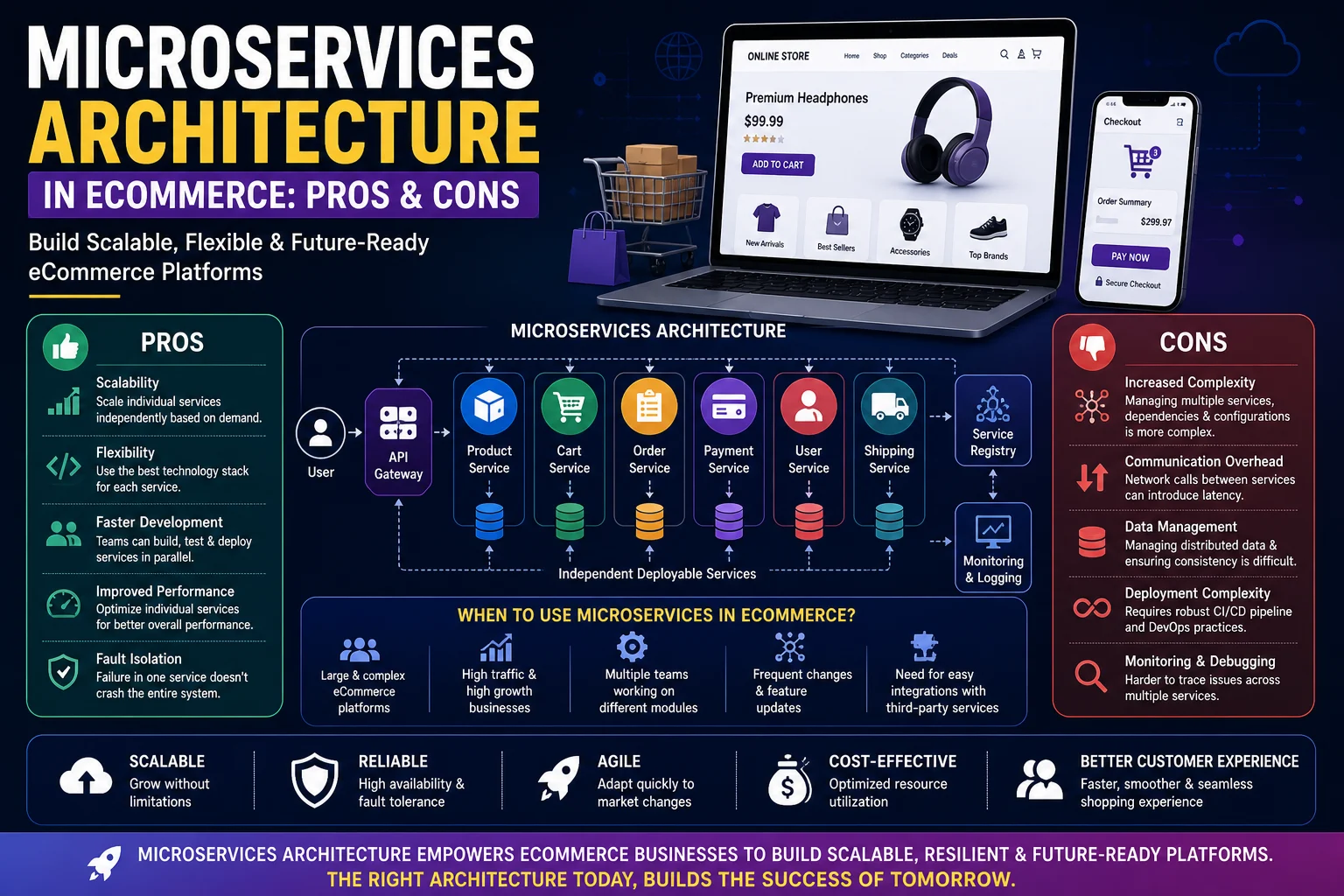
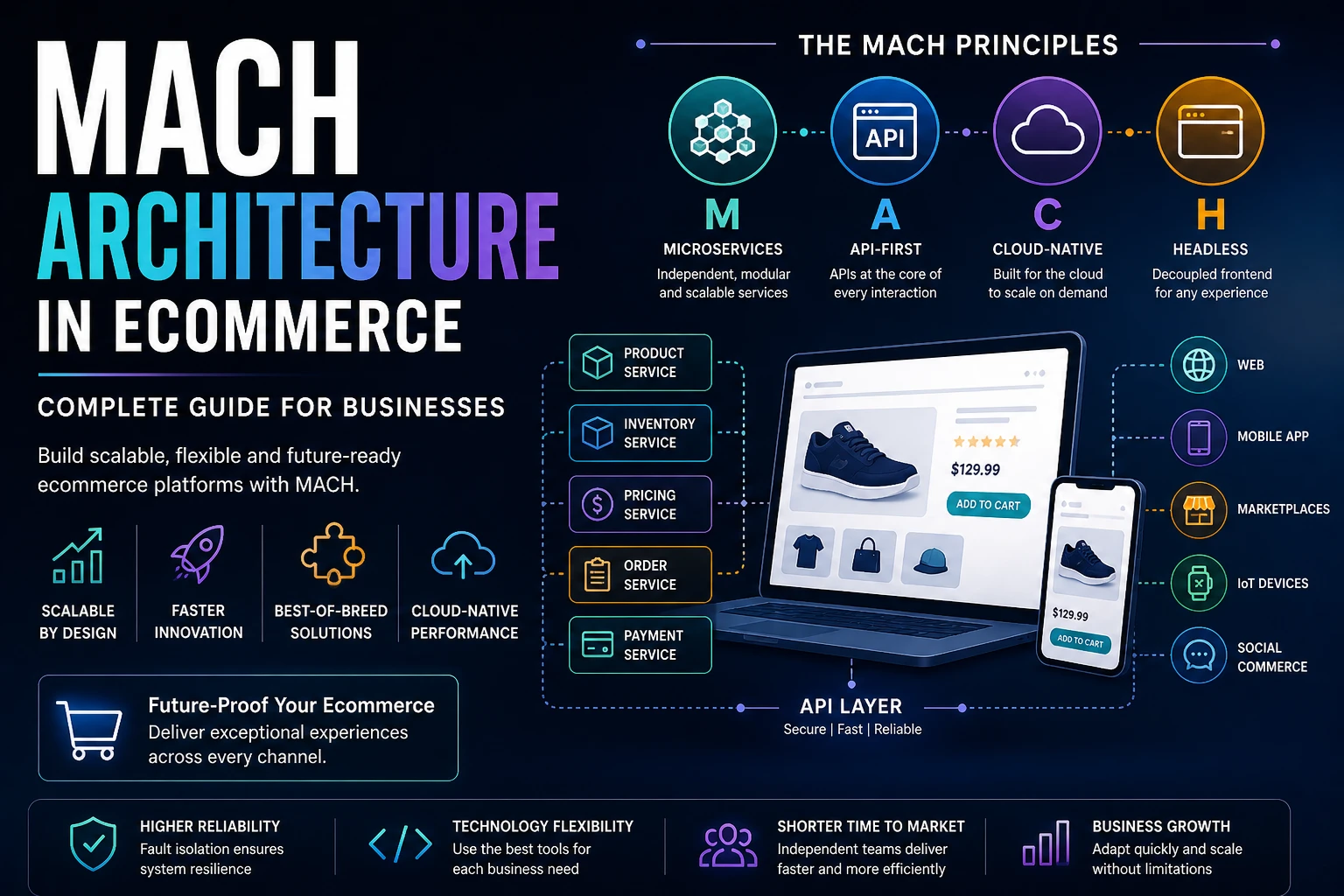
Microservices Architecture
Microservices break the system into smaller, independent services.
Each service handles a specific function, such as:
- Product management
- Inventory tracking
- Payment processing
Advantages of Microservices
- Independent scaling
- Faster development
- Improved fault isolation
Headless Architecture
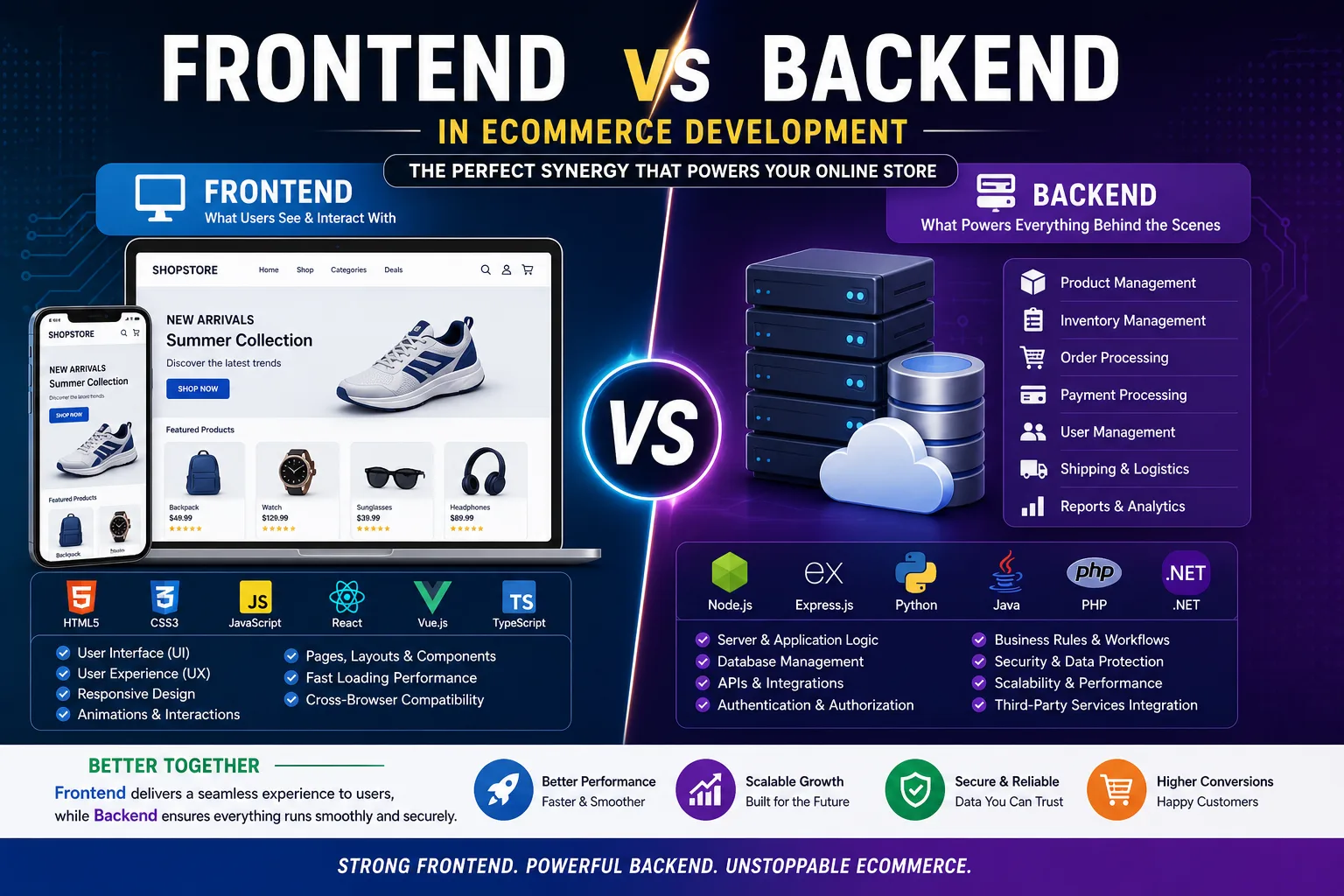
Headless architecture separates the frontend from the backend.
This allows businesses to:
- Build custom user interfaces
- Deliver experiences across multiple channels
Recommended Approach
For a scalable platform, a combination of:
- Microservices
- API-first design
- Headless architecture
is highly effective.
🔗 Step 3: Designing the Tech Stack (In Depth)
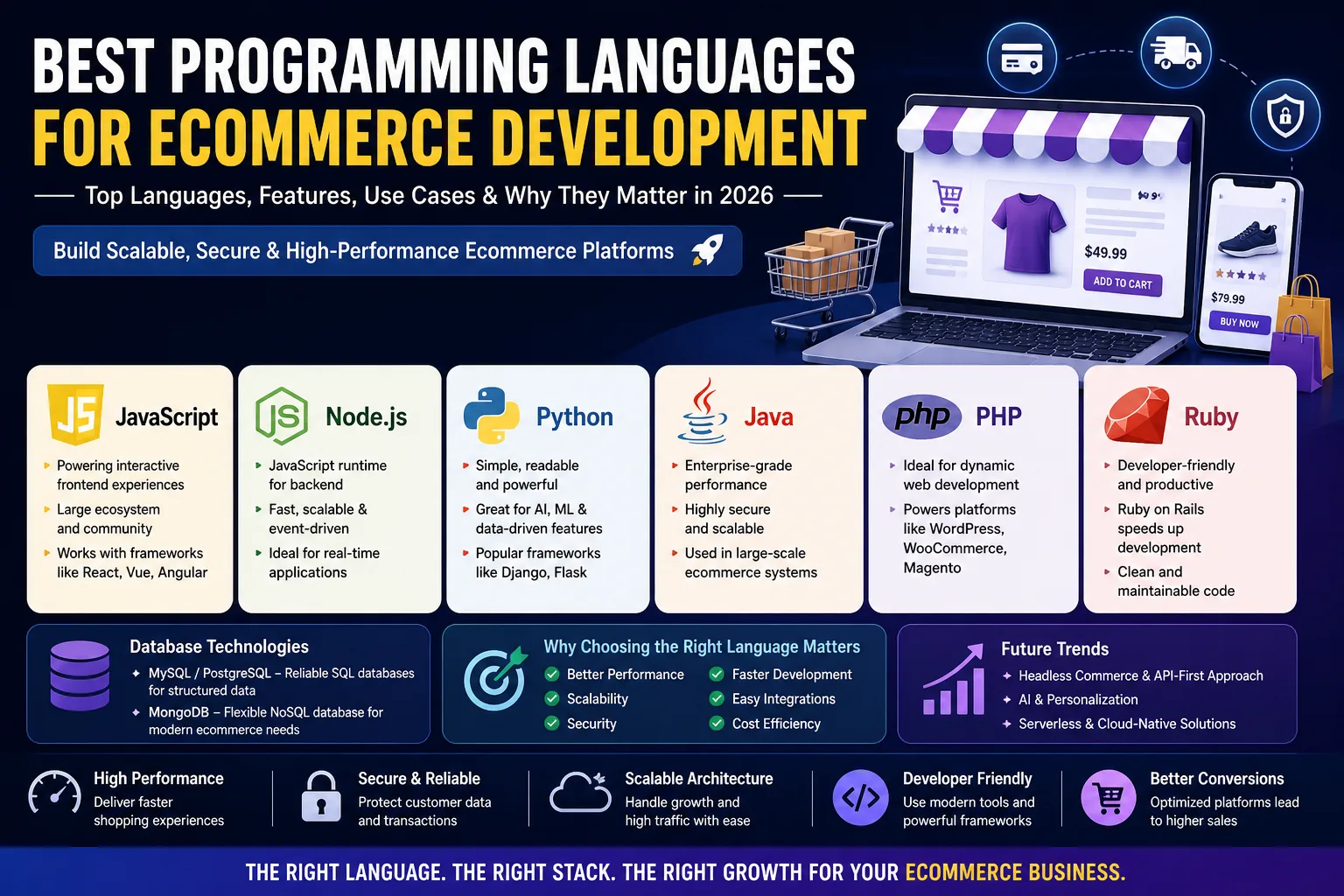
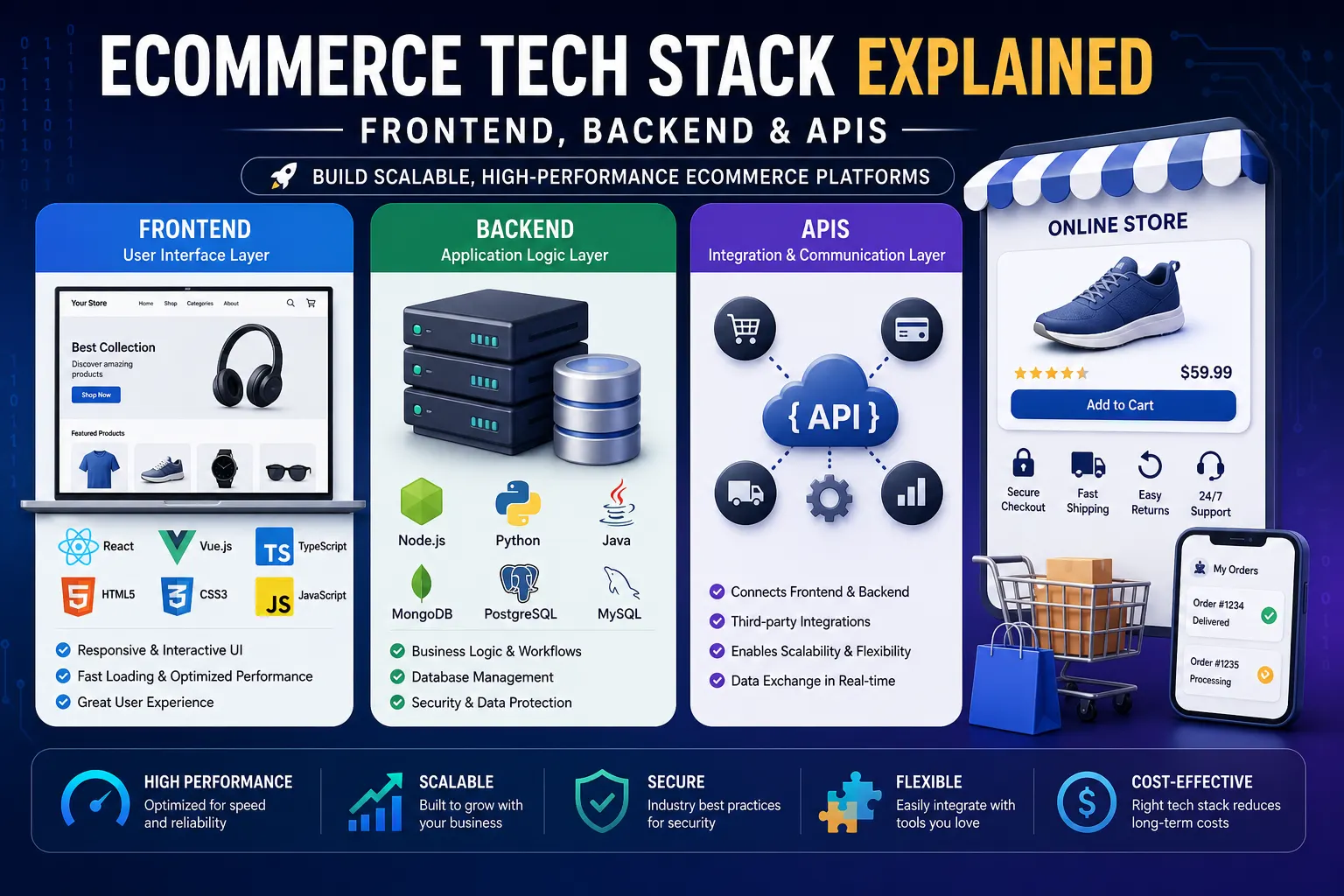
The technology stack you choose will have a significant impact on your platform’s performance and scalability.
Frontend Technologies
Modern frontend frameworks provide flexibility and performance:
- React
- Next.js
- Vue
These frameworks enable fast rendering and dynamic user interfaces.
Backend Technologies
Backend technologies handle business logic:
- Node.js for scalability and performance
- Python for flexibility
- Java for enterprise-level systems
Database Selection
Choosing the right database is crucial:
- SQL databases for structured data
- NoSQL databases for flexibility
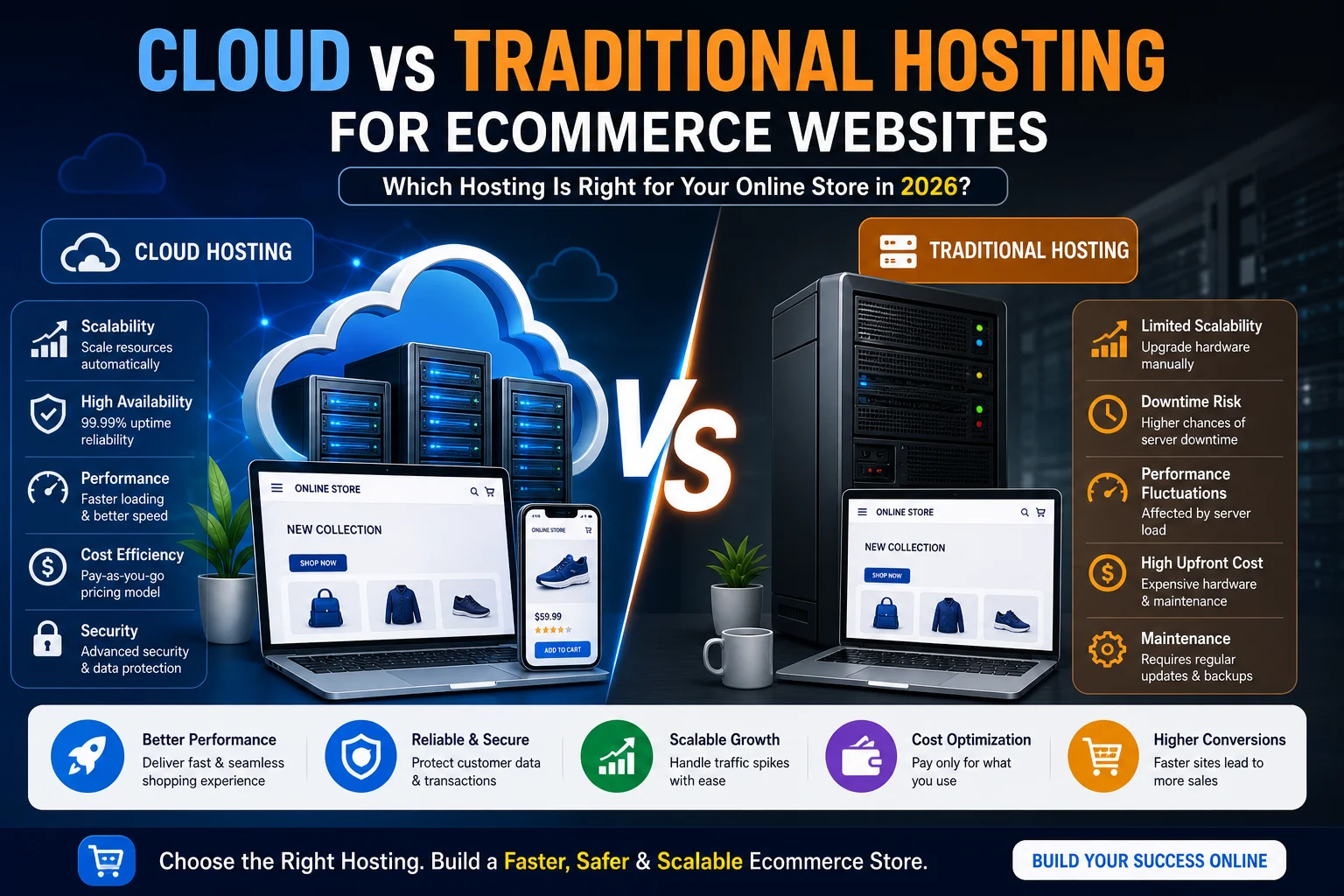
Cloud Infrastructure
Cloud platforms provide scalability:
- AWS
- Google Cloud
- Azure
🧩 Step 4: Building Core Ecommerce Features (Expanded)
Product Management System
The product management system is the backbone of your ecommerce platform.
It handles:
- Product listings
- Categories
- Variants
- Pricing
Shopping Cart System
The shopping cart allows users to add and manage products.
It should be:
- Fast
- Persistent
- User-friendly
Checkout System
The checkout process is critical for conversions.
It should be:
- Simple
- Secure
- Optimized
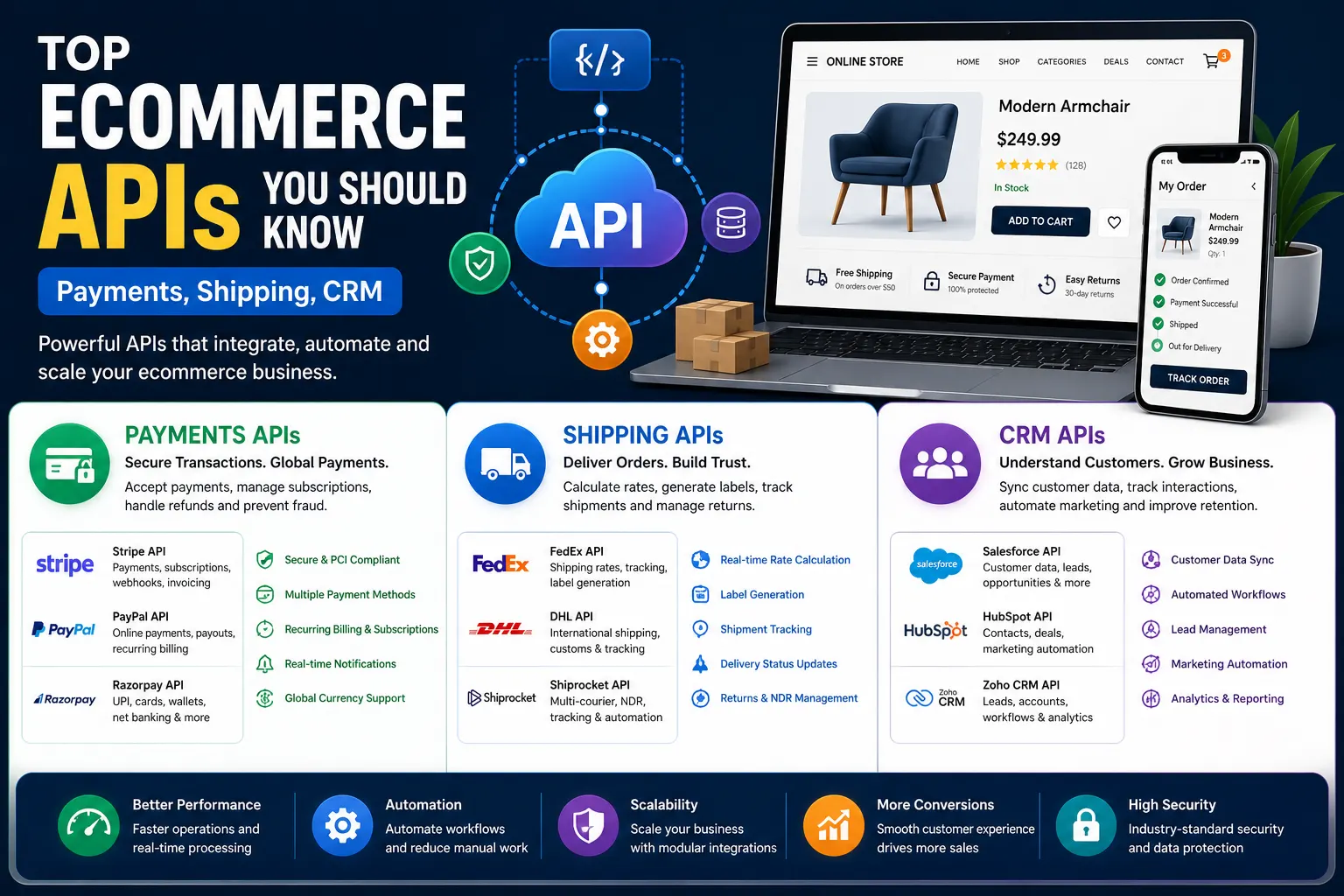
Payment Integration
Payment systems must support multiple methods and ensure security.
Order Management
Order management systems track orders from placement to delivery.
🔐 Step 5: Security Implementation (Deep Explanation)
Security is a critical aspect of ecommerce platforms.
Key Security Measures
- SSL encryption
- Secure authentication
- Data protection
⚡ Step 6: Performance Optimization (Advanced)
Techniques
- Caching
- CDN
- Load balancing
📱 Step 7: Mobile Optimization
Mobile traffic dominates ecommerce.
Mobile-First Design
- Responsive layouts
- Fast loading
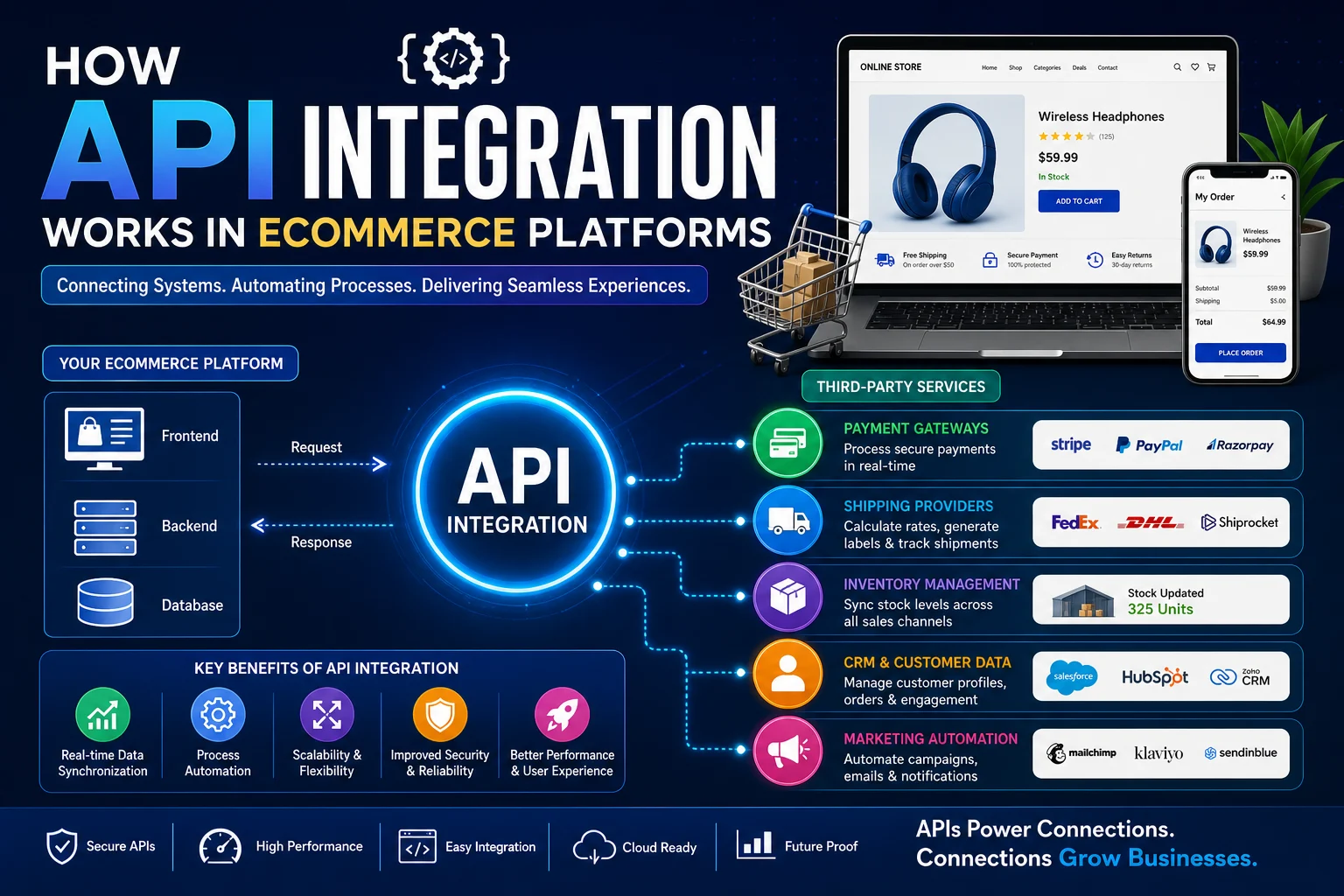
🔄 Step 8: API Integration (Detailed)
APIs connect different systems and enable automation.
📈 Step 9: Testing and Deployment
Testing Types
- Functional
- Performance
- Security
🚀 Step 10: Scaling Strategies (Deep)
Auto-Scaling
Automatically adjusts resources.
Database Optimization
Improves performance.
Microservices Scaling
Scale services independently.
🧠 Step 11: Monitoring and Maintenance
Continuous monitoring ensures performance.
🔮 Future Trends
- AI personalization
- Voice commerce
- AR shopping
🏁 Conclusion
Building a scalable ecommerce platform from scratch requires a deep understanding of architecture, technology, and user experience.
With the right approach, businesses can create platforms that:
- Handle growth
- Deliver excellent experiences
- Adapt to future trends
To build a scalable ecommerce platform with the right architecture, working with experts like Sri Hayavadhana Info Tech ensures your system is optimized for performance, scalability, and long-term success.