Blog
🧠 MACH Architecture in Ecommerce: Complete Guide for Businesses (2026 Ultimate Edition)

📘 Introduction: The Shift Toward Modern Ecommerce Architecture
Ecommerce has entered a new era. What once began as simple online storefronts has transformed into a highly dynamic and interconnected digital ecosystem. Businesses today are no longer competing solely on price or product availability; they are competing on experience, speed, personalization, and scalability.
Customers now expect:
- Lightning-fast website performance
- Seamless interactions across devices
- Personalized shopping journeys
- Consistent experiences across channels
To meet these expectations, businesses need more than just a basic ecommerce platform—they need a robust and flexible architecture that can adapt to changing demands.
Traditional ecommerce systems, built on monolithic architectures, were designed for a different era. While they offered convenience and simplicity, they are increasingly becoming bottlenecks for innovation.
This has led to the rise of MACH architecture, a modern approach that empowers businesses to build scalable, flexible, and future-ready ecommerce systems.
🔍 What is MACH Architecture? (In-Depth Understanding)
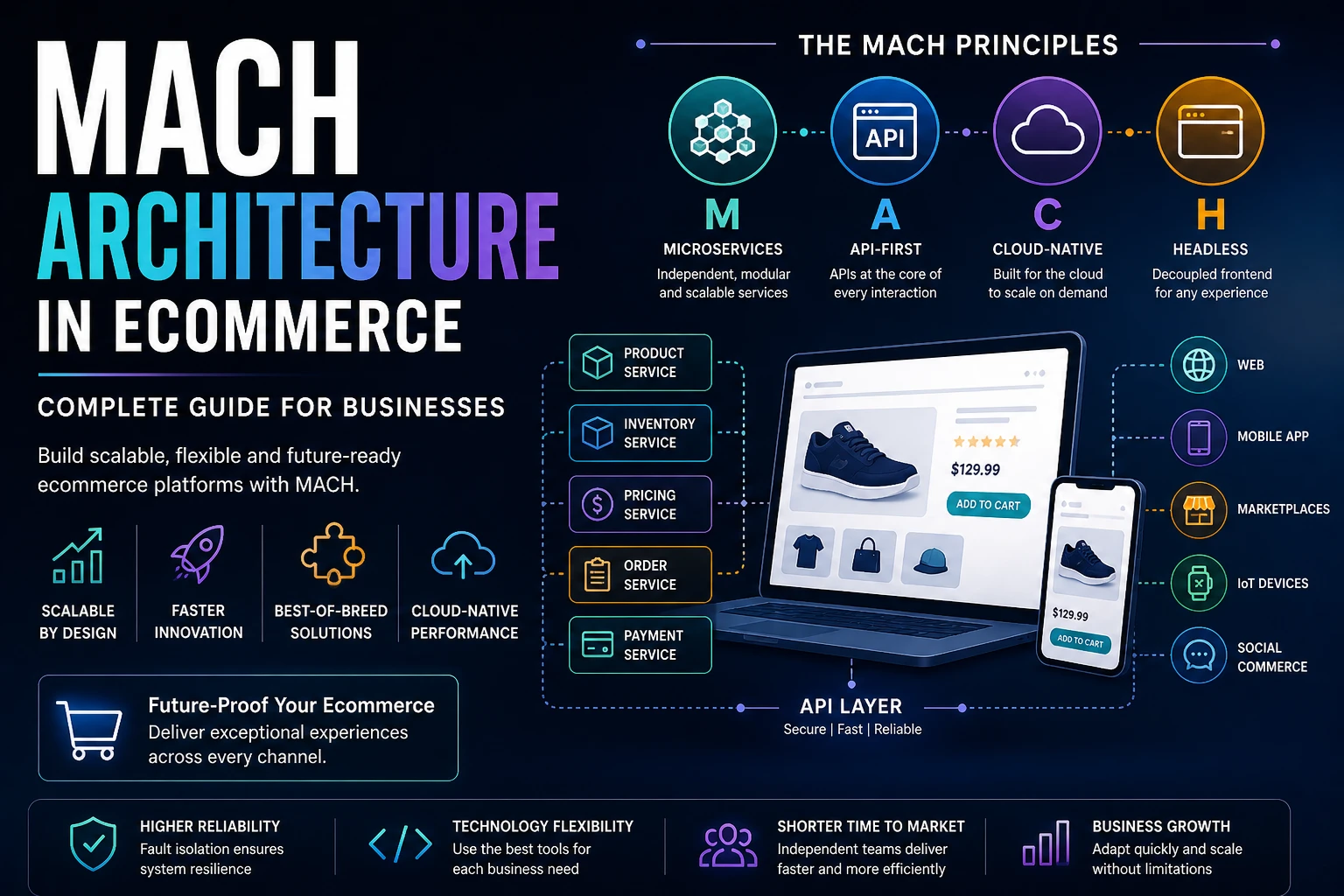
MACH architecture is a set of guiding principles that define how modern digital systems should be built. It is not a product or a platform but a methodology for designing software systems.
MACH stands for:
- Microservices
- API-first
- Cloud-native
- Headless
Each of these components plays a crucial role in creating a modular and scalable system.
Understanding MACH Beyond the Acronym
At its core, MACH represents a shift from monolithic, tightly coupled systems to modular, loosely coupled architectures.
In a monolithic system:
- All components are interconnected
- Changes in one part affect the entire system
- Scaling is difficult
- Innovation is slow
In a MACH system:
- Each component operates independently
- Services communicate via APIs
- Systems can scale individually
- Innovation happens faster
This approach allows businesses to build ecommerce platforms that are agile, resilient, and future-proof.
🧱 Microservices (M) – The Foundation of MACH
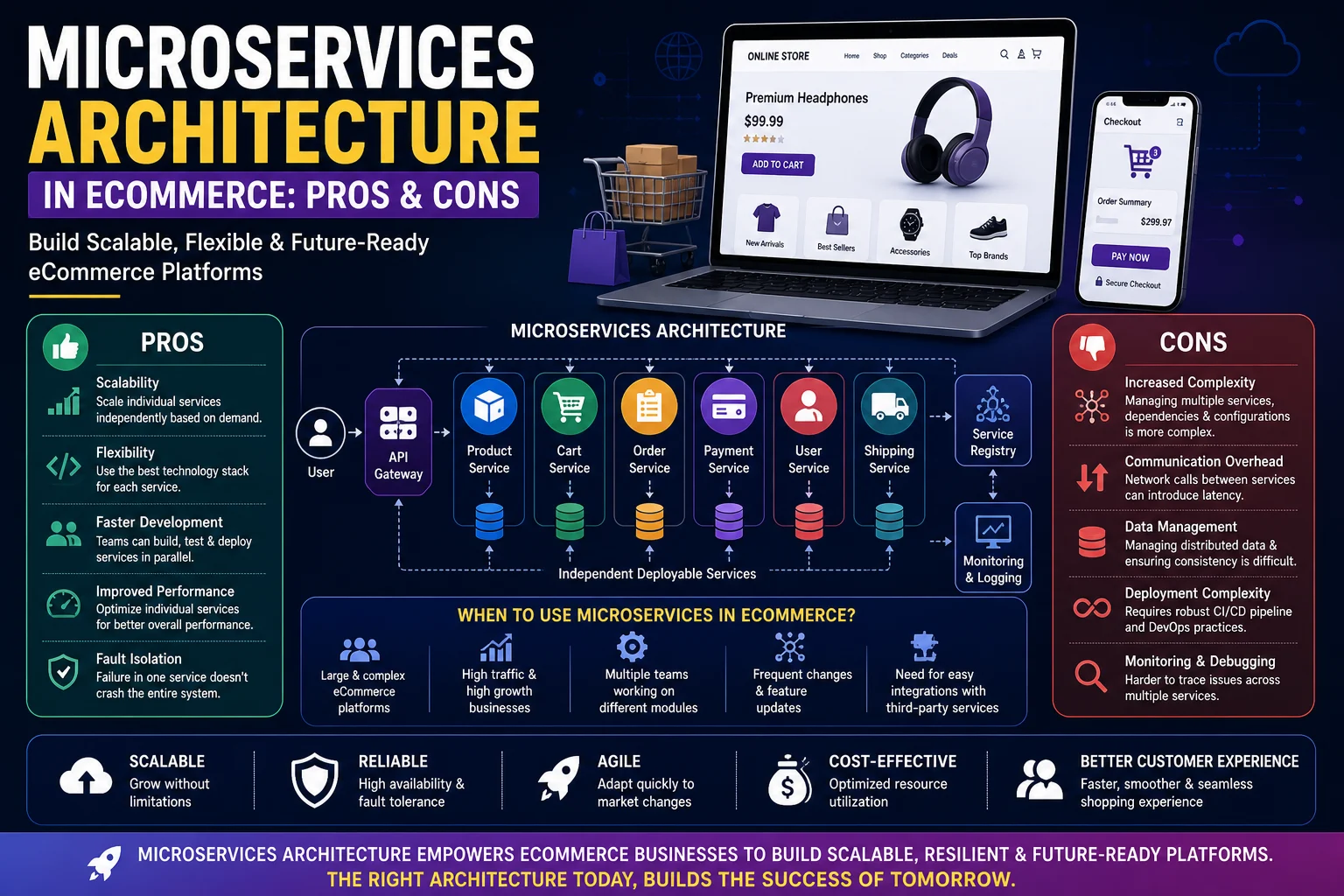
Microservices are the backbone of MACH architecture. Instead of building a single, large application, microservices break the system into smaller, independent services.
Each microservice is responsible for a specific function, such as:
- Product catalog management
- Inventory tracking
- Order processing
- Payment handling
How Microservices Work
In a microservices architecture, each service:
- Has its own database
- Operates independently
- Can be developed and deployed separately
For example, if a business wants to update its payment system, it can modify the payment microservice without affecting other parts of the system.
Benefits of Microservices
1. Independent Development
Teams can work on different services simultaneously, reducing development time.
2. Fault Isolation
If one service fails, it does not affect the entire system.
3. Scalability
Each service can be scaled independently based on demand.
4. Technology Flexibility
Different services can use different technologies.
🔗 API-First (A) – The Communication Backbone
APIs are the glue that holds MACH architecture together.
API-first means that APIs are designed before the application itself. This ensures that all services can communicate effectively.
Why API-First Matters
In a MACH system:
- Frontend communicates with backend via APIs
- Microservices interact through APIs
- Third-party integrations rely on APIs
This ensures seamless communication across the system.
Real Example
When a user adds a product to the cart:
- Frontend sends API request
- Cart service processes it
- Inventory service updates stock
- Pricing service calculates total
All interactions happen through APIs.
☁️ Cloud-Native (C) – Powering Scalability
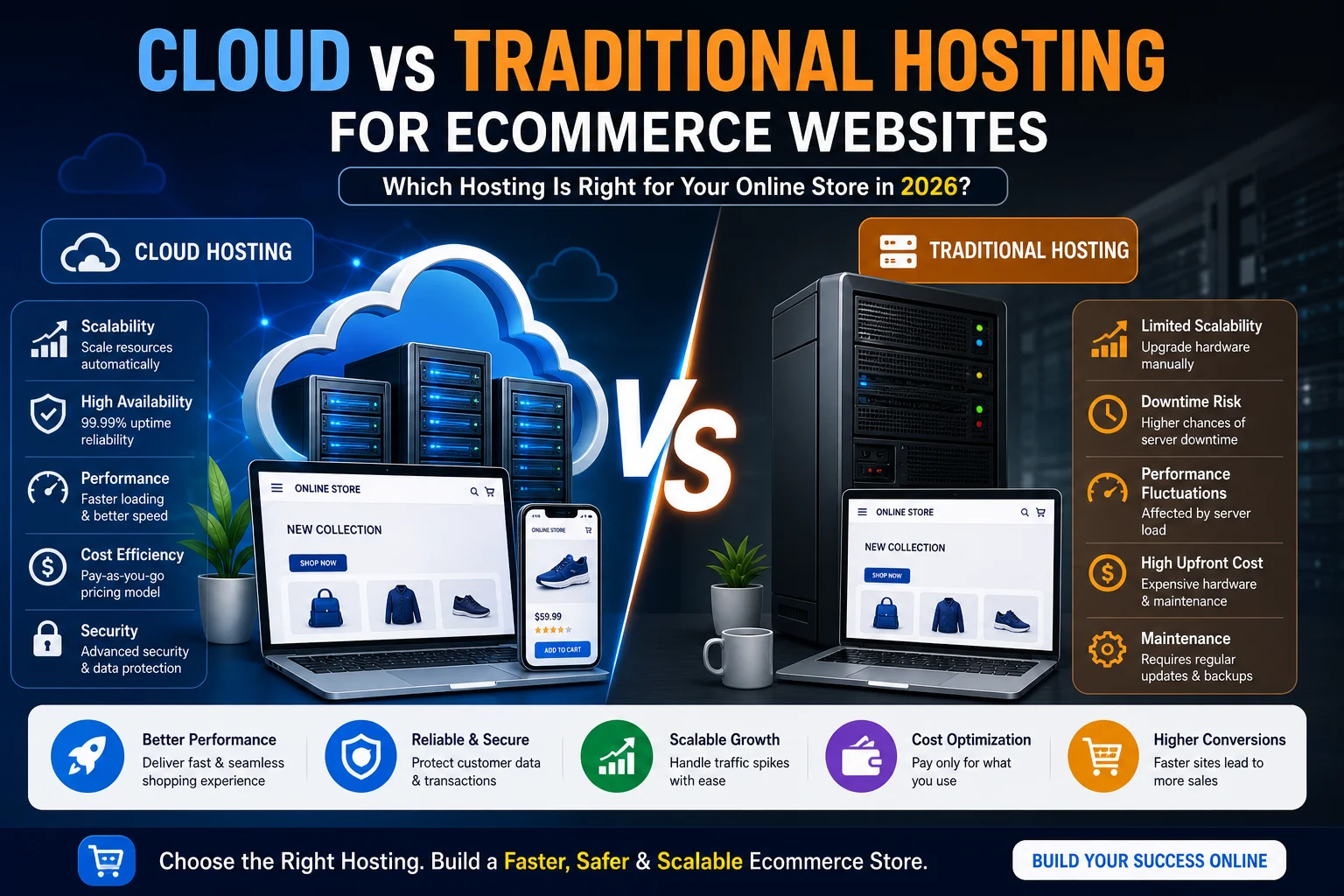
Cloud-native systems are built specifically to run in cloud environments.
Key Features
- Auto-scaling
- High availability
- Global deployment
- Cost efficiency
Why Cloud is Essential for MACH
Cloud-native infrastructure allows businesses to:
- Handle traffic spikes
- Scale resources instantly
- Reduce downtime
🧠 Headless (H) – Separating Experience from Logic
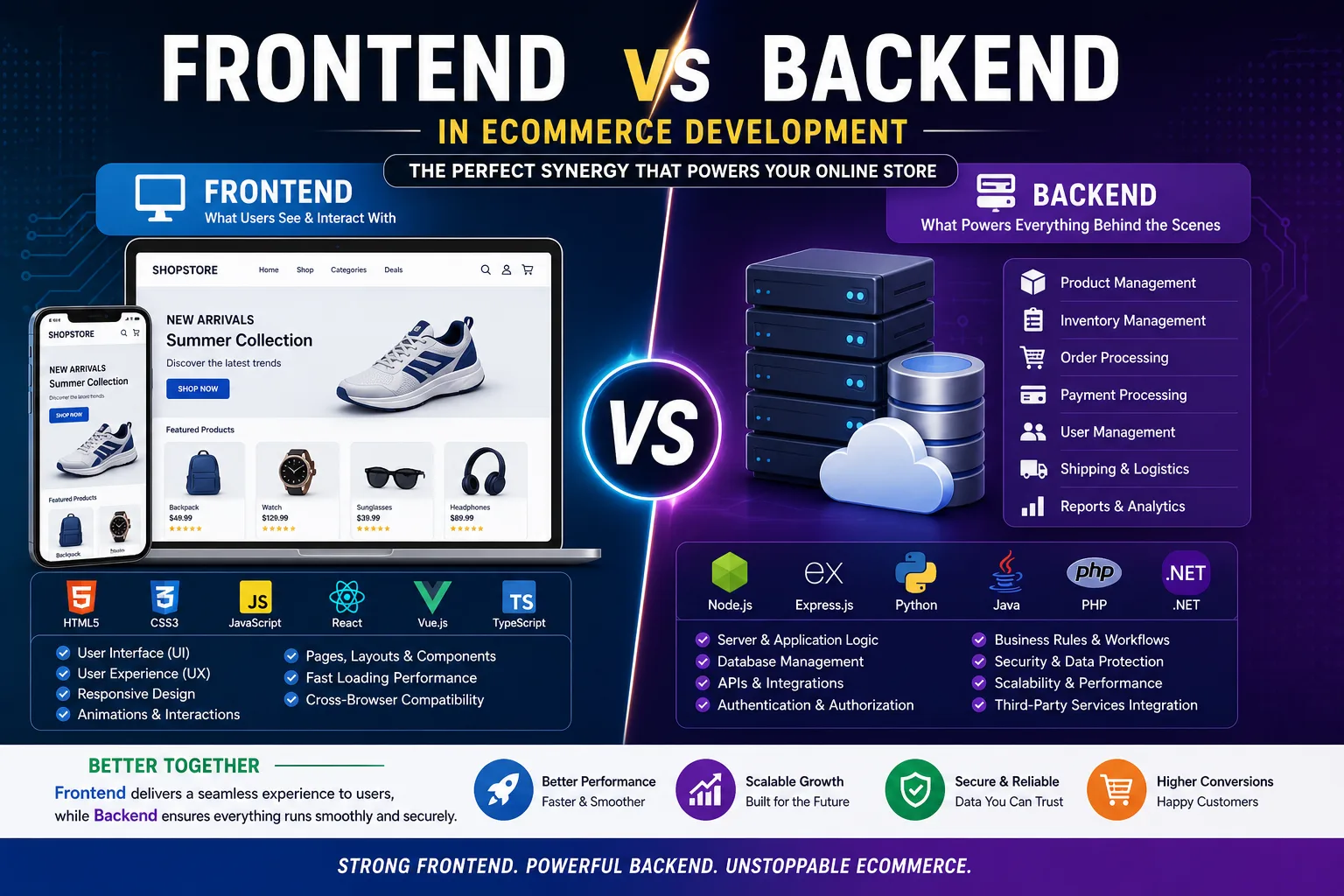
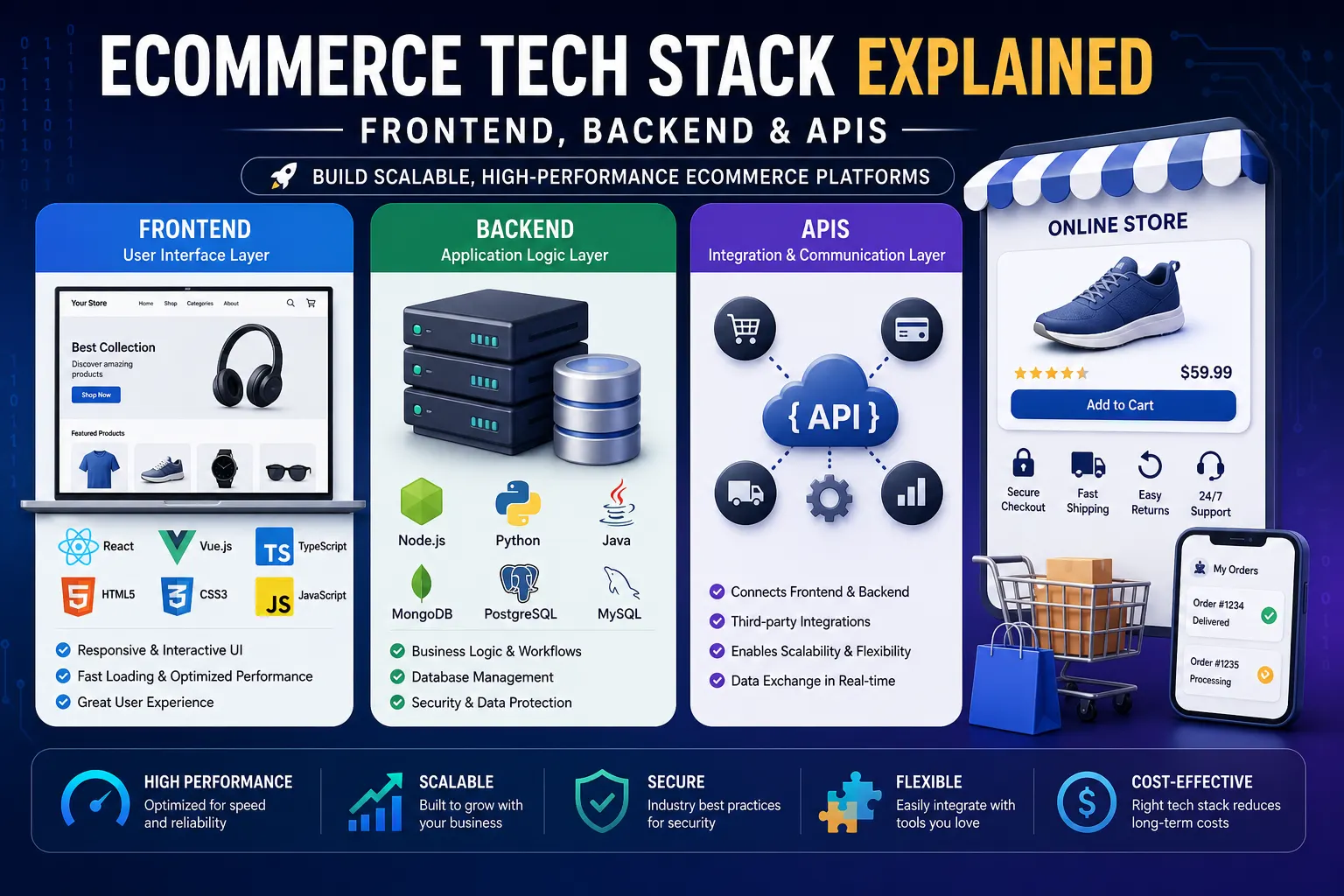
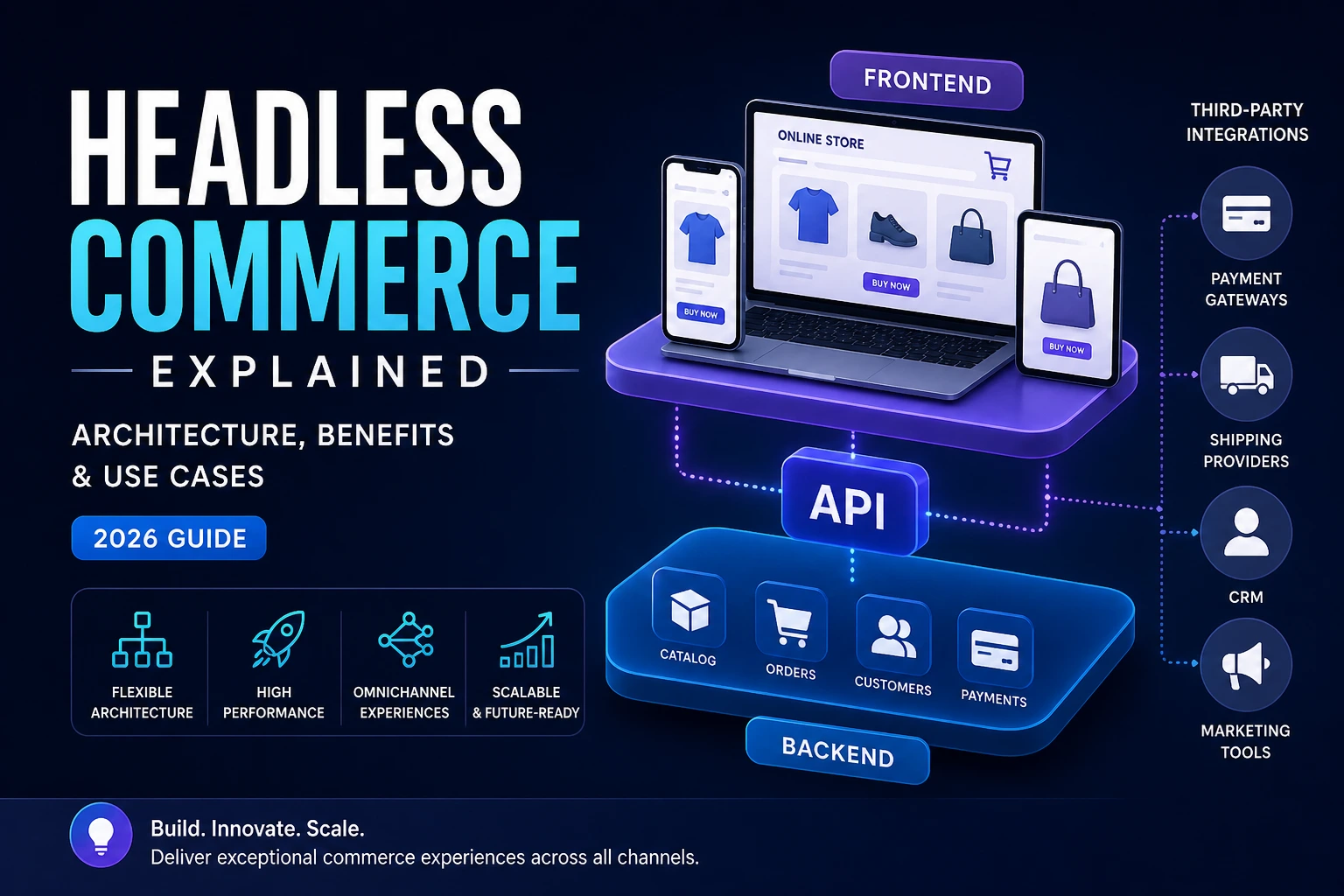
Headless architecture decouples the frontend from the backend.
How It Works
- Frontend handles UI/UX
- Backend handles logic
- APIs connect both
Advantages
- Custom UI design
- Faster performance
- Multi-channel delivery
⚙️ How MACH Architecture Works in Ecommerce
MACH transforms ecommerce into a modular system where each component operates independently.
Example Customer Journey
When a customer visits an ecommerce site:
- Frontend loads UI
- API fetches product data
- Product service returns information
- Inventory service checks availability
- Pricing service calculates discounts
- Payment service processes transaction
- Order service confirms purchase
Each step is handled by a separate microservice.
🚀 Benefits of MACH Architecture (Deep Analysis)
1. Unmatched Flexibility
Businesses can choose the best tools for each function.
2. Scalability
Systems can handle millions of users without performance issues.
3. Faster Innovation
New features can be added without disrupting existing systems.
4. Better Performance
Optimized services improve speed and efficiency.
5. Omnichannel Capabilities
Deliver consistent experiences across all platforms.
⚠️ Challenges of MACH Architecture (Detailed)
1. Technical Complexity
Requires skilled developers and architects.
2. Integration Challenges
Managing multiple APIs can be complex.
3. Higher Initial Cost
Initial setup requires investment.
4. Maintenance Overhead
Multiple services require monitoring.
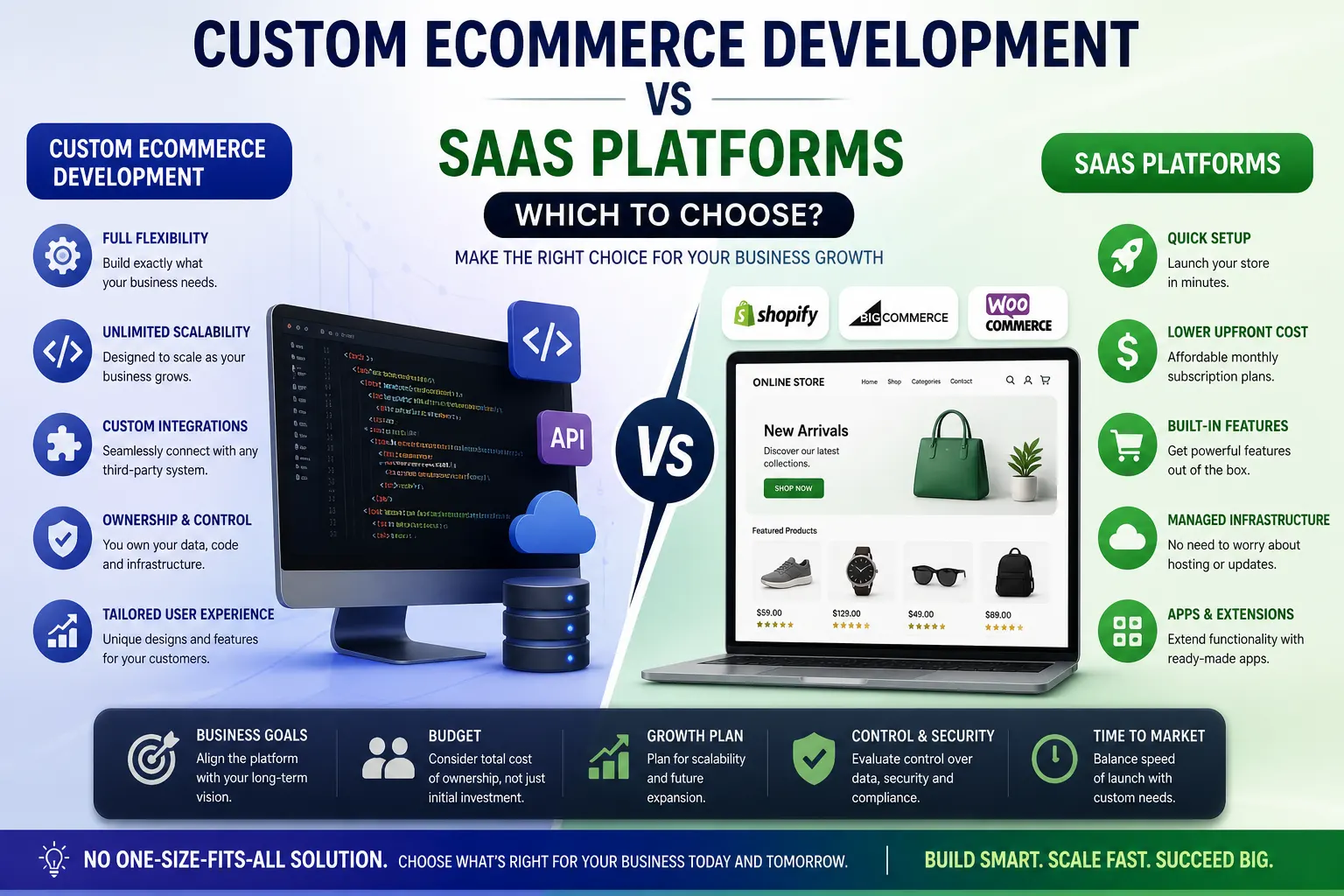
🧩 MACH vs Monolithic Architecture (Deep Comparison)
Monolithic Systems
- Single codebase
- Tight coupling
- Limited scalability
MACH Systems
- Modular architecture
- Independent services
- High scalability
🧠 Use Cases of MACH Architecture
1. Enterprise Ecommerce
Large businesses benefit from scalability.
2. Global Brands
Supports multi-region operations.
3. Omnichannel Retail
Consistent experience across channels.
4. B2B Ecommerce
Handles complex workflows.
🔐 Security in MACH Architecture
- API authentication
- Encryption
- Access control
📈 Future of MACH Architecture
MACH is becoming the standard for modern ecommerce.
🏁 Conclusion
MACH architecture represents a revolutionary approach to ecommerce development. By combining microservices, APIs, cloud infrastructure, and headless architecture, businesses can build flexible, scalable, and high-performance systems.
To implement MACH architecture effectively, partnering with experts like Sri Hayavadhana Info Tech ensures your ecommerce platform is designed for scalability, performance, and long-term growth.